San Diego

San Diego is the birthplace of California and sits just 20 minutes from the border with Mexico. Mild weather, sunshine, and 70 miles of coastline help justify the nickname “America’s Finest City.” Travelers come to San Diego for world famous tourist attractions such as the San Diego Zoo and the beaches, but there’s more to the city beyond the Gaslamp and Pacific Beach. In San Diego’s culturally diverse neighborhoods, you’ll find unique restaurants, breweries, art galleries, and locally owned boutiques. San Diego is built atop undeveloped canyons giving the city’s neighborhoods distinctive boundaries and interspersing the city with open space. The canyons also mean that attractions are a bit spread out.

original-san-diego-banner-crop-2019.jpg

Photo Courtesy of Ganapathy Kumar

Overview

When’s the best time to go to San Diego?

During the months of May and June, known as “May Gray” and “June Gloom,” the sun remains hidden much of the day behind a thin veil of high fog. The hottest months, with temps in the eighties, are August, September, and October, when hillsides are golden-brown. A little rain falls during winter, which is the best time to view the natural landscape at its greenest. The combination of ocean, coastal canyons, and mountains to the east creates a variety of microclimates. A 10-degree temperature difference can occur within as little as 15 miles.

Can’t miss things to do in San Diego

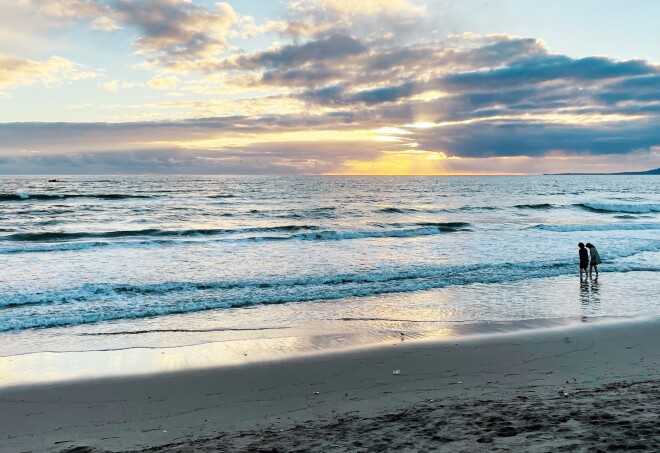
Definitely check out Sunset Cliffs Natural Park in Point Loma. See the crystal waters from the sandstone bluffs. You might feel like you’re in some other country—a beautiful one, for sure.

Food and drink to try in San Diego

The border location plus the influx of Asian immigrants over the centuries means San Diego specializes in Mexican and Asian cuisines. The locavore movement is growing, and many restaurants have been developing relationships with farms just outside the city. You’ll find chef-owned fine-dining establishments, hole-in-the-wall destinations, and dozens of food trucks.

Culture in San Diego

San Diego’s climate and location on the West Coast draw people from all over the world. A variety of cultures are reflected in the shops and restaurants around the city. Each neighborhood has its own feel and style. If you love architecture and hidden treasures, plan to park your car, get out, and walk around!

FESTA!, in Little Italy, is the largest Italian festival on the West Coast. Balboa Park December Nights is a Christmas-themed festival that draws over 350,000 visitors. Restaurant Week happens twice a year—a time to eat gourmet at a great price from more than 170 participating restaurants. The San Diego LGBT Pride fest in Hillcrest draws over 200,000 participants. San Diegans love their festivals, and something is usually happening every month of the year. At these lively events, the trolley offers an easy transportation alternative to parking a car.

Local travel tips for San Diego

- The best time of year is September and October, when the ocean is warm enough for most swimmers to get in the water without a wetsuit, and the hordes of tourists have left.
- Winter is considered “off-season,” so you can get lower hotel rates and still enjoy great weather.
- No matter the time of year, dressing in layers is recommended, as the temperature can change in short distances due to microclimates.
- San Diego’s weather is dry, so carrying water with you is essential!
- The neighborhoods of La Jolla, Ocean Beach, and Pacific Beach have only one main road leading in and out. Avoid visiting around the morning and evening rush hours or you may get caught in a traffic bottleneck.

How to get around San Diego

The San Diego International Airport, formerly known as Lindbergh Field, sits right in the heart of San Diego. Flying in can be a real thrill as the plane passes low over Balboa Park and between buildings.

The San Diego freeway system is laid out in a grid, making it easy to get around by car anywhere in the 372 square miles of city. The trolley is a great choice if you are staying in downtown San Diego, as it stops at many destinations of interest. A machine at each trolley stop accepts cash or credit. Another option is to rent an electric smart car from Car2Go (register in advance, as it takes about five business days to get your membership card). Use the card to activate any Car2Go smart car, and when you’re done, just leave it parked in any legal parking space in the city. To get to the various towns along the coast in San Diego County, or farther north, hop aboard the Amtrak Pacific Surfliner.

READ BEFORE YOU GO
From desert blooms in Death Valley to coastal florals in the Channel Islands and popular poppies in the Sierra foothills, here’s where to find California’s wildflowers.
HOTELS
Live like a local in San Diego by basing your stay at one of the city’s top neighborhood Airbnbs.
RESOURCES TO HELP PLAN YOUR TRIP
Journeys: United States
From Santa Barbara to San Diego, we’ve narrowed down hundreds of miles to 10 magnificent beaches for your next sunny getaway.
Journeys: United States
San Diego’s first food hall is housed in the city’s former naval training center, a 361-acre site in Point Loma that now features a lively business district with wide lawns, a waterfront park, and historic Spanish Revival–style buildings. Here, vendors serve everything from coconut-curry chicken sausages to ahi tuna poke bowls, providing the makings of a casual lunch or dinner. Take your food to the patio, or sit inside at the high-top tables near the bar and enjoy the untouched murals that line the upper walls. Painted by naval recruits in the 1950s, they depict various vessels, from a late 18th-century sailing ship to a World War II aircraft carrier.
In a city with a taco shop on nearly every corner, Salud stands out for its Chicano-inspired food and decor: According to owner Ernie Becerra, the tacos served here are not traditionally Mexican. The signature Barrio is served on a tortilla made of flour instead of corn, and its filling (stewed beef topped with nopal, beans, and sour cream) is a take on a popular dish in Southern California’s Mexican community. In the dining room, a tattoo mural and a car hood mounted on the wall nod to the lowrider lifestyle Chicano kids grow up idealizing.
Fish tacos, craft beers, and endless sunshine, of course. But San Diego has raised its game even more for 2021.
Why we love it: A millennial-minded stay that looks great on Instagram

The Highlights:
- An affordable hotel in a prime location
- Playful but comfy design
- Fun spaces to meet fellow travelers

The Review:
The first California property from millennial-minded hotel brand Moxy, this Gaslamp Quarter hotel appeals directly to the Instagram-obsessed traveler. Everything here is designed for the perfect shot, from the neon sign in the entryway to the daily quotes scrawled in bright pink on the elevator mirrors. Guests check in either at the massive, square-shaped bar or the custom tricycle, at which point they receive a signature “Get Moxy #5” cocktail before being shown to one of 126 smartly designed rooms. Equipped with purposeful details like pegboards to hang clothing and beds framed by LED-lit platforms, rooms are small for two guests, but that’s kind of the point—at the Moxy, guests are encouraged to spend time in the hotel’s communal spaces instead.

With places like the lobby lounge and library to hang out, that’s not a hard directive to follow. A feast for the senses, the lobby blends industrial style (exposed electrical conduits, steel finishing, wood accents) with nautical details (camouflage wall coverings, porthole mirrors, a shipping container). An LED light fixture by Canadian-based Moment Factory hangs overhead, while the first San Diego mural by L.A.-based artist Paul Nandee decorates the lounge area, which also features pinball machines, Jenga, and other games to keep guests entertained. If you need a little alone time, head upstairs to the library, where you can read under a topographic map of San Diego Bay, or hit the gym, equipped with pink boxing gloves and candy (guests are asked not to take themselves too seriously during their stay). Come evening however, it’s time to hit Bar Moxy for local beers and handcrafted cocktails. Should you want to explore the city, there’s also a grab-and-go area, where you can pick up coffee, snacks, and drinks before heading out to Sixth Avenue.
Opulent is the word that may occur to you as you stroll into this split-level steakhouse. The art deco-inspired main dining room features oak pillars, camel-colored banquettes, and a jaw-dropping six-tiered brass and crystal chandelier. Upstairs, diners sit on a teak terrace with views of the San Diego skyline. A meal here often includes a show: Many dishes from caesar salad to Tournedos Rossini are prepared and served tableside from custom-made carts. The star of the menu is the Creekstone Farms Beef which has been dry-aged in a glass-enclosed meat locker for more than 25 days. Dry-aged duck and lamb, vegan tartares, and vegetable side dishes like leeks roasted over coals, or broccoli with salty bagna cauda round out the menu. Executive Chef Jason McCleod earned two Michelin stars working at Ria at the Elysian in Chicago. While Born & Raised is a high-end venue, the service is friendly and laid back with suit-clad servers sporting sneakers.
This charming bakery by the beach in La Jolla rivals the best bakeries in New York, San Francisco, and Los Angeles. Founder Crystal White, a former lead bread baker at San Francisco’s Tartine, sources the best ingredients from California, except the high-fat European style butter. Fruit from Chino Farms, organic flour from Central Milling in Petaluma, and organic milk from Clover Dairy in Sonoma are showcased in fruit-filled galettes, nutty multigrain loaves, and croissant flavors like the sweet and salty strawberry-pistachio, inspired in part by Parisian baker Pierre Hermé’s famed croissant Ispahan. The bright seating area is decorated with a cheerful mural and midcentury modern couches, but the most desirable seats are on the patio outside.
Like a nautical version of the yellow brick road, illuminated anchors embedded in the floors of Ironside Fish & Oyster lead you to the Emerald City of raw bars, where the bounteous platters come in Big, Bigger, Biggest, and Holy Sh*t. This last assortment might include, say, 24 oysters, 14 shrimp, 14 mussels, two pounds of lobster, two ounces of sustainable royal white sturgeon caviar, a portion of rockfish ceviche, and some kanpachi crudo for good measure (the mix changes daily according to what’s fresh). Not that lovers of cooked seafood will go hungry at chef Jason McLeod’s Little Italy hot spot, where the catch of the day is a perennial favorite. There’s even a small yet mighty vegetarian lineup (think charred broccolini with dried chilis, garlic, and parmesan; and Japanese sweet potato with scallion chimichurri and puffed quinoa). It’s all rounded out by an impressive bar, where 11 categories of whiskey are represented. While the menu occasionally diverges from the strictly seafaring, the decor never does. The interior design features prow figureheads turned lighting fixtures and artful stacks of steamer trunks.