Tahiti

Tahiti is the largest island in the Islands of Tahiti archipelago in the South Pacific, commonly known as French Polynesia. Whether snorkeling a turquoise lagoon or surfing a black-sand beach, hiking to a waterfall or just to your hammock, or marveling at the colors of Papeete Market or at the agility of traditional dancers, it offers a mix of culture, adventure, and indulgence. Lodging is more affordable in Tahiti than on her sister islands, and you won’t need to arrange onward transport. But just because the island is convenient—an eight-hour direct flight from L.A.—doesn’t make it any less alluring as a destination itself.

Houses above the water with a large rocky mountain in the distance
Overview

When’s the best time to go to Tahiti?

Tahiti is really a year-round destination. If you had to choose, the absolute ideal months to visit are during the May to October “dry season,” when the weather is slightly cooler and there is less rain. That said, traveling between November and March can offer better rates. Although technically the “wet season,” the weather is usually still good: You will likely get periods of rain, but also plenty of blue sky. Expect higher humidity, though.

How to get around Tahiti

Faaa is the only international airport among the Islands of Tahiti. It is located on Tahiti itself, just a few miles west of the capital city, Papeete. Flight time from Los Angeles is only eight hours and the islands are in the same time zone as Hawaii, meaning there’s only two or three hours difference (depending on time of year) with the U.S. West Coast. (This makes jetlag much less of an issue than traveling somewhere like Fiji, where you will cross the international dateline.) Once on the ground, it is very easy to circle the island by rental car—there is just one main road and it hugs the coastline. Note there are no formal street addresses in Tahiti. Instead, locations are identified by PK (points kilometriques), which represent the distance in kilometers from Papeete cathedral.

Can’t miss things to do in Tahiti

- Tahiti underwater is sublime, so make sure to go snorkeling or diving.
- Try surfing, too—it was invented in Polynesia, possibly in Tahiti.
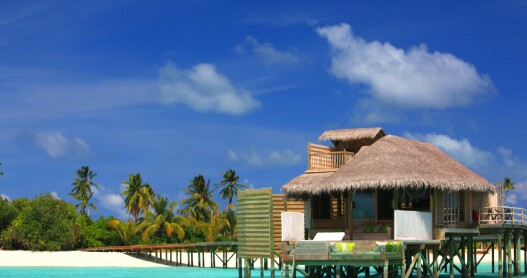
- If you’re by the beach, stay at least a couple of nights in an overwater bungalow if you can.
- Away from the sea, catch a Tahitian dance performance at a luxury hotel—it’s mesmerizing.

Food and drink to try in Tahiti

Fresh fish and seafood is a staple in Polynesia. The national dish is poisson cru, freshly caught raw fish (usually tuna) with diced vegetables marinated in lime and soaked in coconut milk. It is absolutely delicious and can be served with rice. Chevrettes are another popular Tahitian delicacy. These are freshwater shrimp often grilled or cooked in a French-influenced butter sauce.

Culture in Tahiti

Music and dance have long been an integral part of Tahitian life, and today learning the traditional dances is as popular with locals as tourists, who fill the many schools in Papeete. There are four main styles of dance in French Polynesia, and many hotels offer performances with dinner at least once a week. But to really experience the best of Tahitian dance, visit during Heiva I Tahiti: a major festival of traditional Polynesian culture that takes place for a week each July in Papeete and includes music, dancing, singing, and sports. Another large and important festival is the Billabong Tahiti Pro Surfing Tournament, which is an international, professional-level surfing contest held at Teahupo’o in Tahiti Iti over three days each May.

For Families

Tahiti is a great destination for families, especially if traveling from the West Coast. With the island just an easy eight-hour direct flight from Los Angeles and on the same time zone as Hawaii, it doesn’t take little ones long to adjust. Many resorts have kids clubs and are specifically geared towards families. And with adventures from snorkeling to waterfall hikes, there is plenty to do.

Local travel tips for Tahiti

Stay in a family-owned pension or Tahitian B&B to truly experience Tahitian life and culture. Spend your morning fishing with the locals, then take your fresh catch to the nearest motu (like a kind of mini island) for a picnic to remember.

Nearly every activity can be booked through your hotel, pension, or guesthouse upon arrival.

The tattoo art form was invented in Polynesia (or, at least, that’s where Europeans first enountered it), and today many Polynesians sport beautiful works of art as symbols of their personal identities.

Guide Editor

READ BEFORE YOU GO
HOTELS
The world’s best beach resorts put cultural and environmental preservation front and center.
While a stay in the famously lavish resorts of Tahiti and Bora Bora may be a dream vacation for many, the local guesthouses offer travelers a deeper look into Polynesian culture and life.
RESOURCES TO HELP PLAN YOUR TRIP
Popular with honeymooners and families alike, this large coastal property is located on Moorea, a quiet, lush island known for its beautiful mountain scenery and ample hiking opportunities. The hotel sits right on the lagoon and offers garden rooms and bungalows, many with their own private plunge pools, as well as fabulous overwater bungalows with glass floor panels in the living rooms and private decks with direct stair access to the warm waters below. Free kayaks, stand-up paddleboards, and snorkeling gear are available for those who want to explore their aquatic surroundings, though there’s plenty to do back on shore—from lazing on the white-sand beach (or in a hammock) to getting a massage with traditional Tahitian monoi (gardenia) oil. One of the highlights of a stay here is the chance to visit the hotel’s overwater bar, allegedly the only one in the country, where tiny sharks congregate every evening at sundown for feedings.
If you’re visiting Tahiti with a large family or group of friends and hoping to surf the island’s most powerful wave, you’d be hard-pressed to find a better, more affordable place to stay than Green Room Villa. The 1,500-square-foot, four-bedroom property—the only vacation rental in the sleepy surfing village of Teahupo’o—practically opens up to the water and offers a unique place to rest your head. The main house is shaped like an octagon, with a huge mangosteen tree growing out of the open center, plus a large covered deck, teak flooring, and brightly painted walls that show off the owner’s creativity. The property even works well for a small destination wedding, as there’s a “honeymoon bungalow” near the fruit tree garden. Built on stilts, it sits over a purple-hued, lily-filled pond. It’s also the only room with air conditioning, although breezes keep the main house relatively cool. On a very local part of the island, Green Room Villa is extremely private, providing a relaxed place for your group getaway. Note: the owners require a credit card damage deposit and a three-night minimum stay.
Comprised of African themed luxury safari tents right on the beach on Huahine Nui, this is a very unique boutique option that is still affordable. The tents are fabulous, featuring high ceilings, wooden floors, creative artwork and large beds with fluffy duvets. There is a funky, gnarled wood self-catering kitchen, and free snorkel gear -- you’ll find excellent snorkeling in the lagoon in front of the white sandy beach that the tents are situation on -- as well as kayaks and bicycles.
Located on the beautiful white sand beach motu, this is Maupiti’s swankiest pension with spacious bungalows decked out with modern conveniences like air-con and televisions (rare for Maupiti still). The location, on a small strip of beach, offers blue-green lagoon vistas amid rows of swaying palms -- the water is very shallow here so swimming isn’t so great, but hop in a house kayak and take yourself to deeper waters. Airport transfers, kayaks and snorkels are free. Also opt for the full-board option as the owner is an excellent cook, specializing in French meets island dishes including excellent fresh seafood.
This oval-shaped atoll in the Tuamotu island group strung across the South Pacific Ocean some 300 kilometers from Tahiti is covered in pink and China white sand and surrounded by a jaw-droppingly beautiful turquoise, jade, and cerulean hued lagoon and is considered to have the best beaches in all of French Polynesia. Most are empty – it has a Robinson Crusoe vibe and still remains mostly undeveloped.

Beyond the sand you’ll find excellent snorkeling and even surfing in spots where the reef breaks. For scuba you’ll want to head to the magnificent Tuheiva Pass, where you’ll likely encounter sharks and manta rays. Lagoon excursions are also popular, and allow you to snorkel in the out-of-this world hued waters.

The Tikehau Pearl Beach Resort is the most exclusive place to sleep on the island, but there are also a number of excellent small family-run guesthouses right on the beach for those wanting to experience its “paradise lost” ambiance at more affordable rates.

Air Tahiti flies to Tikehau from Tahiti daily.
Rurutu, located in the remote Austral Archipelago, is a magical land of migrating whales, abundant vegetation, limestone caves, and smiling faces. Accessed via Air Tahiti flights from Papeete five times per week, the car-free island is like no place else in French Polynesia. Comprised of a massive chunk of coral that was lifted up to form it, Rurutu has otherworldly topography – think sheer cliffs of pocked coral and giant caverns filled with ferns and stalactites. It is home to unique coral snorkeling, white-sand beaches, sacred marae, and fabulous biking (the island is very hilly). A continuous reef rings Rurutu (so there’s no lagoon), but despite the open ocean fronting it there are more beaches on Rurutu than most French Polynesia islands. The sand is also a bright white here and made from ground, bleached coral. Besides lounging on the beach, you can look for whales along the shores from roadside observation stations between July and October. Note, unlike the rest of French Polynesia, the Australs get really chilly between May and November and are best avoided during this time. From December to April you’ll find warmer temps, but it still isn’t hot enough for air-conditioning most of the year.
Welcome to the vagina island, no joke (the rough English translation of the word Huahine is vagina). And although no one knows exactly where the name originated, historians think it has to do with the important role women played in the island’s history. Comprised of two islands – the more developed Huahine Nui (Big Huahine) to the north, and Huahine Iti (Little Huahine) to the south – there isn’t a lot to do here, but the unpretentious and relatively sleepy vibe appeals to budget travelers and surfers, as Huahine has some of the cheapest beds and best breaks in all of French Polynesia. It is also home to untouched beaches, isolated coves, enchanted azure lagoons and the most extensive complex of pre-European marae in French Polynesia. It also has a noticeable lack of luxury resorts, making it still feel like a Robinson Crusoe style getaway. Some of the most consistent and best surf in French Polynesia is found off Huahine’s shores, but local surfers can be very possessive, so make sure you check with them before hitting up their turn. This is also not the place for novices, as the left and right reef breaks can chew you up pretty badly. Huahine is also home to some great dive spots, including a canyon where you can see barracuda, jackfish, rays and sharks. For snorkeling head to Fare, which has a pretty sand beach just north of town and a wide, translucent lagoon that drops off quickly for excellent snorkeling around coral and through schools of multi-hued fish.
You can swim to your overwater bungalow through a magical turquoise lagoon filled with colorful tropical fish when staying at the Sofitel Kia Ora Moorea Beach Resort. The lagoon here is clearer and more turquoise than anywhere else on the island, and free of jet skis and other watercraft, allowing underwater life to flourish untouched.


This is also one of the Islands of Tahiti‘s most affordable overwater bungalow options, made even more accessible by the fact that Moorea is easily reached via high-speed catamaran from Papeete in Tahiti, where international flights land. Moorea’s natural beauty is emphasized at this understated resort where the traditional thatched-roof bungalows have a Polynesia style with modern decor, like extremely comfortable beds and stone tile rain showers in the bathrooms.


Although a decently large resort, with more than 100 bungalows, the best are the overwater digs, which have glass panels for viewing fish and direct access into the lagoon from a ladder into the crystal-clear water off the private terrace (if you’ve seen the Real Housewives of Orange County, this is the resort the women stayed at on their trip to Tahiti and Moorea). The resort has three distinct restaurants and bars that convey the spice of Tahitian life.


Taking center stage is internationally themed “Pure”, which focuses on fresh seasonable produce. Tailor-made for romance, “K” is an intimate gourmet restaurant option, showcasing the freshest local produce in elegant and refined settings. While the “Vue” cocktail bar offers an idyllic venue to relax and enjoy a leisurely drink with a ‘view’ of the lagoon. There’s also a branded Bollinger champagne bar on the pier, and an infinity swimming pool and spa with wonderfully blissful treatment options.
Maupiti, the smallest and most isolated of the Society Islands, feels like an unblemished tropical playground, where tranquility trumps everything else and romantic love stories of deserted sparkling white-sand beaches surrounded by shimmering aqua lagoons are realized. The best beaches are on the five motus, or small sandbars that also house pensions, ringing the main island. Of the five motus, Motu Tiapaa has the best beaches by far. For surfing and decent kite-boarding, you’ll want to head to Motu Tuanai, which also houses the airport.


Serving up a Robinson Crusoe version of paradise, Maupiti seduces lovers and adventurers on a quest for the heavenly Polynesia of lore, but it is not for everyone. Time moves slowly on this island, and the resort focus here is on small family run “pensions” (guesthouses), not luxury five-star resorts with multiple restaurants and Wi-Fi. If you’re the kind of traveler who’s craving a temporary separation from your Facebook account, and love watching the sun set over the lagoon while reading a book or chowing on fresh caught seafood with the family that owns the pension where you’re sleeping, Maupiti may be the perfect island for you. Oh, and if you stay at any of the guesthouses here, sign up for full-board, as it isn’t really the kind of place where many restaurants exist.
The Tuamotu archipelago – 78 coral reef atolls spread north and east of Tahiti – are just remote enough they’ve not been spoiled by excessive tourism. There are a few high-end hotels, but just a few. Instead of tourism, the local economy is still focused on businesses that go back centuries: Fishing. Coconuts. And black pearls. Lots of black pearls.