Florence

Of the cities that have enjoyed moments as true cultural capitals of the world, Florence is one of the most surprising. A modest trading center, and one devastated by the plague in 1348, Florence emerged late in the 14th century as the “Athens of the Middle Ages.” This was due, in large part, to the ruling Medici family embracing their role of patrons to Leonardo da Vinci, Michelangelo, Brunelleschi, Machiavelli, and other artists and writers.

The glories of the Renaissance are found everywhere you look. The Palazzo Vecchio sits beside the Piazza della Signoria, the symbolic heart of Florence, while less than five minutes on foot will bring you to the Uffizi Gallery, a treasury of many of the most famous paintings of the Renaissance. Cross the Arno River over the Ponte Vecchio and you’ll soon arrive to the Pitti Palace and Boboli Gardens. This city is more than the sum of its parts. When circumstances led to Milan, Rome, and other Italian cities surpassing Florence in population and commercial importance, the historic heart of Florence remained largely intact. Only a few modern buildings can be found in the city center, much of the medieval streetscape remains, and here you can walk in the footsteps of some of Western civilization’s greatest minds.

original-florence-banner-crop-2019.jpg

Photo Courtesy of Atibordee Kongprepan

Overview

When’s the best time to go to Florence?

Florence at the height of summer is often hot and almost always crowded—late spring and early fall are preferable if possible. While Florence is a year-round destination, if you are combining your trip there with visits to wineries and smaller towns in Tuscany, be aware that some businesses do close in the winter.

How to get around Florence

There are no direct flights from the U.S. to Florence, but you can connect through European hubs. The city center is about 20 minutes from the airport by taxi or bus. If you’re also visiting Milan, Rome, or Venice, each is two hours or less by train, with Florence’s main station at Santa Maria Novella near the historic center.

Florence’s compact historic area is best explored on foot, as narrow, busy streets make walking easier than driving. Buses are useful mainly for trips outside the center. Taxis are safe and affordable for short distances, but must be picked up at a taxi stand.

Can’t miss things to do in Florence

The Uffizi Gallery ranks alongside the Louvre and the Hermitage as one of the world’s great museums, though its collection is more focused—specifically on Italian art from the 14th to 17th centuries. The entire arc of Renaissance art can be traced through its canvases, with masterpieces by Botticelli, da Vinci, Fra Filippo Lippi, and many others.

The Galleria dell’Accademia, on the other hand, is a must-stop thanks to one masterpiece: Michelangelo’s David.

Florence’s cultural highlights include a number of buildings that are iconic landmarks. Foremost among them is the cathedral, or Duomo, which includes contributions from three towering figures: Brunelleschi (the dome and baptistery), Giotto (the campanile), and Vasari (The Last Judgment fresco). Students of garden design, and anyone who wants to simply smell the flowers, should explore the Boboli Gardens.

Take a break from all the headiness with a visit to the Mercato Centrale, or San Lorenzo Market. On the ground floor you can shop for sun-dried tomatoes, olive oils, and other culinary gifts. In the food hall upstairs, you can savor some of the flavors of Tuscan cuisine.

Delve even deeper into Florentine culture: sign up for a cooking class, attend a musical event, conduct your own street-food survey. Or take a fresco-painting workshop from our partner, Context Tours, where you’ll learn the ropes of this Renaissance painting technique from a working artist in his studio.

Food and drink to try in Florence

Tuscan cuisine is traditionally simple and hearty food, noted for its bean and vegetable soups and non-fussy pasta dishes. Florence’s most famous dish, bistecca alla Fiorentina, a thickly cut t-bone steak, can be found on many menus. If you have a sweet tooth, gelato was (at least according to some) invented in Florence.

Culture in Florence

Florence’s high culture is the reason to visit the city for many—its museums are home to many masterpieces of Renaissance Italy while some of its churches and palaces are true architectural wonders. The lines at the Uffizi Gallery can be long and purchasing advance tickets is highly recommended. While you will want to see Florence’s most famous highlights, its smaller institutions can offer a respite from the crowds: the Bargello houses important works by sculptor Donatello while the Horne Museum displays the collection of its 19th-century British founder, an avid collector of Renaissance art.

READ BEFORE YOU GO
Following recent regulations in Rome, Venice, and Cinque Terre, additional Italian destinations are implementing rules aimed at encouraging more responsible travel.
HOTELS
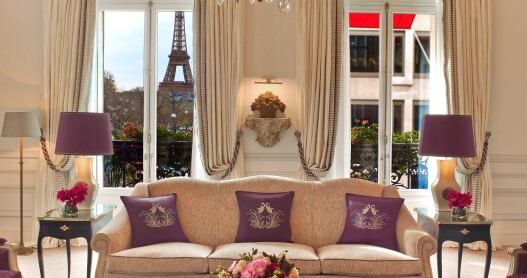
There’s nothing dreamier than a room with a view, and these luxurious hotels are perfectly positioned to give you the best views of some of Europe’s most memorable sights.
RESOURCES TO HELP PLAN YOUR TRIP
In spite of featuring in all the guide books, this Santo Spirito favourite has a loyal local following, and the place is always packed out with a mix of tourists and Florentines who line up for good value, homecooked food. I would recommend choosing the Tuscan specialities such as the hearty minestrone with rice and black cabbage and the oven-roast guinea fowl (‘faraona’). Homemade apple cake is a great way to finish.
The scents that go into Ortigia’s gorgeous bath and beauty products are inspired by Sicilian plants (orange blossom, Sicilian lime, pomegranate, almond) and evoke the essence of this exotic, southern Mediterranean island. Beautifully presented in exquisite packaging, the bath essences, soaps, body lotions, scents and scented candles are all made from natural products in Sicily. They make wonderful gifts (if you can bear to give them away, that is…).
This brick-vaulted restaurant and bar is a great venue for jazz fans and the line-up of live acts on Thursday and Fridays nights includes well-known Italian musicians. You can eat a full meal here (try the Risotto Caruso with clams, shrimp and prosecco) or just order a snack and there’s a decent selection of wines.
The rooftop restaurant of the Westin Excelsior hotel wins top prize for being the most panoramic spot for a meal in Florence; floor-to-ceiling, wraparound windows permit 360-degree views over the entire city and the hills beyond. Chef Matteo Lorenzini’s superb food lives up to the magnificent setting—so against the romantic backdrop of Brunelleschi’s Duomo and the thousand twinkling lights of the city, you can feast on seared scallops with chestnuts and lime, spaghetti with clams and crab cream, and Barbary duck.
One of the most fun places I dined at in Italy was Il Latini, in Florence. It’s in a large, maze-like building with aged prosciutto hanging from the ceilings, and art collaged upon the walls. Seating is at communal tables, and at times it felt like we were all at a wedding. In our case, my boyfriend and I sat with another couple from Australia, who were beginning their tour of Italy, but it’s easy to meet locals at this spot, too. The waiters and the owner are very persuasive when it comes to traditional Florentine food. I requested half of a Florentine steak, but I am sure I was given a full one—one of the largest I have ever seen served. It was cooked rare, and was extremely tender and flavorful. However, I am not much of a carnivore, and as such, my favorite part of the dinner was the fresh sage ravioli. After our meal, the waiter kept bringing shots and wine, which appeared to be on the house. There are no exact prices, and the waiter determines your meal’s cost.
A useful address for a snack after a visit to the Uffizi or Palazzo Vecchio, this gourmet sandwich bar and deli, hidden away down a narrow lane, serves delicious panini plus the odd salad. The sandwich selection (made with focaccia freshly-baked in a wood-fired oven) changes daily but ingredients are top-notch and sourced from all over Italy: gorgonzola cheese and salty anchovies is a favourite of mine. The price of your sandwich includes a glass of wine.
Family-run Ruggero is a bit of a hike from the centre of town, but in my mind, it is the best traditional trattoria in Florence, so worth the effort. You can expect textbook versions of Florentine classics from ribollita (a hearty bean-and-bread-based vegetable soup) to arista al forno (rosemary and garlic-spiked roast loin of pork), and an authentic, friendly atmosphere.
The recipe for the delicious, tiny truffle-cream sandwiches at atmospheric old Procacci is a guarded secret but, oh boy, are they good, especially when accompanied by a glass of prosecco. Smart Florentine ladies-who-shop flock here for a pit stop between purchases, but it’s also popular for an early-evening aperitivo. Procacci is additionally one of the few places to buy just-harvested truffles in Florence: look out for them in November and December. Heap truffle shavings over fresh, buttered taglierini pasta or a simple scrambled egg—after only one bite, you’ll understand the attraction to these precious, musty-smelling delicacies.
Located on the first floor of the bustling central market, Nerbone’s food stall has been serving up steaming plates of warming nourishment to hungry market workers since 1872 and is a great place to find local color and rock-bottom prices. The specialty is lampredotto (cow’s intestines) served in a bun with bright green salsa verde, but if you can’t stomach that (sorry….), there is also pasta and roast meats. The locals stand at the bar counter to eat, but there are a few tables too.
If you weren’t sure what you were looking for, you might miss Marco Stabile’s Ora d’Aria restaurant on Via dei Georgofili. The hint of a large birdcage peeking through a tall window in an expansive and otherwise-unadorned wall is all that alerts you to the presence of greatness. White Saarinen tulip chairs are the next thing you see once you’ve decided to explore past the birdcage, and while the dining rooms, both upstairs and down, are not elaborate, they are perfectly suited to let Chef Stabile’s food be the true showpiece. Though his cuisine is not traditionally Tuscan, and nor are all of his ingredients, Stabile’s culinary creations are a delight, finally winning over the hearts of food-savvy Florence residents and every visitor who learns that a meal at Ora d’Aria is a must when in the Tuscan capital. If you’re looking to save a little while still experiencing excellence, Ora d’Aria is also open for lunch.