Australia

The land down under may seem like a world away, but it’s a dynamic destination that caters to music lovers and fashionistas, urban adventurers and discerning gastronomes, the nature-intrigued and seasoned outdoors explorers. Now reopen to international travelers, Australia beckons with all that it offers. You may come for the very great barrier reef in Queensland and discover scuba diving led by Indigenous guides; or pair Victoria’s ski scene with its wine scene. Maybe you should consider a longer trip...

Australia7.jpg
Overview

When’s the best time to go to Australia?

It’s hard to find a wrong time to visit Australia. Winter is June to August, when most of Australia hits a low season. This is the time to ski in the Kosciusko National Park or on Victoria’s Mount Hotham. It’s also the best time to visit northern Australia.

Between May and September the Northern Territory, northwestern Australia, and Queensland offer ideal weather. In summer, these areas swelter, either too humid or too hot, inciting some travelers to make a U-turn to more friendly climes down south.

From September to May, southern Australia is at its peak. Every other traveler looking for antipodean escapades arrives at this time of year, but there’s plenty of land to go around. December to February have most Sydneysiders and Melbournians pumping up the air-conditioning, while braver tourists define new tan lines on Bondi and Manly beaches.

How to get around Australia

They don’t call Australia “the land down under” for nothing. It’s a long flight from just about anywhere. And once you’re here, the various must-see destinations are spread over vast distances, so some logistical planning is necessary.

As of 2022, there were nine nonstop inbound flights to Australia from the U.S., stopping in Sydney, Melbourne, Brisbane, or Perth. Interstate flights are easily accomplished via Qantas, Jetstar, Tiger, and Virgin.

To see the whole continent in under a month is a serious undertaking and will involve trains, planes, a few automobiles, boats, and a ferry or two.

A less daunting project would be to take on the East Coast in one trip, spending time in Sydney and Melbourne, exploring Adelaide and the Great Ocean road by car, taking a car-ferry or flight to Tasmania, popping in to Canberra, and jetting up to Queensland for the tropical experience.

Western Australia is simple to navigate by train, car, or tour bus, but don’t even think about going into the outback alone in summer.

The interior outback, known as the Red Center, is best reached by organized tour, available as luxury excursions, adventure operations, backpacker units, and every other imaginable collective. You can take four-wheel-drives off road, but carry water (five liters per day, per person), bring a high-frequency radio transceiver, and be sure to respect Aboriginal sacred land, national park rules, and animal crossings at dusk and dawn. (Neither party comes out well from an on-road clash with a large kangaroo.)

Food and drink to try in Australia

Foreigners’ overused jokey adage to “throw another shrimp on the barbie” no longer sticks. First of all, Australians call them prawns. Second, Australian gastronomy has surpassed the humble barbecue. It remains a happy summer stalwart in backyards across the country, but what happens elsewhere is more interesting. The country’s food scene has been largely overlooked abroad, and for the most part the global food media have shunned Australia’s culinary experience, focusing instead on its cuddly native critters and extraordinary landscapes. It’s also true that the nation’s food culture is really coming of age. What was a less than inspiring restaurant scene just a couple of decades ago has blossomed in recent years. Restaurants such as Attica, Quay, Sepia, and Flower Drum can stand up to the world’s best.

Culture in Australia

The new year kicks off the traditional cycle, and less than a month later the country celebrates Australia Day. Officially it marks the anniversary of the arrival of the British in Sydney on January 26, 1788. Mindful of the original inhabitants of the land, the day is now simply a celebration of being Australian. Folks light the barbecue, play cricket on the beach, and take to the outdoors. Every happy Australian stereotype comes out on one glorious public holiday. Parties don’t come much more mind-blowing than the Sydney Gay and Lesbian Mardi Gras Parade, the biggest of its kind in the world. Go along to cheer on the sequined, feathered, Lycra-wearing ensemble as they celebrate equal rights.

Hippies, rockers, folk fans, indie types, country listeners, jazz groovers: There are festivals across Australia for every sort of music lover. Travel north to Byron Bay to revel in the stunning bushland setting of Splendor in the Grass, and go to Victoria for the Falls Festival, relocated from Tasmania following a two-year pandemic hiatus. See where Keith Urban started his career at the Tamworth Country Music Festival. There’s Tropfest for film lovers, and the Sydney, Melbourne, or Byron Bay Writers Festivals for the more literary.

Local travel tips for Australia

Australia is a wide, stunning, varied land. To travel around it well requires great research and good advice. Locals love nothing better than spouting off about their favorite places, the best eats, the must-nots and must-dos. “Shout” (buy) a local a beer and you’ll get better insider advice than you could from a guidebook, and probably a really good laugh.

READ BEFORE YOU GO
HOTELS
These 19 hotels around the world immerse you in their destinations while carving out space for unhurried time together.
Sure, the beaches and views are great. But these islands excel with sustainable innovation, rich local traditions, and unique accommodations.
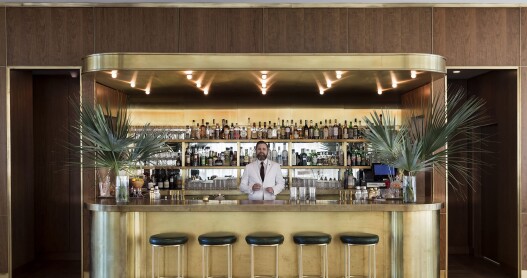
From lobby bars to rooftop lounges, these are the hotel bars Afar editors love checking out when they’re checking in.
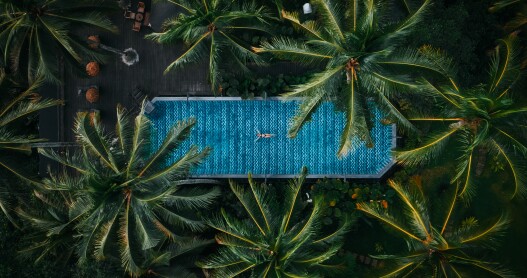
These hotel pools around the globe are worth building a trip around.
AFAR’s picks for the 31 best new hotels in the world.
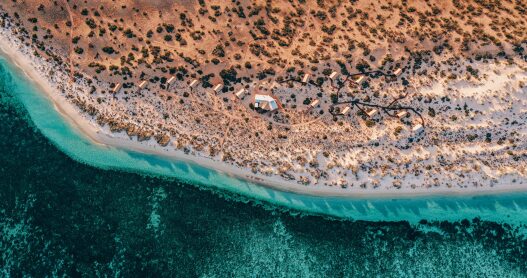
After having been decimated by wildfires in 2020, Southern Ocean Lodge in Australia is back—and it’s better than ever. Here’s a firsthand look at the reimagined retreat.
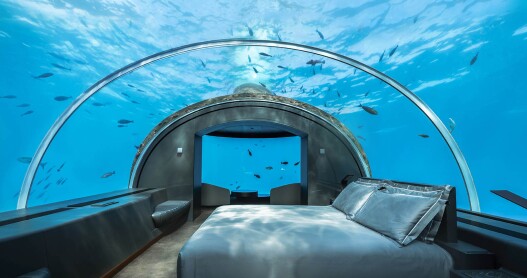
Sleeping with the fishes takes on a whole new meaning at these villas and suites under the sea.
There’s no shortage of luxury lodges, urban retreats, and pretty beach houses in Oz—but these are our favorites, from coast to coast.
Hotels can introduce their guests to the creativity that surrounds them—and reveal canvases visitors may not otherwise see.
Whether you’re after a view of Sydney Harbor or a neighborhood hangout with one of the best restaurants in town, these are the 15 best hotels in Sydney.
RESOURCES TO HELP PLAN YOUR TRIP
But don’t worry; those sails aren’t going anywhere.
Australia has a second must-see reef? Yep.
Delish Fine Foods, which is just south of Burnie, knows its fromage. Kurt Wyss, a master cheese maker from Switzerland, owns the shop with his wife, Ann. Pick up some of their favorite Tasmanian and international delicacies along with gourmet chutneys, top Tasmanian wines and a selection of housewares and books.

It is also a cafe and gourmet deli serving globally-inspired breakfast and lunch dishes every day until 2:30pm. Swing by for tasty dishes like their Turkish breakfast or chunky French Toast in the morning. Come lunch time, order up the chicken curry or Mexican fritters for a more filling meal.
Kakadu’s tallest waterfall turns on in the tropical summer (book a scenic flight to see it in full force), but in the dry season, between June and November, Jim Jim Falls transforms into a deep swimming hole surrounded by boulders and 500-foot cliffs. To get here, turn east off the Kakadu Highway 43 kilometers south of the Bowali Visitor Centre. Then travel 60 kilometers down a four-wheel-drive track, which easily takes two hours each way. Several tour companies include Jim Jim in their itineraries for travelers who don’t want to drive on their own. Either way, the rewards far outweigh the trek, and the views are spectacular.
Follow the fern-lined stairwell up to this inviting shop that brims with teapots, dishes, ladies’ clothing, makeup, natural body products and jewelry, from the funky to the fine. Elevated hand-selects quality Australian brands such as Samantha Robinson ceramics, Dr Hauschka, Leina Broughton, and Elk accessories (pictured). No wonder it’s a long-running favorite.
Chances are you didn’t pack light enough for the Northern Territory—that is, with enough lightweight clothing and swimwear to withstand the humidity and heat. Luckily, Splash on Knuckey has you covered. Or can help cover you in a way that doesn’t cause overheating. The centrally located boutique has been in business for more than 18 years and carries the top names in Australian swimwear, including Seafolly, Tigerlily, Jets and Baku in all shapes and sizes including plus sizes. Splash also carries stylish jumpsuits, coverups, sandals, sun dresses, hats, active wear and lingerie.
In the early 1900s, Lutheran missionaries arrived in the Western Arrernte community of Ntaria (Hermannsburg) about an hour west of Alice Springs. They offered food, shelter and education to the native people long oppressed by the white settlers who came in the wake of the Overland Telegraph Line, completed in 1872. The area was also hit by severe drought. While many cultural and religious shifts took place, perhaps the largest impact of the Hermannsburg missionaries on the indigenous people was the introduction of arts and crafts, namely watercolor and ceramics. Pottery arrived in the early 1970s and was first taught by Victor Jaensch, from Barossa Valley, who helped source local clay and set up a small kiln. The famous desert painter Albert Namatjira blossomed around the same time and had a lasting effect on the budding potters’ style and depiction of country. The first Hermannsburg potters were men, but now it’s largely a woman’s craft that was taught by accomplished ceramicist Naomi Sharp for 17 years. Today the terracotta pots are still made using the traditional hand-coiled technique before being shaped, burnished, decorated, and finally fired to produce distinctive Aboriginal art pieces that have a strong connection to the land and this singular slice of Australian history.
A favorite brew stop in the trendy Parap neighborhood, Laneway Specialty Coffee burst on to the scene in 2014 with a mission to enhance the flat coffee culture in Darwin. It seems the owners have been successful; the airy cafe draws a crowd every weekend, especially on Saturday mornings when the Parap Market assembles a block away. A spinoff in Winnellie, Besser Kitchen & Brew Bar, opened in 2016 with a similar exposed-brick look. The secret? Good coffee, good food and good service. The “bronuts” (brioche doughnuts) ain’t bad either.
Cyclone Cafe is one of very few Darwin coffee shops that sources its own beans from around the world and roasts them on-site. So you can expect a solid flat white, long black, and cold drip here as well as some fun additions like a triple-strength “hypercino,” the “cafe de coco"—choice of coffee blended with coconut milk—and a virgin espresso martini: a cold drip coffee shaken with with ice and a shot of vanilla that’s topped in foam. The food menu is equally satisfying with a breakfast burrito and “eggs in hell” (polenta poached eggs layered with tomato ragout, spicy chorizo and bocconcini) plus a Thai beef salad and a turkey cranberry for lunch—turkey is surprisingly hard to come by in Australia.
Long before there was real tourism in Uluṟu-Kata Tjuṯa National Park—indeed before the region was declared a national park—Peter Severin arrived to Curtin Springs with his young wife Dawn, a toddler and 1500 cattle. Severin must have had a hunch because the first tours to Uluru started the following year. The cattle station is still in operation today as is the pub, motel and general store that formed the first tourist outpost outside Alice Springs. What’s newer are walking tours that explore the million-acre cattle farm and wildlife corridor as well as nearby salt lakes and Mount Conner. Book a full-moon salt lake excursion and then relax with some amber fluid (beer) in the old Bough Shed that’s been sheltering travelers for decades.