Washington, D.C.

George Washington dubbed it “the Federal City,” Thomas Jefferson envisioned it as “America’s Paris,” and JFK described it, jokingly, as “a city of Southern efficiency and Northern charm.” However you regard Washington, D.C. (or as local residents call it, the “DMV”—for D.C., Maryland, and Virginia), it fulfills its reputation as an imperial city with a vibrant energy. Visitors love the U.S. Capitol, White House, National Mall, Smithsonian museums, and the memorials. But the city’s exciting food and theater scenes also beckon, along with dozens of privately owned museums showcasing everything from art to espionage and such dynamic neighborhoods as U Street, 14th Street, Shaw, Dupont Circle, Adams Morgan, Mount Pleasant, and Columbia Heights. Should you seek temporary escape, the Appalachian and Blue Ridge Mountains and the Shenandoah Valley lie to the west, and to the east is the Eastern Shore, Chesapeake Bay, and Atlantic Ocean.

The Washington Monument seen from the Lincoln Memorial with the Reflecting Pool in front and many visitors.

The National Mall viewed from the steps of the Lincoln Memorial.

Photo by Michael Rosebrock/Shutterstock

Overview

When’s the best time to go to Washington, D.C.?

D.C.’s high travel seasons coincide with the nicest weather—mid-March to mid-June and mid-September to early November. The ideal time to come is mid-September to mid-October: The weather is wonderful, the crowds have dwindled, and museums and landmarks keep summer hours. If you want to see the famed cherry blossoms, peak bloom usually occurs in late March or early April.

How to get around Washington, D.C.

Travelers flying into D.C. have a choice of three airports: Ronald Reagan Washington National Airport (DCA), Washington Dulles International Airport (IAD), and Baltimore/Washington International Thurgood Marshall Airport (BWI). You can then make your way into the city via taxi, shared van service, or rideshare apps like Uber and Lyft. SuperShuttle serves all three airports. From Reagan National and Dulles, travelers also have the option of taking the Metrorail into town. From BWI, arrive in the city via a MARC train or Amtrak train to Union Station, from which you can easily hop on the Metro subway.

D.C. is an extremely walkable city, but many options exist for getting around town. The Metro is often the fastest and most efficient way to move between neighborhoods. And the DC Circulator, at $1 a ride, offers an economical fare on six bus routes through town, including one that encircles the National Mall. Cabs are readily available, as well as vehicles through Uber and Lyft. If you’re driving, you can use your smartphone to pay for parking by signing up with Parkmobile. The system will send you an SMS when your park time is about to expire, and you can add time using your smartphone. You can also rent a bicycle to ride around the city, through Capital Bikeshare, or hop on electric scooters offered by Lime, Lyft, and Spin.

Can’t miss things to do in Washington, D.C.

The two-mile long National Mall is the focal point of D.C. Anchored by the Capitol on one end and the Lincoln Memorial on the other, the extraordinary promenade is lined with world-class museums, historic sites, and monuments. You can explore the 10 Smithsonian museums along the mall; tour the Capitol and the Supreme Court; visit the Library of Congress, the world’s largest library; and view original copies of the Declaration of Independence, Bill of Rights, and U.S. Constitution in the National Archives. Many of the monuments, including the Lincoln Memorial, Jefferson Memorial, and Washington Monument are beautifully lit up at night, and “monuments by moonlight” tours are popular.

Beyond the mall are plenty of attractions. You can enjoy the artfully designed waterfronts in Georgetown, the Wharf, and the Yards; roam the National Arboretum; tour grand estates like Dumbarton Oaks and Hillwood; shop for locally produced goods at Eastern Market or Union Market; visit the Tomb of the Unknown Soldier at Arlington National Cemetery; or see a performance at the Kennedy Center. Active pursuits include walking or biking along the Anacostia Riverwalk Trail, the C&O Canal in Georgetown, or the trails in Rock Creek Park. To experience the city’s nightlife and live music, head to U Street, H Street, or Adams Morgan.

Food and drink to try in Washington, D.C.

One of the most international cities in the United States, D.C. has cuisine to match its diversity. Georgetown, Shaw, Capitol Hill, 14th Street, the Wharf, and Penn Quarter especially have a wide variety of dining options. Celebrity chef José Andrés is based in D.C.; his award-winning restaurants, mostly clustered in Penn Quarter, include Jaleo, Oyamel, and Zaytinya. For a taste of the entire city’s food scene, visit Union Market in the NoMa neighborhood. Its gourmet food hall has stalls for local favorites like DC Dosa, TaKorean, Immigrant Food, Som Tam, and District Doughnut.

A must-try in D.C. is Ethiopian food. The largest Ethiopian community outside Africa lives in the D.C. area, and excellent restaurants are available throughout the city. Top-rated mainstays include Zenebech, Chercher, Dukem, and Ethiopic. D.C.’s signature dish is a half-smoke: a coarsely ground spicy sausage, half beef and half pork, that’s smoked before it’s grilled and commonly topped with chili and onions. Some of the best places to try it are Ben’s Chili Bowl and DCity Smokehouse. Maryland blue crab from the Chesapeake Bay is also a must; many restaurants serve crab cakes, and you can find freshly caught crabs and other seafood at D.C.’s Municipal Fish Market, located at the edge of the Wharf district. Founded in 1805, it’s the oldest continuously operating open-air fish market in the United States.

Bars around the city pour small-batch locally produced beer and cider; brands include DC Brau, Anxo, and Right Proper Brewing Co. Neighboring Virginia is a major producer of wine, and visiting Virginia wineries is a popular day trip outside the city.

Culture in Washington, D.C.

D.C. is a great museum city. Some of the world’s most-visited museums are here, and many national galleries and museums are publicly funded, so they’re free to visit. A few others, like the National Museum of Women in the Arts, the Phillips Collection, and the International Spy Museum are worth paying to see. During the entire month of May, D.C. celebrates its global community with embassy tours and events throughout the city.

Popular festivals include the National Cherry Blossom Festival in March and April; the Capital Pride Parade in June; the Smithsonian Folklife Festival in June and July; and the DC Jazz Festival over Labor Day weekend Every Fourth of July, thousands of people gather on the mall for the annual fireworks celebration.

Theater and other performing arts take center stage at extraordinary venues like the Kennedy Center, the Atlas Performing Arts Center, and Wolf Trap. The Shakespeare Theatre Company puts on classic and updated versions of Shakespeare’s plays, while the Woolly Mammoth Theatre Company offers cutting-edge experimental productions. Ford’s Theatre, the site where President Abraham Lincoln was killed, remains a working theater that puts on multiple productions a year and serves as a museum to Lincoln’s legacy.

Music is an intrinsic part of the city’s cultural fabric. Visitors can enjoy all types of genres at D.C.’s many live music venues, such as the legendary 9:30 Club. Walking tours delve into fascinating music history: The city was a major center for jazz from the 1920s. to the ’60s, punk reigned from the 1970s to ’90s, and go-go (D.C.’s official music) was created here in the 1970s. For modern-day performances, you can go to the Blues Alley jazz supper club in Georgetown, see punk bands at Fort Reno Park’s summertime concert series, and catch go-go on weekends at Air Lounge in Adams Morgan.

Local travel tips for Washington, D.C.

Wednesdays through Saturdays, the Kennedy Center’s Millennium Stage, located in the Grand Foyer, presents free performances at 6 p.m. No tickets or reservations are required—you just show up and take a seat. The Reach, the expansion of the Kennedy Center, also hosts numerous free performances, art exhibitions, and film screenings, and you can even watch acts in rehearsal.

Hordes of tourists throng the Tidal Basin during cherry blossom season in spring. To get the best flower photos—and avoid the crowds—arrive at dawn. The blooms glow in the soft morning light, and the water is often perfectly still, allowing for incredible reflections of the monuments shrouded in blossoms.

Guide Editors

Karen Carmichael is a Washington, D.C.–based travel journalist. Production editor for AFAR, she has also been published in National Geographic, Budget Travel, and the Los Angeles Times. Susan Mason is a producer, writer, and digital strategist who is passionate about telling stories that inspire people to connect with one another and their surroundings. Julee Khoo had a long and successful career as an IT project manager at the International Monetary Fund (IMF), and is now spending her days pursuing interests including cooking, gardening, beekeeping, and, of course, traveling to destinations near and far. Christian Mirasol is a Licensed Washington, D.C. Tour Guide and also works with business owners as a marketing arm for a number of Fortune 1000 and other online companies.

READ BEFORE YOU GO
From the long-awaited opening of the Lincoln Memorial Undercroft to new Smithsonian exhibitions, immersive history trails, and upgraded dining options, the National Mall is unveiling a wave of attractions ahead of America’s 250th anniversary celebrations.
HOTELS
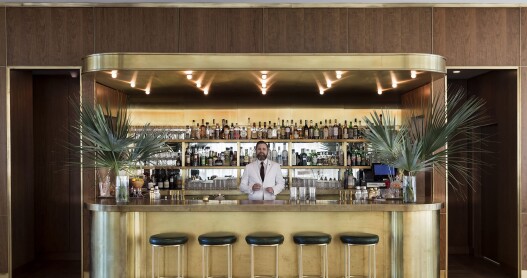
From lobby bars to rooftop lounges, these are the hotel bars Afar editors love checking out when they’re checking in.
When a hotel opening coincides with a pandemic, a different (dare we say, better?) kind of hospitality happens.
Capsule hotels—enclosed spaces with only a bed—are ubiquitous in Japan but still rare elsewhere. A new micro-hotel at Dulles Airport aims to change that.
The “Resistance-chic” Eaton Workshop is part hotel, part coworking space and has locations opening in Washington, D.C. and Hong Kong in September.
RESOURCES TO HELP PLAN YOUR TRIP
When the red-meat craving hits, there’s one place that satisfies the need for a juicy fix: Burger Tap and Shake, otherwise simply known as BTS. BTS offers a great selection of burgers made from locally sourced beef that is freshly ground on premises daily. The meat patties are all gently hand formed so the meat is as loosely held together as possible and the cooked burger is served on housemade buns and with housemade condiments including some mighty fine pickles. I have to admit that my favorite burger is the Southern Comfort. There’s something about the warm fried-green tomato patty against the cool pimento cheese sauce is that is truly addictive! As the name of the restaurant implies, there are beers to be had, both bottled and on tap. For lunch, I usually go with a milkshake; try the flavor of the month for a taste of something unique and different. If you really want to indulge, go for one of the shaketails! BTS is a small joint. There is a small bar for seating, and tables inside. During the warmer months, there’s al fresco seating as well. If you come between noon and 1pm, expect a line. It does move quickly and your patience will pay off with a truly yummy burger. Metro stop: Foggy Bottom
For decades, this rooftop terrace bar situated at the W Hotel (formerly the Hotel Washington, circa 1918) has provided some of the most stellar views of the White House, monuments, memorials, and beyond. P.O.V. is open year-round, unlike many other local rooftops, and encourages guests to show up by 9 p.m. Once you’ve found a spot to lounge on a velvet banquette, order a round of craft cocktails along with small plates from world-renowned chef Jean-Georges Vongerichten.
Union Market is the perfect D.C. destination if you’re searching for a weekend brunch spot, craving a snack on your way to visit the Capitol, or, you know, hungry. Oyster bar, bakery, taqueria, soda shop, sandwich shop, Korean taco grill—all of the food is here waiting for you. The 47,000-square-foot space is a throwback to the original Union Terminal Market, which opened in 1931 with more than 700 produce, meat, fish, and dairy vendors in airy indoor stalls. The market moved to a warehouse in the 1960s and closed in the 1980s before reopening in 2012. When you’re finished stuffing your face, you can shop for home goods and vintage finds at shops like Little Leaf and Salt & Sundry.
National World War II memorial honors the hundreds of thousands who fought and who died during World War II. I snapped this photograph of the Freedom Wall, which contains 4,000 gold stars to honor the over 400,000 Americans who died during World War II.
The U.S. Capitol Building is the epicenter of all D.C. political action—this is where the country’s most important battles are fought. Home to the House of Representatives and the Senate’s meeting chambers for more than two centuries, it’s also an art gallery in its own right, with priceless paintings and murals adorning the walls and ceilings. Take the free guided tour and marvel at the parade of political heroes and villains who have roamed its halls during pivotal moments in U.S. history. The Capitol is located within easy walking distance of the Library of Congress, the Supreme Court, and the U.S. Botanic Garden.
Few local D.C. residents know about St. Matthews Cathedral, and I would really be surprised if any visitors to D.C. knew about it, since it’s the National Cathedral that gets the mention in the guidebooks. That’s too bad, really, because this tiny Catholic church, with its unassuming exterior, has a glorious interior that few people see and appreciate. (Believe it or not, I get to come here for my Spanish classes.) Although it is a neighborhood church, it’s had its moments in the national spotlight. There have been many funeral services held here for notable people, including President Kennedy. For a cathedral, it has a very small interior—there are only seven chapels. The walls and ceiling are decorated with stunning images of angels and saints, including Matthew, rendered in marble and mosaic. The center dome helps to make the space feel larger. Last, but not least, there is a beautiful organ that is often featured in concerts and recitals; the sound of the music that pours forth from it is amazing! If you are visiting from out of town, I would recommend going to the church in the late morning. Then walk back toward the White House, stopping for lunch in McPherson Square. That’s where some of D.C.’s fleet of food trucks parks every day. Find a spot in the park to eat and enjoy your time in D.C.! The church is located about five blocks north of the White House and is a short walk from the Farragut North Metro station.
It’s best to follow these lunches on wheels on Twitter, but usually you’ll find them lined up near the L’Enfant Plaza Metro Station in southwest D.C., McPherson Square, Franklin Park, and Farragut Square all in northwest D.C. Popular ones include Takorean, Fojol Bros., Red Hook Lobster Pound, CapMac, Big Cheese, Dangerously Delicious Pies, Pepe, Feelin’ Crabby, DC Ballers, and Carnivore BBQ. You can keep track of all their movements on the Washingtonian’s food truck tracker website, Food Truck Fiesta.
Not everyone gets to live across the street from the White House. Before the current Italian-Renaissance hotel was constructed in 1927, the prime real estate was occupied by the homes of two little-known American icons: John Hay—personal secretary to Abraham Lincoln, ambassador to the United Kingdom, and Secretary of State under both William McKinley and Theodore Roosevelt—and Henry Adams, Harvard professor and great-grandson of John Adams. Their houses were hubs of D.C. culture for decades at the turn of the last century, and so, when the Hay-Adams opened, it was only logical that the hotel would continue that tradition. Washingtonians play at the sultry bar scene, everyone from Amelia Earhart to the Obamas has stayed in its elegantly Old World rooms overlooking historic Lafayette Square and the White House beyond, and the hotel is known for its discreet and comprehensive, no-questions-asked service. Should guests need a ride to one of the District’s many important meetings, the house Mercedes drops off anywhere downtown, guaranteeing a first impression worthy of a luminary. Though if you insisted on the meeting coming to you, no Beltway insider would mind.

This hotel is on our list of the best hotels in Washington D.C.
Located along the historic Chesapeake and Ohio (C&O Canal), this laid-back neighborhood bakery and coffeehouse is one of my favorite hangouts in D.C. Baked and Wired serves delicious food and drinks in a cozy atmosphere. The space is adorned with works done by local artists and photographers—as well as napkins scribbled with slogans, poetry, and pictures by visitors who wish to leave their mark. Owned by a husband and wife team, Tony and Teresa Velasquez, the shop has been whipping up handcrafted baked goods since 2001. To the delight of the young, the old, the college kids, hipsters, and the “power suit” crowd, the shop churns out a plethora of treats. You’ll find cupcakes (“cakecups”), brownies, cookies, pies, bars, muffins, cakes, quiches, breads, biscotti, and even “zilla bonez” (dog biscuits). They also serve the best coffees including Stumptown, Intelligentsia, Madcap, Barismo, and Ceremony. For tea, try the “Chaider"—a seasonal combo of chai and apple cider. Dine here like a local; upon entering, head to the left side for the baked goods (the “Baked” side) and then to the right for coffee (the “Wired” side). Signature baked goods include: — The Strawberry Cupcake: made from fresh strawberries mixed with vanilla cake batter topped with a swirl of pink buttercream (the local favorite). — Bee Stings: shortbread cookie topped with sliced almonds and honey. — OMG’s caramel s’mores: a layer of graham cracker crust followed by caramel, marshmallow, and chocolate.
Established in 1800, the Library of Congress is the oldest federal institution in the United States. The library was destroyed by British troops just 14 years after its conception, and Congress used Thomas Jefferson’s collection of 6,487 volumes to replace it. Today, the collection of the Library of Congress—housed across three buildings—grows by approximately 12,000 items a day and is the second largest library in the world with 164 million items and 838 miles of shelves (that’s farther than the distance from Washington, D.C. to Chicago!). The library holds the world’s largest collection of comic books and one of only three remaining Gutenberg bibles. The Library of Congress offers daily guided tours to explore its historic collection and famous Beaux-Arts architecture.—Miranda Smith