Tahiti

Tahiti is the largest island in the Islands of Tahiti archipelago in the South Pacific, commonly known as French Polynesia. Whether snorkeling a turquoise lagoon or surfing a black-sand beach, hiking to a waterfall or just to your hammock, or marveling at the colors of Papeete Market or at the agility of traditional dancers, it offers a mix of culture, adventure, and indulgence. Lodging is more affordable in Tahiti than on her sister islands, and you won’t need to arrange onward transport. But just because the island is convenient—an eight-hour direct flight from L.A.—doesn’t make it any less alluring as a destination itself.

Houses above the water with a large rocky mountain in the distance
Overview

When’s the best time to go to Tahiti?

Tahiti is really a year-round destination. If you had to choose, the absolute ideal months to visit are during the May to October “dry season,” when the weather is slightly cooler and there is less rain. That said, traveling between November and March can offer better rates. Although technically the “wet season,” the weather is usually still good: You will likely get periods of rain, but also plenty of blue sky. Expect higher humidity, though.

How to get around Tahiti

Faaa is the only international airport among the Islands of Tahiti. It is located on Tahiti itself, just a few miles west of the capital city, Papeete. Flight time from Los Angeles is only eight hours and the islands are in the same time zone as Hawaii, meaning there’s only two or three hours difference (depending on time of year) with the U.S. West Coast. (This makes jetlag much less of an issue than traveling somewhere like Fiji, where you will cross the international dateline.) Once on the ground, it is very easy to circle the island by rental car—there is just one main road and it hugs the coastline. Note there are no formal street addresses in Tahiti. Instead, locations are identified by PK (points kilometriques), which represent the distance in kilometers from Papeete cathedral.

Can’t miss things to do in Tahiti

- Tahiti underwater is sublime, so make sure to go snorkeling or diving.
- Try surfing, too—it was invented in Polynesia, possibly in Tahiti.
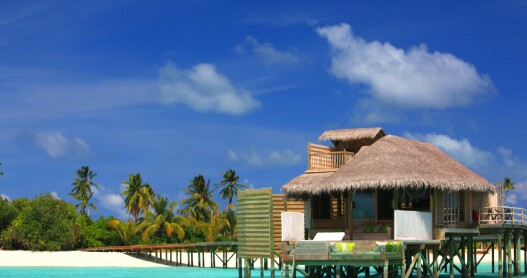
- If you’re by the beach, stay at least a couple of nights in an overwater bungalow if you can.
- Away from the sea, catch a Tahitian dance performance at a luxury hotel—it’s mesmerizing.

Food and drink to try in Tahiti

Fresh fish and seafood is a staple in Polynesia. The national dish is poisson cru, freshly caught raw fish (usually tuna) with diced vegetables marinated in lime and soaked in coconut milk. It is absolutely delicious and can be served with rice. Chevrettes are another popular Tahitian delicacy. These are freshwater shrimp often grilled or cooked in a French-influenced butter sauce.

Culture in Tahiti

Music and dance have long been an integral part of Tahitian life, and today learning the traditional dances is as popular with locals as tourists, who fill the many schools in Papeete. There are four main styles of dance in French Polynesia, and many hotels offer performances with dinner at least once a week. But to really experience the best of Tahitian dance, visit during Heiva I Tahiti: a major festival of traditional Polynesian culture that takes place for a week each July in Papeete and includes music, dancing, singing, and sports. Another large and important festival is the Billabong Tahiti Pro Surfing Tournament, which is an international, professional-level surfing contest held at Teahupo’o in Tahiti Iti over three days each May.

For Families

Tahiti is a great destination for families, especially if traveling from the West Coast. With the island just an easy eight-hour direct flight from Los Angeles and on the same time zone as Hawaii, it doesn’t take little ones long to adjust. Many resorts have kids clubs and are specifically geared towards families. And with adventures from snorkeling to waterfall hikes, there is plenty to do.

Local travel tips for Tahiti

Stay in a family-owned pension or Tahitian B&B to truly experience Tahitian life and culture. Spend your morning fishing with the locals, then take your fresh catch to the nearest motu (like a kind of mini island) for a picnic to remember.

Nearly every activity can be booked through your hotel, pension, or guesthouse upon arrival.

The tattoo art form was invented in Polynesia (or, at least, that’s where Europeans first enountered it), and today many Polynesians sport beautiful works of art as symbols of their personal identities.

Guide Editor

READ BEFORE YOU GO
HOTELS
The world’s best beach resorts put cultural and environmental preservation front and center.
While a stay in the famously lavish resorts of Tahiti and Bora Bora may be a dream vacation for many, the local guesthouses offer travelers a deeper look into Polynesian culture and life.
RESOURCES TO HELP PLAN YOUR TRIP
I love checking out local zoos while traveling—especially when they’re clean, humane, and informative. The Aurora Zoo in Guatemala is definitely a great spot to take the kids for an easy day of excitement. It’s been open since 1924 and actually helps both conserve and rehabilitate animals. Oh, and tickets are less than $5. Worth a stop!
Visiting the InterContinental Bora Bora Thalasso Resort on assignment, I feel like the only single person from here to Guam. Every year, Bora is voted among the world’s top honeymoon destinations, and right away you realize everything is designed to propagate the human species. The grounds are thick with palm trees and fat ferns leading up to some of the most beautiful water on the planet resembling a translucent creamy liquid light. Every day at 2 p.m., a school of stingrays shows up in knee deep water to be fed by guests. This is highly popular for the dozens of young honeymooners because their Facebook photos come out amazing in the clear water. The star attractions are the 80 overwater villas stretching into the lagoon along four curved wooden piers. Prepare to be blown away. The villas are over 1,000 sf with cathedral beam ceilings, handsome wood furnishings and a huge living room opening out to a large wooden deck. A ladder extends to a second deck perched a couple feet above the water, where you’ll spend a lot of time while other guests kayak by and wave hello. In the center of the villa, my bed faces a floor-to-ceiling window framing the volcano. These particular units were voted “World’s Best View from the Bedroom” on TripAdvisor a few years ago. The hotel can also set you up with a catered romantic dinner for two on the lower deck. Candles, pillows, frangipani flowers, French champagne and lobster soup—who can resist the romance?
Also known as the Papenoo Valley, the Maroto Valley is a magical place once inhabited by ancient Polynesians. If you go with a guide -- I recommend Marama Tours -- you’ll be able to learn about the history of the area as well as learn to forage like they did in the past. The above photo is of a local fruit called noni, whose juice gets rid of mosquito bite itch. A few other natural remedies the group learned include lime can be a deodorant, coconut juice aids digestion and taro is good for strong bones and teeth.
The Raiatea Lodge Hotel located on the island of Raiatea is one of French Polynesia‘s only 3-star hotels (most are budget pensions or luxury resorts). Guests can enjoy comfortable and stylish accommodations in an intimate boutique hotel that features 15 rooms. Room amenities include balcony views overlooking the garden and pool, rain showers, air conditioning, sumptuous bedding, a television and free WiFi. Make sure to wake up early to see the sunrise over the lagoon from your balcony and hear the birds singing early in the morning. Moreover, they offer a range of free activities, like snorkeling in the lagoon, kayaking to the nearby Motu Miri Miri and cycling around the island, as well as guided tours for a fee. Don’t leave without having an artisanal breakfast or piece of fresh fish from the lagoon in their restaurant, or a cocktail enhanced with fresh local fruits and flowers from their bar.
While pensions in French Polynesia are often touted as overpriced accommodations with no amenities, Fare Pea Iti proves this is not always true. In fact, this family home pension is downright luxurious, with an in-ground pool, well-manicured grounds and a mix of beach and garden bungalows featuring sumptuous amenities and whimsical touches. The beach bungalow is particularly opulent. While in the bathroom you’ll find Monoi oil body products and an over-sized walk-in tiled shower, the enclosed porch features beautiful views, self-catering kitchen with barbecue and mini-bar. In the room, the bed is adorned with tropical flowers and canopied with delicate baldaquin. Moreover, the garden bungalows offer comfortable beds, televisions, Monoi oil tiki soaps, a walk-in shower, mini bar and table and chairs in the garden for scenic relaxing. Don’t miss the fantastic homecooked meals in their open-air restaurant and bar. In the morning there’s an artisanal breakfast of hot beverages, fresh juices, fresh tropical fruit, homemade vanilla yogurt, fluffy bread and housemade jams with large chunks of fruit. Moreover, at night guests can enjoy a 3-course candlelit dinner featuring fresh local ingredients.
Fakarava’s lagoon is majestic, with translucent blue waters filled with vibrant coral and tropical fish. In fact, Fakara is touted as the “mecca of diving” thanks to its waters rich with flora and big fauna. Enjoy a walk along its perimeter white-sand beach littered with lush vegetation and billowing palm trees.
Technically part of Tahaa in French Polynesia, Vahine Private Island Resort is an escape from reality. The hotel features three beach bungalows, three self-contained beach suites and three overwater bungalows, all with beach views and designed using only natural materials in such a way as to make you feel like you’re in a traditional Polynesian home. Moreover, the resort is set on a 23-acre private island lush with coconut trees and white sand beach.

Snorkel in their vibrant coral gardens, kayak to nearby motus or to natural sting-ray pools, take in a coconut show, learn how to tie a pareo or weave palm leaves, paddle a traditional Polynesian outrigger canoe or take an excursion to the nearby mainland of Tahaa (the “Vanilla Island”) or a private motu. Guests love their food and beverage program, with French dishes crafted using local cuisine and cocktails infused with local fruits and juices.

Tip: Don’t leave without having a traditional massage with scented Monoi oil on your deck, where you’ll hear nothing but the billowing palms and gentle crashing of waves.
Perched high above Antigua in the little hamlet of El Hato, Earth Lodge is a true hidden gem. The view says it all: not one, but three volcanoes (Agua, Fuego and Acatenango) spill out beyond the borders of the city below. Whether you stay in the dorm rooms or in a cozy cabin for two, be sure to rise early so as to witness the world slowly awaken. As luck had it, my breakfast avocado smoothie (the lodge is also an avocado farm) was paired with a morning eruption from Fuego, the most tempestuous of the trio. Breathtaking, all around.
When in Bora Bora, Tahitian pearls are a girl’s best friend. Often known as “black pearls,” they actually come in all sorts of colors, including black, blue, green, and pink. Even though the pearls aren’t produced in this island’s lagoon—most come from the Tuamotu or Gambier archipelago—many of the highest quality ones are sent to Bora Bora to be sold on the tourist market. The best deals are found on the main island at small boutiques, which often mount them into their own unique designs. Spend a day touring the island in search of your dream pendant or earrings; and if you really want to splurge, go for a full strand.
There may not be much to this tiny island in the French Polynesia but it’s big on history if you have any interest in Paul Gauguin and Jacques Brel. If you are looking for a secluded spot with little amenities, this is a perfect spot in paradise.