Florence

Of the cities that have enjoyed moments as true cultural capitals of the world, Florence is one of the most surprising. A modest trading center, and one devastated by the plague in 1348, Florence emerged late in the 14th century as the “Athens of the Middle Ages.” This was due, in large part, to the ruling Medici family embracing their role of patrons to Leonardo da Vinci, Michelangelo, Brunelleschi, Machiavelli, and other artists and writers.

The glories of the Renaissance are found everywhere you look. The Palazzo Vecchio sits beside the Piazza della Signoria, the symbolic heart of Florence, while less than five minutes on foot will bring you to the Uffizi Gallery, a treasury of many of the most famous paintings of the Renaissance. Cross the Arno River over the Ponte Vecchio and you’ll soon arrive to the Pitti Palace and Boboli Gardens. This city is more than the sum of its parts. When circumstances led to Milan, Rome, and other Italian cities surpassing Florence in population and commercial importance, the historic heart of Florence remained largely intact. Only a few modern buildings can be found in the city center, much of the medieval streetscape remains, and here you can walk in the footsteps of some of Western civilization’s greatest minds.

original-florence-banner-crop-2019.jpg

Photo Courtesy of Atibordee Kongprepan

Overview

When’s the best time to go to Florence?

Florence at the height of summer is often hot and almost always crowded—late spring and early fall are preferable if possible. While Florence is a year-round destination, if you are combining your trip there with visits to wineries and smaller towns in Tuscany, be aware that some businesses do close in the winter.

How to get around Florence

There are no direct flights from the U.S. to Florence, but you can connect through European hubs. The city center is about 20 minutes from the airport by taxi or bus. If you’re also visiting Milan, Rome, or Venice, each is two hours or less by train, with Florence’s main station at Santa Maria Novella near the historic center.

Florence’s compact historic area is best explored on foot, as narrow, busy streets make walking easier than driving. Buses are useful mainly for trips outside the center. Taxis are safe and affordable for short distances, but must be picked up at a taxi stand.

Can’t miss things to do in Florence

The Uffizi Gallery ranks alongside the Louvre and the Hermitage as one of the world’s great museums, though its collection is more focused—specifically on Italian art from the 14th to 17th centuries. The entire arc of Renaissance art can be traced through its canvases, with masterpieces by Botticelli, da Vinci, Fra Filippo Lippi, and many others.

The Galleria dell’Accademia, on the other hand, is a must-stop thanks to one masterpiece: Michelangelo’s David.

Florence’s cultural highlights include a number of buildings that are iconic landmarks. Foremost among them is the cathedral, or Duomo, which includes contributions from three towering figures: Brunelleschi (the dome and baptistery), Giotto (the campanile), and Vasari (The Last Judgment fresco). Students of garden design, and anyone who wants to simply smell the flowers, should explore the Boboli Gardens.

Take a break from all the headiness with a visit to the Mercato Centrale, or San Lorenzo Market. On the ground floor you can shop for sun-dried tomatoes, olive oils, and other culinary gifts. In the food hall upstairs, you can savor some of the flavors of Tuscan cuisine.

Delve even deeper into Florentine culture: sign up for a cooking class, attend a musical event, conduct your own street-food survey. Or take a fresco-painting workshop from our partner, Context Tours, where you’ll learn the ropes of this Renaissance painting technique from a working artist in his studio.

Food and drink to try in Florence

Tuscan cuisine is traditionally simple and hearty food, noted for its bean and vegetable soups and non-fussy pasta dishes. Florence’s most famous dish, bistecca alla Fiorentina, a thickly cut t-bone steak, can be found on many menus. If you have a sweet tooth, gelato was (at least according to some) invented in Florence.

Culture in Florence

Florence’s high culture is the reason to visit the city for many—its museums are home to many masterpieces of Renaissance Italy while some of its churches and palaces are true architectural wonders. The lines at the Uffizi Gallery can be long and purchasing advance tickets is highly recommended. While you will want to see Florence’s most famous highlights, its smaller institutions can offer a respite from the crowds: the Bargello houses important works by sculptor Donatello while the Horne Museum displays the collection of its 19th-century British founder, an avid collector of Renaissance art.

READ BEFORE YOU GO
Following recent regulations in Rome, Venice, and Cinque Terre, additional Italian destinations are implementing rules aimed at encouraging more responsible travel.
HOTELS
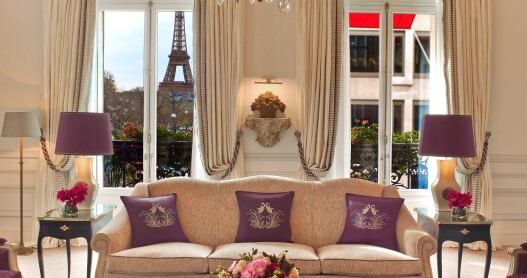
There’s nothing dreamier than a room with a view, and these luxurious hotels are perfectly positioned to give you the best views of some of Europe’s most memorable sights.
RESOURCES TO HELP PLAN YOUR TRIP
This leather workshop is hidden away in a former Franciscan monastery next to Santa Croce. The Scuola del Cuoio was originally founded to provide skills and work for some of the city’s orphans after World War II; masters and apprentices still produce wallets, purses, journals, and jackets. Take a quick tour of the beautiful cloisters, frescoed corridors, and workspace, or sign up for a full workshop and try your hand at making something of your own. Everything is crafted on-site using traditional methods. Be sure to get your purchases personalized with a gold-stamped monogram.
When people think of Florence, they usually think of Renaissance art and crowded museums filled with altarpieces and “Madonna and Child” images. While the Renaissance is the biggest draw of this historic city, there is a lot more to its art-museum scene. The Palazzo Strozzi is a fine example of a museum that doesn’t just showcase great art but also plays an important role in the community. Inside this Renaissance palace—a work of art in itself—visitors will find temporary exhibitions that cover a variety of time periods and cultures.

On Thursday evenings, the courtyard is transformed into a social hub with hip Florentines having drinks and coffee at the café and on outdoor couches. The museum also offers free entrance to the downstairs exhibition space on select evenings and, in summer, hosts movie and music nights. Palazzo Strozzi has also gotten on board with making art an interactive experience, especially for children. Parents can purchase a family ticket which includes kid-friendly activities including workshops, sketching in the galleries, storytelling, and “stroller tours.”
Paszkowski’s historic interior was originally founded in 1848 in what is now Piazza della Repubblica in the center of Florence. A great place to stop for a hot chocolate, espresso, or one of the cafe’s beautiful sweet treats, Paszkowski not only reflects the city’s history but also is a place where fancy locals still gather.
Cramped it may be, but rustic Da Mario, located at the back of the mercato centrale, serves up a menu of consistently reliable Florentine classics to a mix of stall workers, business folk and tourists, and it’s always packed. The choice changes daily, but look out for earthy zuppa di fagioli e cavolo nero and peppato, a kind of beef stew laced with black pepper.
The cathedral, usually called the Duomo, is Florence’s most recognizable building. You are able to catch glimpses of its magnificent red-tiled cupola from just about anywhere in the city center. Construction on the church complex began in 1296 and the work—Brunelleschi’s dome and his Baptistery, and Giotto’s bell tower—was completed in 1426. The interior of this architectural is reserved in contrast with the exterior’s marble Gothic facade and its green, pink, and white stripes. Climb the 463 steps up into the dome for a close-up look at Giorgio Vasari’s fresco, The Last Judgment, and a bird’s-eye view of the city.
The Franciscan Basilica di Santa Croce, with its striped green-and-white marble facade, dates from about 1294. Inside are the tombs of many celebrated early Florentines, including Dante, Michelangelo and Machiavelli. Among the many art treasures are radiant frescoes by Giotto and his pupil Taddeo Gaddi, which decorate the Bardi and Peruzzi chapels, and the newly restored Cappella dei Pazzi, a Renaissance architectural masterpiece designed by Brunelleschi.
In Florence‘s Oltrarno neighborhood, an area known for its craftsmanship, this modern store stands out. Run by a couple, the store is full of fabric and paper goods. There are books covered in silk screen designs, and elegant prints on bags made of upholstery fabric and beach chair fabric. There’s a worktable at the back of the store where you can see the goods being made.
On a cool night in November, walking alone from an outdoor food market in the center of Florence, I decided to indulge my sweet tooth yet again. I stopped for a “snack,” one that I would never eat just before dinner back home yet couldn’t get enough of in Florence...gelato. Eating gelato, with its creamy texture and multitude of vibrant flavors, is certainly one of the food highlights of being in Italy. Florence has plenty of excellent gelato shops, or gelaterie. Perché no! was my favorite choice because of its convenient location right in the historic center, between Piazza della Signoria and Piazza della Repubblica, and because of its flavors. This combination of persimmon and dark chocolate made eating gelato outside in the cold just before dinner seem perfectly normal.
There are many excellent restaurants in Florence, but this one was recommended to me by a local, and I’m so glad it was. Alessandro, the chef, recently returned after working in New York City for eight years. Located on a small street near the Duomo, La Cucina del Garga offers so much for a small restaurant: recipes inspired by the chef’s father (Garga), art covering the walls, friendly staff, great Tuscan wines, funky menu designs, and reasonable prices. A seemingly simple salad of greens, tomatoes, pine nuts and cheese was the best salad I’ve ever had. Other great dishes were the fresh twisted penne with pistachios and cherry tomatoes, and creamy pasta with scallops. If possible, make a reservation and ask for the “painted room.”
During my last stay in Florence, I wanted to learn more about the artisan trades, and Bruscoli was recommended to me by a local. I am so glad it was. As I walked along the Arno River on my way to the workshop, I had no idea what an extraordinary little slice of Florence’s history I was about to witness. At Bruscoli, you can learn about the artisan heritage of Florence from Paulo Bruscoli, a fourth generation craftsman and owner of a small shop that sells both Florentine paper and leather products engraved with gold leaf. From stories of the bookbinding tradition in his family and the great flood of 1966 to his extensive collection of traditional engraving tools, the details housed in this small shop bring to life a tradition deeply rooted in Florence’s heritage yet unlikely to continue in the future. Bruscoli is an easy walk from the city center. High-quality leather and paper products are for sale, but Paulo Bruscoli specializes in personalized items, which you can order and pick up later or have sent to you. Mr. Bruscoli speaks English.