Budapest

Budapest is a manageable city for navigating on foot, with Buda on the west side of the Danube and Pest on the east. You can experience the major sights in just a few days or immerse yourself in local culture on a longer visit. Gaze up as you wander, so as not to miss the fine details on the late-19th- and early-20th-century buildings downtown. Explore newer facets of the city, too, especially the contemporary art, fashion, and design scenes. Café culture has been prominent in Budapest’s history, and lively drinking establishments and steamy thermal bath houses only increase the city’s allure.

Budapest, Hungary : Szechenyi Baths in Budapest in Hungary on a sunny day. The biggest bath complex in Europe.

Photo By Robalito/ Shutterstock

Overview

Can’t miss things to do in Budapest

The best way to experience Budapest is on foot, with plenty of espresso breaks, as you admire the city’s most notable buildings and charming neighborhoods. Start with a walk through Buda Castle, then head down one of the staircases and toward the Danube. Cross the Széchenyi Chain Bridge to get to the heart of Pest and continue walking north along the river to see the Shoes on the Danube Promenade Holocaust memorial and the neo-Gothic Parliament—Hungary’s largest building. Afterward, circle back south through Szabadság Tér Park to St. Stephen’s Basilica, where you can climb to the dome for a beautiful view. Then, walk up tree-lined Andrássy út to see the Opera House, as well as plenty of old villas and cafés. End at Heroes’ Square and City Park, which are among the city’s top sights.

Food and drink to try in Budapest

There’s much more to Hungarian cuisine than heavy paprika and gulyás (the country’s most famous soup). In Budapest’s traditional restaurants, you’ll find an array of soups, entrees like chicken paprikás and pörkölt (meat stew), and desserts like strudel and the crêpe-like palacsinta. The city’s dining scene has diversified in recent years, however, and now visitors can also look forward to lighter, more modern renditions of Hungarian cuisine. When it comes to drinking, Hungarian wine is not widely available elsewhere, so oenophiles will have lots of new varietals to sample, including indigenous reds such as kadarka and the sweet Tokaj aszús.

Culture in Budapest

From the ruin bars that bring life to derelict buildings and the murals that brighten up unsightly 7th district walls, to the often hard-to-find galleries and small design shops, Budapest is a mix of old and new. For a taste of the city’s art scene, visit galleries like Kisterem, Telep, and Chimera-Project, or head to the Ludwig Museum of Contemporary Art. Hungarians are also extremely proud of their musical heritage, which includes past geniuses like Bartók, Kodály, and Liszt as well as present luminaries like Márta Sebestyén, Iván Fischer, and András Schiff. Catch a performance at the renovated Franz Liszt Academy of Music, the Hungarian State Opera House, or Müpa. Alternatively, you could enjoy local acts at Budapest Jazz Club, see a concert aboard the A38 ship docked on the Buda side of the river, or spend the evening at a táncház (dance house), where patrons dance to live folk bands. In August, Budapest even hosts one of Europe’s most popular pop and rock music festivals, Sziget.

Shopping

From local fashion to prized antiques, Budapest offers lots of unique things to bring home. WAMP, the monthly (or sometimes more regular) design market, is worth visiting to find the city’s best designers all in one place. For antiques, do some treasure hunting at the sprawling Ecseri Piac, located on the outskirts of the city. Also worth visiting is Falk Miksa utca, Budapest’s antiques area near Parliament, where the streets are lined with high-end antique shops, contemporary art galleries, and a few shops selling Hungarian folk art. Of course, a trip to Budapest isn’t complete without a stop at Central Market Hall, famous for both its architecture and range of edible souvenirs.

How to get around Budapest

While there are few flights direct to Budapest from the United States, it is easy to connect to it through Vienna and other European hubs. From the airport to the city center is a journey of 30 to 45 minutes, with a choice of public buses, somewhat faster private shuttles, taxis, and a train that ends at Nyugati station, in the heart of Pest.

Central Budapest is compact enough that you can explore much of it on foot, though there is also a limited though reliable subway network—it is Europe’s second oldest metro system (only London’s has been operating for longer). The bike share system is, for now at least, best avoided with too many visitors reporting problems, including difficulty getting their deposits returned. At the same time, a number of taxi companies have earned their unsavory reputations. If you require a car, ask your hotel or the restaurant you are dining at to recommend a trusted service.

When’s the best time to go to Budapest?

Autumn is perhaps the ideal time to visit Budapest, with both long sunny days that can feel like an extended summer as well as others when there is a welcome crispness. In July and August, the outdoor cafés and bars are buzzing, though visitors should expect some days that border on uncomfortably hot and humid. Winter and spring offer off-season values, and a warm bowl of goulash or a soak in hot thermal bath are arguably even more memorable if it is cold and gray outside.

Practical Information

- Visas are not required for visits up to 90 days for U.S., Canadian, Australian, and EU citizens.
- All flights land at Budapest’s Ferenc Liszt International Airport (BUD).
- The public transportation system is extensive and convenient.
- The language is Hungarian; the currency is the Hungarian forint.
- It’s standard to tip 10% in restaurants and for services.
- Electricity is 220 volts.

Local Resources

  • Time Out Budapest is a good resource for events and new restaurant and bar openings.
  • The Budapest Times is an English-language publication and website with both news and cultural coverage.
  • The Yellow Zebra Bookstore, popular with both expats and visitors, stocks second-hand English-language books, and also has a café and bike rental which offers city tours.

Guide Editor

Kimberly Bradley is an American writer living in Berlin and Vienna. Read her writings on travel and culture at kimberly-bradley.com.

READ BEFORE YOU GO
American Airlines has unveiled its summer 2026 schedule with five new flights to destinations throughout Central Europe and the Mediterranean and expanded service to Argentina.
HOTELS
From a historic ship-turned-hotel docked in Edinburgh to the first Four Seasons in Greece, these are the 10 best new hotels opening across Europe in the new year.
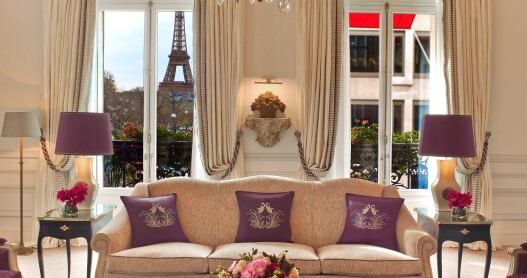
There’s nothing dreamier than a room with a view, and these luxurious hotels are perfectly positioned to give you the best views of some of Europe’s most memorable sights.
RESOURCES TO HELP PLAN YOUR TRIP
Journeys: Cruise
Embark on a seven-night journey along the majestic Danube River exploring historic cities, stunning landscapes, and cultural treasures in Budapest, Vienna, Slovakia, and beyond.
In the past decade or so, Budapest’s restaurant scene has broadened beyond goulash and stuffed cabbage, with trendy new venues serving both a wider variety of international cuisines and elegant, innovative takes on traditional Hungarian fare.
Opened as the Grand Hotel Royal in 1896, the luxurious Corinthia Hotel has a long and storied past. It was here that the first film was ever screened in Budapest, and the building weathered fires and war before relaunching in its most recent incarnation in 2004. Travelers who really want to learn about the hotel’s history can take one of two weekly tours with manager Tibor Meskál, who has worked on and off here since 1961. Though the original interiors were demolished long ago, the property nevertheless retains a regal atmosphere. Italian limestone, Spanish marble, and gilded molding lend a sense of grandeur in the Grand Ballroom, a marble lobby is accented with swirling golden filigrees in the flooring, and guest rooms feature warm wood furnishings and creamy palettes. Even the leisure facilities skew toward the opulent: the courtyard-style indoor swimming pool is topped with a stunning stained-glass ceiling.
Opened in 2015, this colorful spot from NYC-based The Library Collection celebrates music—and music lovers. Set in the historic city center, near pedestrian dining and shopping streets, the restored 19th-century bank now houses 48 rooms and suites spread over four genre-themed towers. Each accommodation is named for musical legends in that theme, so think names like Puccini in the Opera tower, Billie Holliday in Jazz, Prince in Contemporary, and Chopin in Classical. The decorative style and details vary slightly depending on the genre (Classical rooms have Murano glass chandeliers, for example, while Jazz ones have Art Nouveau-inspired furniture), but aside from caricatures of the featured artists and related books and CDs, the vibrant décor isn’t kitschy or themed. Instead, guests can expect luxurious comforts like high-end (and customizable) bedding, home theater-grade entertainment systems (linked to a digital music library), onyx-lined bathrooms, and Handy 4G phones for complimentary international calling.

Downstairs, the glass-roofed Music Garden courtyard is the place for breakfast, daily afternoon wine and cheese hour, and live music performances (all complimentary), while the fireplace- and terrace-equipped Satchmo’s lounge pairs cocktails with jazz, and the Stradivari Restaurant serves Hungarian-inspired farm-to-table menus amid strikingly bold décor. The underground Harmony Spa relaxes with holistic therapies, a heated pool, and saunas and steams rooms, while the rooftop High Note Sky Bar—open year-round—has become one of the hottest hangouts in town for its spectacular views (get there early to snag one of the floating “love nest” seating nooks). Don’t miss a visit to the lobby-level office of the in-house Musical Director, who can help plan itineraries, source tickets, create city-themed playlists, or lend you a concert DVD to watch in the hotel’s private screening room.
With six thermal pools, a large swimming pool, a wellness area, and an oft-Instagrammed rooftop jacuzzi, Rudas has been a full-service spa bathhouse since its restoration and renovation in 2014. Its center, however, reveals a centuries-long history: the octagonal pool under a domed ceiling and surrounded by old stone vaults and pillars, dates to 1550, the Ottoman occupation of Budapest, and is thus literally steeped in history. Though it initially only served men, Rudas now separates genders on weekdays (Tuesdays are for women) and offers coed bathing on weekends. Tip: single-gender bathing can be fabulously pressure-free and almost spiritual; Rudas is the only place that this is still possible. And Fridays and Saturdays, Rudas stays open until 4a.m. Tickets can be booked online.
One of Budapest‘s Michelin-starred restaurants, this blend of a French-style bistro and a contemporary boite offers new takes on traditional Hungarian cuisine in an airy, elegant dining room. Ingredients in dishes like piglet shoulder with black pudding and chestnut, are sourced locally or come from nearby regions in Central Europe. The name Winekitchen is by no means an afterthought—the restaurant’s concept is based on a vast and broad list of 200 largely Hungarian wines (48 of them available by the glass), perfect food presentation, and an elegant, professional atmosphere that makes any foodie want to linger.
Nothing’s more romantic than strolling across a bridge with a beloved, but this bridge means more than just amor—Széchenyi Chain Bridge was the first structure across the Danube in Hungary, built in the mid-1800s and, as a suspension bridge, a marvel of architecture and engineering at the time. Now one of seven bridges across the river, it was the first to connect Buda and Pest, shifting the flows and development of the city. Budapest natives see it like New Yorkers see the Brooklyn Bridge. Lion sculptures guard its entries, it’s lit up at night to dazzling effect, and of course it offers stunning views of the literally blue Danube.
Known as the Palace of Arts until 2015, the modern, glassy cultural center Müpa opened in 2005 and is the premier venue in the Hungarian capital to take in cutting-edge jazz, dance, art, and more. The Bela Bartok National Concert Hall is within, as is the Ludwig Museum of Art and the Festival Theater. The building was designed to be a technical wonder for cultural production—the acoustics in the concert hall are especially lauded, and the organ in the concert hall is one of the largest such instruments in the world. See top international acts as well as Hungarian stars perform here, including the Hungarian National Philharmonic.
It’s an unforgettable experience: Getting up at the crack of dawn in mid-winter, walking through the large municipal park on the Pest side of town, checking in to the Széchenyi Thermal Bath (mostly with Hungarian pensioners because tourists usually arrive later), and slowly easing into one of its three large outdoor hot spring pools, surrounded by the golden yellow neo-Baroque palace—built in 1913 for the baths—while old men playing chess in the water. Then watch as the sun rises slowly, and your breath dissipates into the cold, crisp air. The spa has 15 indoor baths, too, as well as 10 saunas at various temperatures. This spa isn’t about being posh, it’s about easing into the kind of everyday self-care that Hungarians have known and avidly practiced for centuries. Just join them.
The Hungarian outpost of beloved Parisian hotel/restaurant/record label Buddha-Bar may be housed in the neo-baroque Klotild Palace building, in the heart of Váci Street’s pedestrianized shopping district, but the decor is as trendy as you might expect. Influenced by Asian motifs, the lobby and common areas feature dark wood, red patterned wallpaper, and brassy accents; the concept continues into luxurious rooms and suites, the nicest of which have balconies with city views. Of course, the star attraction here is the Buddha-Bar Lounge, where DJs spin global beats every night while chic Budapesters and visitors alike sip on cocktails and snack on sushi. For travelers who would rather find other paths to enlightenment, there’s a spa with sauna, steam baths, hot and cold pools, and a Roman-inspired tepidarium.