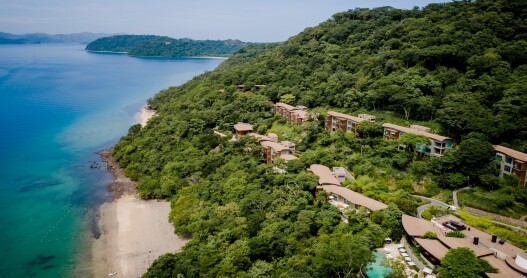
Costa Rica

Costa Rica is a small Central American nation that shelters nearly six percent of the world’s biodiversity. Expect to see gorgeous orchids, colorful birds and butterflies, howler monkeys, and maybe even the elusive margay, a spotted nocturnal cat that lives in the rain forest. In addition to natural beauty, there’s a lot to love about a place that hasn’t had an army since 1949. Costa Rica’s Ticos (as locals are called) have managed to avoid the conflicts that have devastated neighboring nations.

Costa-rica-KatieOrlinsky.jpg

Photo by Katie Orlinsky

Overview

Can’t miss things to do in Costa Rica

Most visitors come to Costa Rica for nature. Twenty-five percent of the country is protected, and most natural areas are easily accessible, though some require going off the beaten path. There are 186 areas protected by the National Conservation Areas System, including 32 national parks and 51 wildlife refuges. More than 10 conservation areas are within reach of San José, the country’s capital, alone, and each offers a different nature experience. From the last remaining tropical wet forests in the Mesoamerican Pacific, located in Corcovado National Park, to the stalagmite- and stalactite-filled caves of Tempisque Conservation Area, travelers can see a variety of habitats in one trip. As for accommodations, there are plenty of options for roughing it, but Costa Rica also features upscale resorts where you can retreat and recharge after a day outside.

Food and drink to try in Costa Rica

Local food is a way of life in Costa Rica. Corn, beans, and root vegetables are grown here and find their place on most Tico tables. Start the day with locally produced coffee, served alongside such Costa Rican fruits as pineapple, cashew fruit, and sapote. Don’t be surprised by the heaping portions of gallo pinto, a rice and bean dish served any time of day. At breakfast, it’s usually accompanied by an egg, tortilla, and thick slice of farmers’ cheese. Plantains and meat often join gallo pinto at lunch and dinner. Costa Rican food is not spicy; if you need an extra pop of flavor, splash a dash of the local favorite Lizano Sauce (akin to HP Sauce) on your meal.

Culture in Costa Rica

Costa Rica is an anomaly in Central America. Like its neighbors, the country traces its cultural heritage back to indigenous groups that occupied the land before the Spanish colonial period, but its modern history is quite distinct. Political choices to embrace democracy, abolish the national army, and protect rather than develop its natural assets have put the country in an economic and social position in which the quality of life here generally exceeds that of most Central American countries. Costa Rica has repeatedly been designated among the happiest countries in the world by international development researchers. Visitors come from around the world to discover the secret of pura vida, or pure life.

Shopping

Unlike most of its Central American neighbors—most notably Guatemala, which offers one of the region’s largest markets, Chichicastenango—Costa Rica does not have a thriving handicraft culture. However, there are a few Costa Rican goods worth taking home—such as hammocks, jewelry made of fruit and tree seeds, and non-perishable food products like homegrown coffee and the popular Lizano Sauce. In Costa Rica, your money is best spent on epic experiences, from hiking and zip-lining to exploring caves and active volcanoes. Those memories will last longer than any souvenir.

Practical Information

  • Costa Rica has several international airports. Most visitors fly into San José, the capital, or Liberia.
  • Costa Rica’s official language is Spanish, and the currency is the colón. Credit cards are widely accepted.
  • When you leave the country, you will be required to pay a U.S. $29 departure or exit tax; many airlines include the fee in their ticket prices.
  • Voltage and plugs are the same as in the United States.

Guide Editor

Julie Schwietert Collazo has been a bilingual freelance writer, editor, and translator for the past 10 years and loves (almost) every minute of it, but tells people if she could have any other job, it would be a gig as a Mexico City evangelist. The Mexican capital is her former home and the first place she always wants to go when she gets on a plane. Read more at collazoprojects.com and Cuaderno Inedito.

READ BEFORE YOU GO
HOTELS
Waldorf Astoria opens in Costa Rica with rainforest views, spa rituals centered on Indigenous healing practices, and ambitious sustainability goals—while navigating the scale of a nearly 200-room property.
Occupying a peaceful corner of Costa Rica’s biodiverse Peninsula Papagayo, the new Nekajui, a Ritz-Carlton Reserve, lets travelers commune deeply with nature and local culture.
If health is the new wealth, then Blue Zones travel offers one of the most immersive get-rich-quick schemes on Earth. Afar takes a closer look at a program at Andaz Costa Rica at Peninsula Papagayo.
At these rental properties around the world, you can commune with wildlife and farm animals.
The best way to embrace the country’s pura vida is by staying in one of these nature-surrounded rental properties.
From the Swiss Alps to the Brazilian rain forest, these Airbnbs are worth booking just for the views.
The world’s best beach resorts put cultural and environmental preservation front and center.
Located on the green Osa Peninsula, this resort offers a comfortable base for nature-filled adventures.
RESOURCES TO HELP PLAN YOUR TRIP
It’s diminutive, to be sure, but “Little Grape Island” has a big claim to historical fame: Christopher Columbus landed here in 1502, anchoring his ships for repairs. Since then, a lot has happened (and been rumored to have happened) on this now-uninhabited island. It even once served as a quarantine site during a leprosy outbreak. Today, it’s an easy and interesting day trip for beach lounging, surfing and hiking. Take a boat over to the quiet spot and play modern-day explorer, keeping an eye out for colorful bird and fish species.
Adventure travelers who want to experience the pura vida of this Central American country can choose from zip lines, scuba diving, horseback excursions, and more
Looking for authentic souvenirs of Costa Rica to bring back home? Kúkara Mákara offers a great selection of items, all 100 percent artisanal and officially Costa Rican. Its name—an allusion to children’s nonsense songs—hints at the relaxed, jovial mood inside the shop. The inventory changes constantly, so surprise is the order of the day. Recently we spotted original dolls, key chains, jewelry, satchels, handbags, decorative pillows, and objects made from recycled or repurposed materials. There’s also a small café that serves fresh, healthy fare.
Besides Poás’s impressive volcano, this beautiful region is home to cozy down-home restaurants. One standout is Freddo Fresas, named for the strawberries (fresas) that constitute the region’s principal crop. Diners here enjoy tasting local specialties such as hand-thrown tortillas, chorreadas (a sweet-corn pancake iteration), tamales, bean empanadas, and other rustic yummies. Their strawberry-based desserts—fashioned from fruit just picked from the restaurant’s garden—are a must. Never too acidic or overly sweet, the perfect berries are like nothing you can get at your hometown supermarket. Try fresh strawberry juice or eat the fruit in the Costa Rican mode, i.e., with condensed milk or melted chocolate.
Get down and dirty on an unforgettable spelunking experience at the Venado Caves, 45 minutes from La Fortuna. The caves were formed some 15 to 20 million years ago by tectonic shifting and erosion from underground streams. In them, you’ll see stalagmites and stalactites galore, and get the chance to check out colorful frogs and fascinating marine fossils and learn about the bat communities hanging right over your head. The experience is real (and really humid)—so wise adventurers bring insect repellent, knee pads, and an extra change of clothes. Waterproof your camera, too.
Restaurante Whapin is a great option for getting to know—and love—authentic Caribbean cuisine, with its unusual spices and unmistakable coconut infusions. A yummy snapper, Cahuita-style, does plenty to breach the distance between San José and the Caribbean. And that’s what good eating is all about: building bridges to the world’s farthest corners, one delicious bite at a time.
This Madrid-style tavern specializes in Spanish as well as Italian, Lebanese, and Mediterranean tapas. Like many other spots in Barrio Escalante, Olio is known for its lively atmosphere—yet not so lively you can’t carry on a conversation. Its exposed-brick walls and eclectic decor lend it a particular warmth. The restaurant is also famed for cocktails, European wines, and fusion sangrias in locally inspired flavors like pineapple or watermelon.
A shared love for southern Italian comfort food and a chance encounter in the supermarket drew chefs Antonio d’Alaimo and Ciro Genova into this gastronomic venture. The Italian duo, known to everyone as Ciro and Tony, personally welcome every guest to their small dining room. The menu features, among other things, veal marsala, snapper in wine sauce with fresh tomato and laurel, and tortellini Alessandro (pasta stuffed with chopped ham and cream). A wide-ranging wine list and tempting dessert menu help round out the evening.
World of Hyatt, AFAR, and No Barriers USA are helping Chicago-area students experience life-changing travel this summer. Here’s a look at what’s in store!
It’s a whole new take on artist-in-residence programs.