
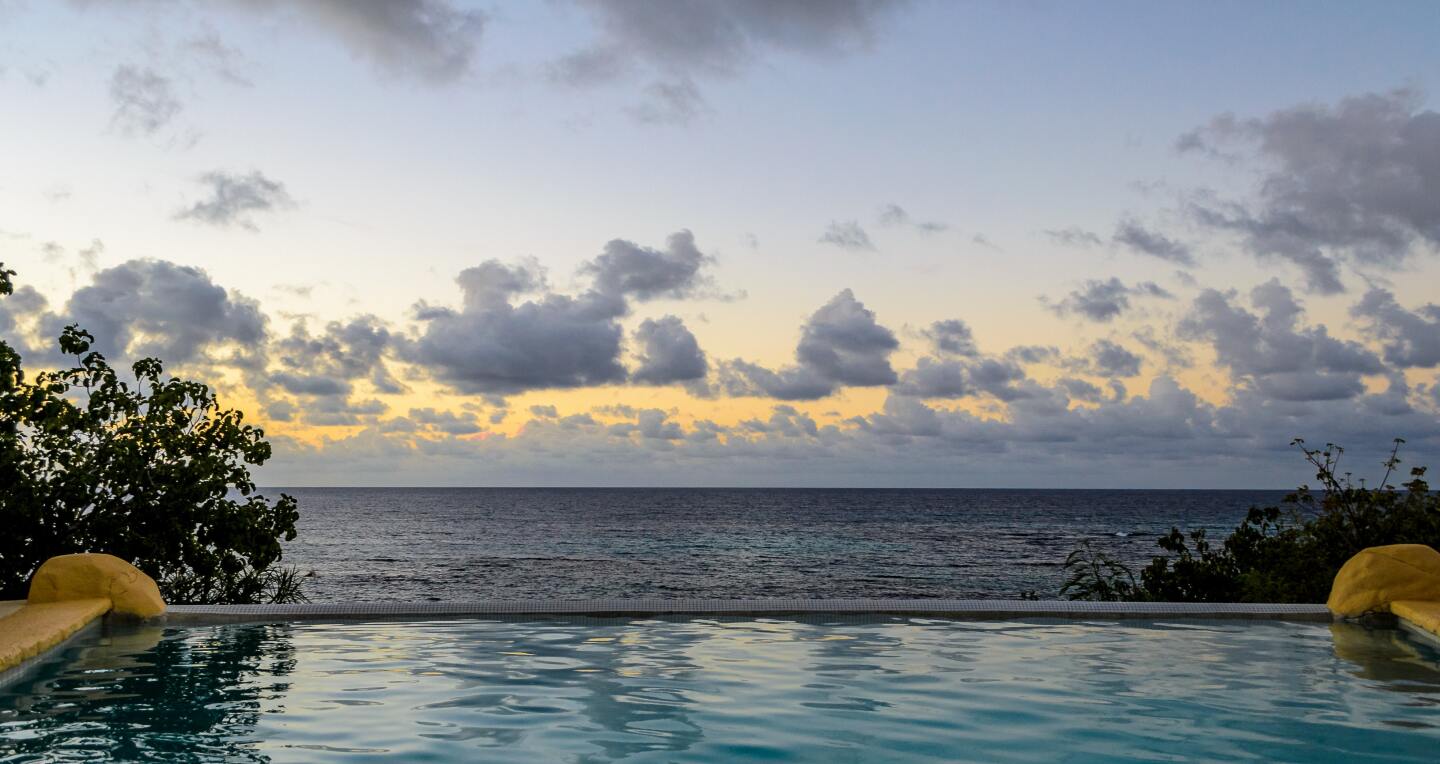
Anguilla

The beaches are some of the most gorgeous in the world, but even the biggest, widest, whitest stretches of sand never seem to attract many people, and those tucked away in secluded coves can make you feel like you’ve found a private paradise. When the appeal of seclusion has run its course, reemerge to dine with the locals on barbecued chicken, ribs, and lobster, or sign up for a cooking class to learn Anguilla’s culinary secrets. Thrilling music festivals like Bankie Banx’s Moonsplash keep the sleepy island rocking all night long.

Anguilla

Photo by Steve Adams/Unsplash

Overview

Can’t miss things to do in Anguilla

This tiny, sandy Caribbean bump—located a few miles away from bigger, busier St. Maarten—boasts breathtaking beaches, excellent snorkeling and diving, offshore cays that can be yours for the day, and charter sail companies that can put you in charge of the open ocean. Out of the water, discover historical landmarks like the fully intact Wallblake House (a plantation house that is now a cultural center) and the Old Salt Factory and Pumphouse. The Anguilla Summer Festival’s main attraction is the round-the-island boat race, an event which draws visitors from all over the world.

Food and drink to try in Anguilla

Anguilla’s staple foods come from the sea, while preparation methods, ingredients, and cooking styles have been influenced by Caribbean, English, West African, Spanish, and South American cuisines. Menus across the island feature lobster, crayfish, conch, mahimahi, snapper, grouper, and more. While salted cod is ubiquitous and found in numerous iterations, pigeon peas and rice is the national dish. Geographic size and harsh grazing conditions limit the number of livestock the island can sustain; goat is therefore the most popular meat, though most restaurants will serve imported beef, pork, and poultry.

Culture in Anguilla

Anguilla, a British Overseas Territory, was first inhabited thousands of years ago by Carib peoples who migrated north from South America; it was colonized by the English in the 17th century. Anguilla has had close ties to the West ever since, with cuisine, language, and even music influenced by the British relationship. Festivals and holidays are an important part of life in Anguilla; the Summer Festival celebrates emancipation, while the increasingly popular Moonsplash is a showcase for many local musicians. The island’s religious history is on display at over a dozen Christian churches, some of which have stood since the early 19th century.

Shopping

You won’t find any big outlet malls, duty-free boutiques, or international names on Anguilla—for that, take the short ferry ride to Marigot on nearby St. Maarten. What you will find on Anguilla are locally owned outfits that sell Caribbean handcrafts and artwork, and traditional Anguillan clothing. ZaZAA in Shoal Bay East stocks colorful island-wear such as striking caftans and lightweight kurta shirts; Cheddie’s Carving Studio features dramatic driftwood sculptures; and the Stone Cellar Art Gallery, housed in a former cotton gin from the mid-19th century, hosts rotating art exhibitions and the woefully underrated Sir Roland Richardson’s Caribbean impressionist paintings.

Practical Information

Temperatures on Anguilla remain largely constant throughout the year, at about 80 degrees. Accommodation prices skyrocket during the November–February peak season. Hurricane season begins in June but doesn’t usually bring severe weather until September. Visas are not required for visitors from North America. Anguilla’s international airport services small aircraft; it’s a good idea to land in nearby St. Maarten and take the 25-minute ferry ride to Blowing Point. A $20 departure tax is payable at the ferry terminal or airport. ATMs can be found in large hotels and in The Valley, Anguilla’s capital; U.S. dollars are accepted everywhere. A 15% service fee is added to most restaurant bills and extra tipping is not required.

Guide Editor

READ BEFORE YOU GO
HOTELS
Whether you’re traveling with toddlers, teens, grandparents, or in-laws, these Caribbean retreats offer a balance of ocean and cultural adventures, plus endless opportunities for play.
RESOURCES TO HELP PLAN YOUR TRIP
Exploring Anguilla’s multiple beaches is an adventure in itself, with each one offering a distinct atmosphere and activities. But there’s also lots to do away from the white sand—you can delve into the island’s history, hike the rocky eastern edge, and shop for local crafts.
Photographer Wayne Lawrence captures the raw and vivid predawn revelry of J’ouvert.
Devastating storms in 2017 wrought havoc on the Caribbean. But thanks to local efforts, the people of Anguilla have cleaned their beaches and rebuilt their businesses—and they’re ready for you to join them.
One year after hurricanes Irma and Maria caused widespread destruction on numerous islands, the region is gearing up for the high season with renovated properties that sparkle like the surrounding sea.
The CuisinArt Resort will open its brand-new soilless farm on November 1, hoping to draw food lovers back to the island.
If you’re a major foodie, or if you just want a romantic dinner night, Veya is one of the best picks on Anguilla. Set above Sandy Ground, this home-turned-restaurant serves up Caribbean fusion food in a Moroccan-style lounge, and outdoors on a veranda. The breeze, the candlelit atmosphere, the live music—not to mention the menu (which the restaurant describes as “cuisine of the sun”)—more than make up for not being directly next to the sea. Expect unusual dishes like Moroccan-spiced shrimp “cigars,” grilled jerk-spiced tuna with a rum-coffee glaze, and risotto with basil goat cheese, or try the five-course chef’s tasting menu. Veya is also known for whipping up the best desserts on Anguilla, and the list of options is long.
Consistently ranked among the world’s top beaches, and easily among the most popular and visited ones in Anguilla, the white and light pink sands of Shoal Bay host a casual and social atmosphere, with a plethora of bars and eats. The bright turquoise water is what Anguillan dreams are made of; water-sports options abound, from snorkeling right off the beach to parasailing and diving. Weekends get busy, with families flocking here and music echoing along the strand, especially from Gwen’s Reggae Grill. But if you just want to rent a chair and relax for the day, you can normally find a spot of Shoal Bay to call your own.
Anguilla’s most social beach is full of local flavor. From visiting boats to residents who flock here for the best island-style bar-and-nightlife atmosphere—home to Johnno’s, Elvis’ Beach Bar, and the Pumphouse—there’s never a dull moment on Sandy Ground’s long, soft strand. The water here is calm, making it an ideal stretch of sand for families as well. Sandy Ground is also the site of Anguilla’s August Monday, the most important day of the summer carnival season, when the entire country seems to be in the same location to celebrate J’ouvert: some folks on the beach, some on boats blasting music. By 1 p.m., the August Monday sailboat race kicks off—the first round of qualifying for the final carnival boat race at week’s end.
Said to be the oldest structure on the island, Wallblake House is also the only surviving 18th-century plantation home that has been restored and that can be toured. Located in the Valley, capital of Anguilla, the 1787 property was once part of a 97-acre sugar and cotton plantation. Bestowed to the Catholic Church in 1976, it was abandoned until it was finally refurbished in 2004. The main home, which suffered a fire at the hands of the invading French forces, and the outbuildings are intact in design. Though the house is currently used as a rectory, tours can be arranged by emailing in advance.
As the region continues to recover from hurricanes Irma and Maria, find out which islands are ready to welcome travelers—and which ones aren’t. Updated February 2018.