
Anguilla

The beaches are some of the most gorgeous in the world, but even the biggest, widest, whitest stretches of sand never seem to attract many people, and those tucked away in secluded coves can make you feel like you’ve found a private paradise. When the appeal of seclusion has run its course, reemerge to dine with the locals on barbecued chicken, ribs, and lobster, or sign up for a cooking class to learn Anguilla’s culinary secrets. Thrilling music festivals like Bankie Banx’s Moonsplash keep the sleepy island rocking all night long.

Anguilla

Photo by Steve Adams/Unsplash

Overview

Can’t miss things to do in Anguilla

This tiny, sandy Caribbean bump—located a few miles away from bigger, busier St. Maarten—boasts breathtaking beaches, excellent snorkeling and diving, offshore cays that can be yours for the day, and charter sail companies that can put you in charge of the open ocean. Out of the water, discover historical landmarks like the fully intact Wallblake House (a plantation house that is now a cultural center) and the Old Salt Factory and Pumphouse. The Anguilla Summer Festival’s main attraction is the round-the-island boat race, an event which draws visitors from all over the world.

Food and drink to try in Anguilla

Anguilla’s staple foods come from the sea, while preparation methods, ingredients, and cooking styles have been influenced by Caribbean, English, West African, Spanish, and South American cuisines. Menus across the island feature lobster, crayfish, conch, mahimahi, snapper, grouper, and more. While salted cod is ubiquitous and found in numerous iterations, pigeon peas and rice is the national dish. Geographic size and harsh grazing conditions limit the number of livestock the island can sustain; goat is therefore the most popular meat, though most restaurants will serve imported beef, pork, and poultry.

Culture in Anguilla

Anguilla, a British Overseas Territory, was first inhabited thousands of years ago by Carib peoples who migrated north from South America; it was colonized by the English in the 17th century. Anguilla has had close ties to the West ever since, with cuisine, language, and even music influenced by the British relationship. Festivals and holidays are an important part of life in Anguilla; the Summer Festival celebrates emancipation, while the increasingly popular Moonsplash is a showcase for many local musicians. The island’s religious history is on display at over a dozen Christian churches, some of which have stood since the early 19th century.

Shopping

You won’t find any big outlet malls, duty-free boutiques, or international names on Anguilla—for that, take the short ferry ride to Marigot on nearby St. Maarten. What you will find on Anguilla are locally owned outfits that sell Caribbean handcrafts and artwork, and traditional Anguillan clothing. ZaZAA in Shoal Bay East stocks colorful island-wear such as striking caftans and lightweight kurta shirts; Cheddie’s Carving Studio features dramatic driftwood sculptures; and the Stone Cellar Art Gallery, housed in a former cotton gin from the mid-19th century, hosts rotating art exhibitions and the woefully underrated Sir Roland Richardson’s Caribbean impressionist paintings.

Practical Information

Temperatures on Anguilla remain largely constant throughout the year, at about 80 degrees. Accommodation prices skyrocket during the November–February peak season. Hurricane season begins in June but doesn’t usually bring severe weather until September. Visas are not required for visitors from North America. Anguilla’s international airport services small aircraft; it’s a good idea to land in nearby St. Maarten and take the 25-minute ferry ride to Blowing Point. A $20 departure tax is payable at the ferry terminal or airport. ATMs can be found in large hotels and in The Valley, Anguilla’s capital; U.S. dollars are accepted everywhere. A 15% service fee is added to most restaurant bills and extra tipping is not required.

Guide Editor

READ BEFORE YOU GO
HOTELS
Whether you’re traveling with toddlers, teens, grandparents, or in-laws, these Caribbean retreats offer a balance of ocean and cultural adventures, plus endless opportunities for play.
RESOURCES TO HELP PLAN YOUR TRIP
These luxurious, intimate ships and itineraries are AFAR’s top picks for exploring the region.
What happens when luxury travelers show up as their full queer selves in places that don’t condone homosexuality?
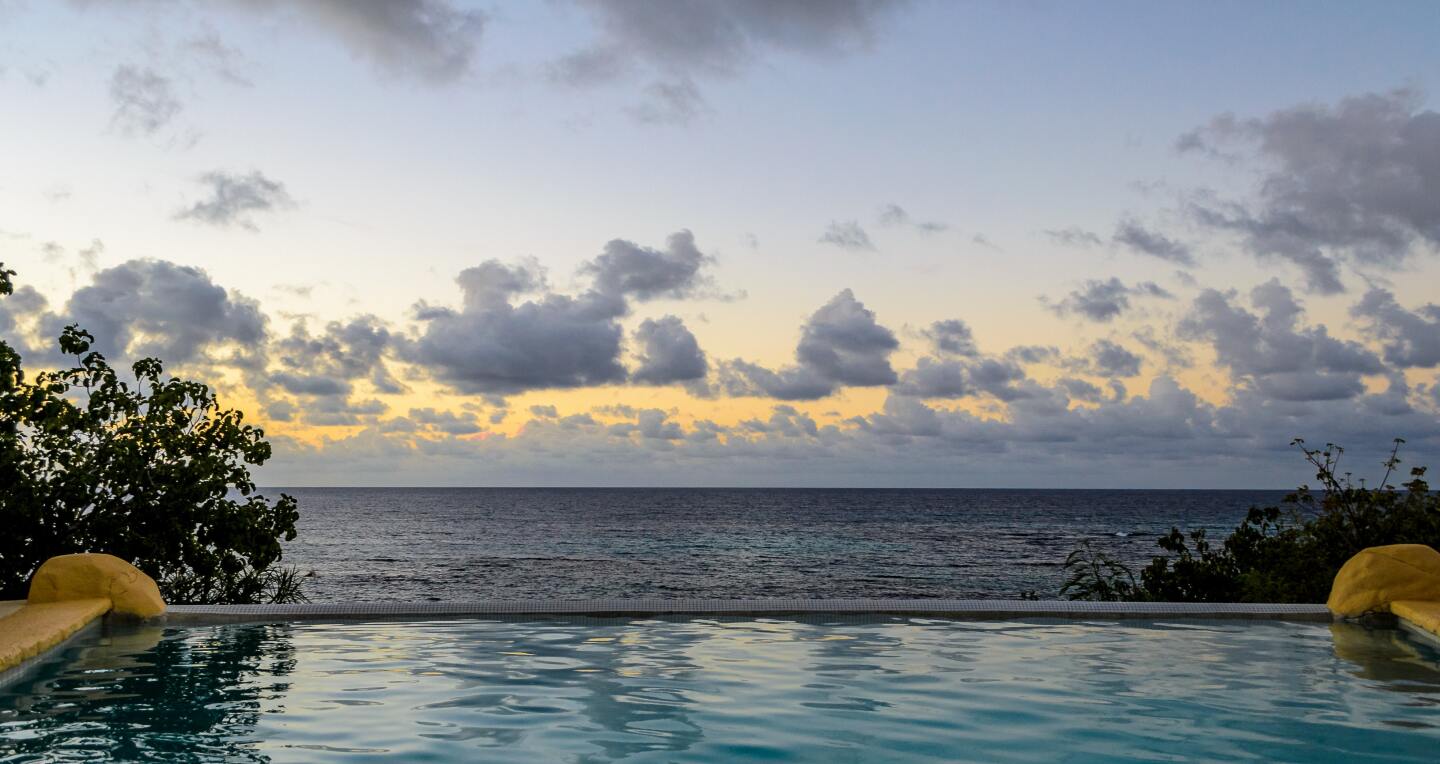
Located on a craggy cliff jutting between Meads Bay and Turtle Cove Beach, Malliouhana has views of the glittering aquamarine sea that will hypnotize guests from the moment they arrive to its chic porte cochere. The bright, cerulean open-air lobby with mirrored mosaic-tile flooring tumbles out to a deck where tiered infinity pools are punctuated by ruffled yellow umbrellas, and a cliffside restaurant serves fresh seafood and farm-to-table fare. Built in 1984, this is Anguilla’s original luxury resort, which reopened in December 2018 after a complete restoration following Hurricane Irma. While guests may find it hard to take their eyes off the dazzling Caribbean, the 46-room boutique hotel’s interior design offers its own portal to the sublime with an aesthetic that can best be described as tropical eclectic. Guest rooms are painted sorbet yellow or robin’s-egg blue and feature white lacquer four-poster beds, mural panels by Haitian artist Jasmin Joseph, Venetian glass lamps, and sea-green marble bathroom vanities. All of this somehow swirls together for a look that’s both regal and untamed. Beyond the rooms, guests can look forward to an extended pool deck with fresh cabanas, as well as the Bar Soleil, which offers a prime spot to watch Anguilla’s famous sunsets.
Canada opened to vaccinated Americans in August, and numerous European countries changed their entry requirements in September. Here’s the complete list.
Meat lovers flock to Ken’s BBQ, the most popular outdoor grill on the island. Located in a line of stalls across from the market in The Valley, this informal spot prepares and serves up barbecue pork and chicken in typical island style. Ask any Anguillan and you’ll learn that Ken’s are best ribs in the land, probably because Ken raises all the animals for his farm-to-grill operation. Options for sides include french fries and garlic bread. For a tasty meal at under $10 per person, it’s a no-brainer.
Finding a fun bar that’s popular with locals is almost a travel imperative: While hotel bars have their charms, local bars offer travelers a way to explore a destination through its people. This beach bar at the heart of Sandy Ground fits the bill. Mellow by day, the vibe picks up at night, with dancing out on the sand, occasional live music and DJs, plus famous full-moon celebrations. On Sunday afternoons, grab a fish taco and a beer and join the crowd watching the football or basketball game on the huge outdoor screen.
Sometimes the best way to cool down in the Caribbean is to heat things up! And nothing spells relief like a dip in the Ani Villas hot tub – perched on the edge of a cliff overlooking secluded Little Bay Beach, Anguilla.
One of Anguilla’s most secluded beaches, Little Bay is tucked beneath a series of bluffs on the island’s northwest. Usually reached by boat or kayak from Crocus Bay, this tiny, undeveloped stretch of sand hugs a cove with calm turquoise waters filled with small tropical fish, sea turtles, and starfish. Bring drinks and snacks, rent gear from Da Vida Restaurant, and kayak (or boat taxi) over in the morning to avoid the crowds and spend a couple of blissful hours away from it all.
Many Caribbean islands (Anguilla included) are made primarily of limestone. Over many thousands of years, caves often form in this type of rock speckling the islands with tons of little caves to explore. On Anguilla there are plenty to explore, but the hike to the Iguana Cave is particularly pleasant. It starts on the quiet and isolated sands of Katouche Bay Beach just past the Masara Resort. It’s pretty much due West of the capital of The Valley and very easy to find. The only awkward part is the very steep road that descends the last mile toward the shore. There you should find a gap in the sea grape trees. Staying on this path will take you past a salt pond, through a forest crawling with hermit crabs, up an old stone staircase, through a grove of cactus, past the occasional red-footed tortoise, and finally to the cave. Going at an easy pace, the hike clocks in at around 45 minutes up and 45 minutes back. For the most part, it’s pleasant and I highly recommend it as a way to break up a bounty of beautiful beach days.
In an all-white open-air dining room that spills out onto the sand overlooking Meads Bay on Anguilla’s west end, Jacala serves just 35 guests a night. Chef Alain Laurent’s French-inspired menu includes dishes such as fennel-spiked conch chowder, snapper meunière, and a steak tartare prepared tableside upon request.