Vietnam

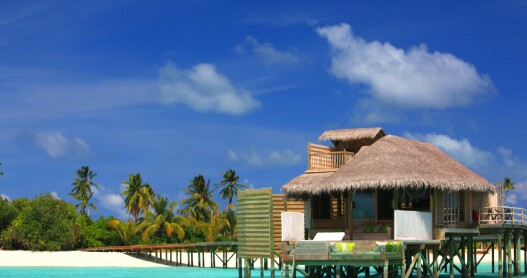
The Vietnamese countryside can feel like an impossibly beautiful place, with rice paddies extending in every direction, or at least up to the highlands, a mountain chain often shrouded in blue mist that forms the western spine of the country. The eastern side of Vietnam faces the South China Sea, with palm-lined beaches and islands that are emerging as popular resort destinations. You may also be surprised by the length of the country—at roughly 1,025 miles, it’s longer than California, and offers a surprising variety of destinations from bustling Ho Chi Minh City (Saigon) in the south to Hanoi in the north, with countless historic sites and natural wonders between the two. Halong Bay has left poets and painters—and travelers—in awe for centuries, while the country’s hill stations provide cool, literally, escapes.

Vietnam Has Reopened Borders to All Travelers

Photo by Nguyen Quang Ngoc Tonkin/Shutterstock

Overview

When’s the best time to go to Vietnam?

Given Vietnam’s enormous length, it can be difficult to pick a perfect time of year if you want to visit the entire country with the southern and northeastern monsoons impacting different regions at different times of the year. The safest months, however, are in the fall (September to December) and spring (March and April). The north of the country, and the highlands generally, can be cold in the winter while lower areas can become sweltering hot, and wet, in the summer.

How to get around Vietnam

Vietnam’s train service is dependable if not glamorous, and a good way to travel the length of the country. The journey from Ho Chi Minh City to Hanoi takes about 30 hours in all, though you will most likely want to stop en route at Hoi An, Hue, Da Nang, or other cities along the coast. If you prefer the freedom of your own car, hotels and travel agents can assist with hiring one with a driver. Given the relative cheapness of taxis, there’s little need to attempt to navigate the public transportation systems of Vietnam’s cities.

Can’t miss things to do in Vietnam

The must-see sites in Vietnam includes its two major cities. Ho Chi Minh City (Saigon) is the bustling, brash and buzzing metropolis of the south, which even 40 years after unification remains the country’s economic powerhouse. Hanoi, in the north, is the country’s capital and relatively more sedate. It has also managed to preserve more of its historic districts and buildings. Halong Bay is a can’t-miss-sight not just for Vietnam, but for the world generally. The UNESCO World Heritage Site has thousands of islands and karst formations that create an otherworldly seascape. Vietnam’s smaller cities like Hoi An and Hue provide relaxed and atmospheric counterpoints to the country’s metropolises and compared to the other parts of Southeast Asia, many of Vietnam’s beach resorts have yet to be overwhelmed by mass tourism.

Food and drink to try in Vietnam

In recent years, Vietnamese cuisine has made inroads around the world, with pho, banh mi, and other dishes are now familiar to diners far from the country. Given that Vietnamese cooking emphasizes fresh ingredients, however, there’s no comparing a banh mi served in Brooklyn or Berlin to one prepared using cilantro from a stand’s own garden and fish straight the sea. In Vietnam’s major cities, you’ll find a range of international restaurants and whether you are in the mood for pasta, sushi, or Chinese noodles, you won’t go hungry. The French influence in Vietnam extends to its food, and you’ll find excellent baguettes and pastries throughout the country.

Culture in Vietnam

Many of Vietnam’s cultural highlights are architectural: the Champa ruins at My Son; the 16th-century buildings of Hoi An, reflecting Japanese and Chinese influences; and boulevards, churches, and theaters constructed by the French and found throughout the country, though many are increasingly threatened by development. There are, however, other cultural highlights from water puppetry performances to the textiles and crafts created by Vietnam’s indigenous peoples.

Guide Editor

Singapore-based writer Sanjay Surana has traveled extensively in Vietnam and throughout Southeast Asia.

READ BEFORE YOU GO
HOTELS
At these properties, the children’s programming goes far beyond basic caregiving services with immersive experiences that offer younger guests a deeper look into culture, nature, sustainability, and even themselves.
The world’s best beach resorts put cultural and environmental preservation front and center.
RESOURCES TO HELP PLAN YOUR TRIP
With a fantastic location by Hoan Kiem Lake and some of the best-prepared Vietnamese food in the Old Quarter, this stylish venue is onto a winner. The dishes here are very much old-style Vietnamese. There are no bells and whistles or attempts at fusion, but down-home creations such as pork steamed in coconut, fried tofu with lemongrass, and shrimp in chili sauce are right on the money.
Inspired by the cooking of his wife’s grandmother, Madame Hien is chef Didier Corlou’s attempt at upscale but unfussy Vietnamese cuisine. Set in the former Spanish embassy, it is a beautiful spot for both lunch and dinner, with the outside courtyard in particular providing refuge from Hanoi‘s busy streets. Dishes, meanwhile, run the gamut from traditional classics to Corlou’s “New Hanoi” creations, adding exotic twists to familiar French and Vietnamese staples.
Unlike many of the cookie-cutter Vietnamese restaurants in Hanoi, there’s a good reason why many tour groups are brought here for their lunch. There are a la carte menus on offer, but most guests prefer to opt for the “popular” meal, which involves pointing at steaming vats containing things like Chinese braised pork and fat juicy ribs.
Vietnamese food is widely regarded as one of the world’s healthier cuisines. There’s nothing particularly holistic or nutritious about this traditional favorite however. A local variant on steak and eggs, the dish is a calorific wonder. Steak is sautéed in butter on a sizzling platter, an egg is added and some hot-dog style sausages complete the picture. Mop it up with a banh mi baguette and wash it down with a glass of potent coffee.
Part exhibition space, part cafe-bar, this gallery is housed in a gorgeous early 20th century villa and is one of the main hubs for Hanoi‘s small but robust art scene. Works by emerging and established Vietnamese artists are shown throughout the airy interior of the villa.
Hanoi is not, by any stretch of the imagination, a pulsing all-night city. People rise early and go to bed early here in the northern hub. Nevertheless, unrepentant night owls aren’t totally neglected. This institution doles out passable western and Asian fare 24 hours a day, meaning that it’s easy enough to soak up all those bias with some quality grub. The coffee is spot-on, while the breakfasts are a thing of legend in Hanoi.
Owned and operated by journalist and raconteur Nguyen Qui Duc, this Hanoi institution is now in its fourth incarnation near the Opera House. Expect a bohemian crowd, an eclectic music policy and a great selection of wine. Among the other strings in Duc’s bow is a talent for furniture making and his bar is a showroom for some of his exquisite handmade items.
You’ll need some sustenance for a busy day, so after observing the early morning action at Hoan Kiem Lake, head to nearby Pho Thin for a warming bowl of Vietnam’s de facto national dish. Hanoians like their beef noodle soup fairly austere and unsullied, but this venue is known for stir-frying its tender strips of beef in garlic before adding the meat to the broth.
Minh’s jazz club is owned by one of Hanoi‘s most famous jazz musicians, Quyen Van Minh. Live jazz, performed by local and foreign musicians, including Minh’s son, is the big draw here.
The French destroyed this famous temple in 1954, but it was lovingly rebuilt and remains a favorite with locals. The structure commemorates the legend of Emperor Ly Thai Tong who originally built the temple way back in 1049. The distinctive single pillar is meant to signify the stalk of the lotus flower, a sacred Vietnamese symbol of purity.