San Diego

San Diego is the birthplace of California and sits just 20 minutes from the border with Mexico. Mild weather, sunshine, and 70 miles of coastline help justify the nickname “America’s Finest City.” Travelers come to San Diego for world famous tourist attractions such as the San Diego Zoo and the beaches, but there’s more to the city beyond the Gaslamp and Pacific Beach. In San Diego’s culturally diverse neighborhoods, you’ll find unique restaurants, breweries, art galleries, and locally owned boutiques. San Diego is built atop undeveloped canyons giving the city’s neighborhoods distinctive boundaries and interspersing the city with open space. The canyons also mean that attractions are a bit spread out.

original-san-diego-banner-crop-2019.jpg

Photo Courtesy of Ganapathy Kumar

Overview

When’s the best time to go to San Diego?

During the months of May and June, known as “May Gray” and “June Gloom,” the sun remains hidden much of the day behind a thin veil of high fog. The hottest months, with temps in the eighties, are August, September, and October, when hillsides are golden-brown. A little rain falls during winter, which is the best time to view the natural landscape at its greenest. The combination of ocean, coastal canyons, and mountains to the east creates a variety of microclimates. A 10-degree temperature difference can occur within as little as 15 miles.

Can’t miss things to do in San Diego

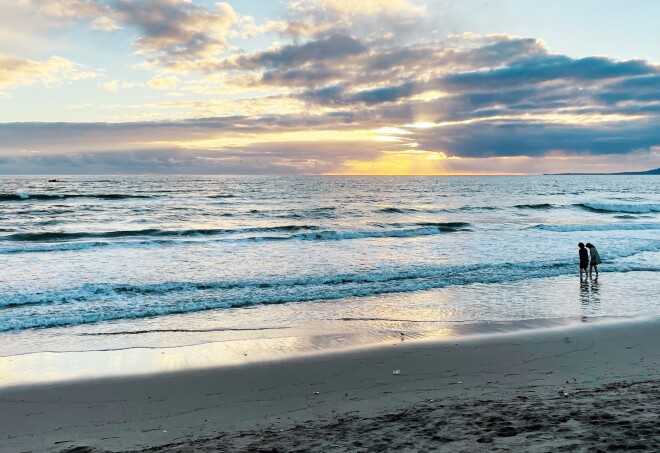
Definitely check out Sunset Cliffs Natural Park in Point Loma. See the crystal waters from the sandstone bluffs. You might feel like you’re in some other country—a beautiful one, for sure.

Food and drink to try in San Diego

The border location plus the influx of Asian immigrants over the centuries means San Diego specializes in Mexican and Asian cuisines. The locavore movement is growing, and many restaurants have been developing relationships with farms just outside the city. You’ll find chef-owned fine-dining establishments, hole-in-the-wall destinations, and dozens of food trucks.

Culture in San Diego

San Diego’s climate and location on the West Coast draw people from all over the world. A variety of cultures are reflected in the shops and restaurants around the city. Each neighborhood has its own feel and style. If you love architecture and hidden treasures, plan to park your car, get out, and walk around!

FESTA!, in Little Italy, is the largest Italian festival on the West Coast. Balboa Park December Nights is a Christmas-themed festival that draws over 350,000 visitors. Restaurant Week happens twice a year—a time to eat gourmet at a great price from more than 170 participating restaurants. The San Diego LGBT Pride fest in Hillcrest draws over 200,000 participants. San Diegans love their festivals, and something is usually happening every month of the year. At these lively events, the trolley offers an easy transportation alternative to parking a car.

Local travel tips for San Diego

- The best time of year is September and October, when the ocean is warm enough for most swimmers to get in the water without a wetsuit, and the hordes of tourists have left.
- Winter is considered “off-season,” so you can get lower hotel rates and still enjoy great weather.
- No matter the time of year, dressing in layers is recommended, as the temperature can change in short distances due to microclimates.
- San Diego’s weather is dry, so carrying water with you is essential!
- The neighborhoods of La Jolla, Ocean Beach, and Pacific Beach have only one main road leading in and out. Avoid visiting around the morning and evening rush hours or you may get caught in a traffic bottleneck.

How to get around San Diego

The San Diego International Airport, formerly known as Lindbergh Field, sits right in the heart of San Diego. Flying in can be a real thrill as the plane passes low over Balboa Park and between buildings.

The San Diego freeway system is laid out in a grid, making it easy to get around by car anywhere in the 372 square miles of city. The trolley is a great choice if you are staying in downtown San Diego, as it stops at many destinations of interest. A machine at each trolley stop accepts cash or credit. Another option is to rent an electric smart car from Car2Go (register in advance, as it takes about five business days to get your membership card). Use the card to activate any Car2Go smart car, and when you’re done, just leave it parked in any legal parking space in the city. To get to the various towns along the coast in San Diego County, or farther north, hop aboard the Amtrak Pacific Surfliner.

READ BEFORE YOU GO
From desert blooms in Death Valley to coastal florals in the Channel Islands and popular poppies in the Sierra foothills, here’s where to find California’s wildflowers.
HOTELS
Live like a local in San Diego by basing your stay at one of the city’s top neighborhood Airbnbs.
RESOURCES TO HELP PLAN YOUR TRIP
You’ve been to the beaches of the Golden State, now discover what’s under those rolling waves and peaceful coves.
Given the lines you’ll almost inevitably find at the original Puesto—an authentic taqueria so beloved, it’s expanding into a small SoCal empire—you may well be discouraged. But don’t be: Simply put your name down, walk the two blocks to the beach at La Jolla Cove, and consider the seaside view your appetizer. Or the first of many appetizers. Back at Puesto, forget moderation altogether as you’re contemplating the house offerings—most dreamt up by Mexico City–born Luisteen Gonzales, who still loves to visit his father’s fish stall in the famed Mercado San Juan. Blending this inherited appreciation for seafood with an equal reverence for seasonal produce, Chef Gonzales has created an array of award-winning tacos, from spicy atún (seared ahi with avocado, jalapeno-cucumber salsa, and chipotle crema) to zucchini and cactus (crispy melted cheese with calabaza à la Mexicana, avocado, and cilantro-tomatillo salsa). Pro tip: If you’re a vegetarian, you’ll find some—but not all—of your options on the main menu. There’s also a separate plant-based menu available on request (don’t miss the Sikil Pak—a Yucatan pepita dip served with jicama, cucumber, and heirloom carrots).
Cruise the Pacific Coast in a 1957 Porsche Speedster or a 1967 Cadillac DeVille this winter.
Built in the 1920s, San Diego’s onetime Naval Training Center began its transformation into a cultural and retail space in 2000, when the city bought this massive Spanish colonial revival complex to house galleries and shops as well as concert, movie, and lecture venues. The shopping is largely culinary here, with food hall–style purveyors of everything from coffee to pasta (don’t miss the vinegar tasting station at Baker & Olive). But there are also local accessory shops worth visiting: Down a small, out-of-the-way corridor, you’ll find the only wholesale outlet of Double Happiness Jewelry & Home. This San Diego–based producer of handmade, one-of-a-kind pieces is a favorite of celebrities (Oprah, Cindy Crawford, and Blake Lively, to name a few). The jewel-encrusted hoop earrings are especially hard to resist. Other Liberty Station accessories worth checking out: the rotating assortment of local home goods and accessories at Moniker General (look for Norden Goods candles and Bradley Mountain bags).
Possibly the last thing you expect when you pull up to this seaside California craftsman-style resort is a doorman in a kilt. But no sooner do you step into the lobby and stare out the lodge’s huge, wood-framed windows than you understand where the idea for this uniform came from: the homeland of the sport you’re about to see a lot of. You’ll essentially have a golf course for a backyard—specifically, La Jolla’s fabled Torrey Pines Golf Course, where you’ll get priority tee times. The scenery—velvety green cliffs, the area’s namesake pines, and the Pacific—is dreamy enough to satisfy even nongolfers. Among the spa, pool, yoga classes, and eight miles of trails in nearby Torrey Pines State Park, there’s plenty to do when you’re not teeing up. And the indoor scenery is equally appealing: The 170-room hotel, built in 2002, was modeled after Pasadena’s iconic Gamble and Blacker houses. True to the arts and crafts movement that inspired the design, materials include wood, brick, and stone; and furnishings include Stickley furniture and stained glass.
Given its prime La Jolla location—with a Pacific panorama to match—this stylish, modern bar could get away with serving almost anything. But lucky for spirits enthusiasts, George’s Level2 (one of three venues that make up George’s at the Cove) literally wrote the book on San Diego’s craft cocktail scene: Stephen Kurpinsky, head barman and director of spirits and beer, collaborated with his staff to produce Neighborhoods of San Diego, a beautifully bound compendium of drinks, each representative of—and photographed in—a distinct corner of the city. As you flip through the book, which doubles as the bar’s menu, you’ll get the local lowdown—learning, for example, that around 25,000 pedestrians enter the United States via the San Ysidro border crossing daily. But mostly, you’ll learn that choosing a drink here is nearly impossible. The most popular option is the La Jolla: tequila infused with mango, lime zest, and chili blended with fresh lime juice, agave syrup, and a saline-and-suspended-seaweed ice cube. If you’re looking for something with fizz, the Little Italy—with prosecco and balsamic strawberry shrub, among other treats—is the way to go.
For a place that’s best known for its buttermilk biscuits, Juniper & Ivy seems improbably swanky at first. Picture curtained-off banquettes, modern light fixtures, and painstakingly turned-out patrons. But the upscale/down-home contrast is exactly the point. Trendsetting chef Richard Blais, of Top Chef All Stars fame, is known for starting with American classics—say, buttermilk biscuits—and elevating them (in this case, with individual serving domes full of biscuit-infusing alderwood smoke). Similarly, the New York strip steak deviates from the norm with crispy sunchokes and mushroom sofrito, among other touches. Then there’s the semi-secret menu item: the so-called In-N-Haute burger, made from a blend of short rib, brisket, chuck and dry-aged beef, then wrapped and seared in cheese before landing on an egg bun next to a heap of salt-and-pepper-dusted fries. Although you’ll be tempted to order something from the wine collection that spans two stories—if only to see the sliding library ladder in use—you should at least consider one of the cocktails, and particularly the Salt of the Earth: mezcal, tequila, Ancho Reyes liqueur, beet juice, lemon juice, mole bitters, honey, and cracked salt. This magenta elixir is almost too pretty to drink. Almost.
Although the Smoking Goat is credited with pioneering a culinary renaissance in a once-sleepy corner of North Park, nothing else about chef Fred Piehl’s flagship restaurant screams “culinary vanguard”—and that’s precisely what devotees love about the place. Regulars come here for the reliably exquisite staples: French onion soup with what’s essentially an open-face grilled cheese sandwich afloat in rich veal broth; duck fat truffle fries with pecorino romano and mustard aioli; beef cheeks à la Bourguignonne with carrots, cioppolini onions, cherry tomatoes, mashed potatoes, and braising jus; and other creations that blend traditional French tastes with sustainable, organic San Diego–sourced ingredients. While dinner at this rustic, romantic spot is hardly the time to eat lightly, if you want to go vegetarian, opt for the indulgent raclette au gratin with fingerling potatoes, cornichons, and toast, along with a salad of poached and raw pears with mixed greens, pistachio pesto, and champagne vinaigrette. And as befits the restaurant’s caprine theme, the goat cheese cheesecake with poached peach and whipped cream is a favorite dessert.
This travel-inspired eatery got so popular that it moved to a larger space on University Avenue in August 2017. Once in the new location, executive pastry chef Kristianna Zabala was able to expand her menu (which changes daily) to include breakfast sandwiches and Montreal-style bagels alongside her usual blood-orange-Creamsicle and blueberry-lavender doughnuts. Available in a range of creative flavors, Zabala’s signature creations feature organic eggs and fresh ingredients from local farmers. Don’t leave without trying the classic ube-taro-coconut variety or the white-chocolate-mint-glazed doughnut with a passion-fruit-jalapeño drizzle, if they are available.
Consider this your worldwide summer cocktail guide.