San Diego

San Diego is the birthplace of California and sits just 20 minutes from the border with Mexico. Mild weather, sunshine, and 70 miles of coastline help justify the nickname “America’s Finest City.” Travelers come to San Diego for world famous tourist attractions such as the San Diego Zoo and the beaches, but there’s more to the city beyond the Gaslamp and Pacific Beach. In San Diego’s culturally diverse neighborhoods, you’ll find unique restaurants, breweries, art galleries, and locally owned boutiques. San Diego is built atop undeveloped canyons giving the city’s neighborhoods distinctive boundaries and interspersing the city with open space. The canyons also mean that attractions are a bit spread out.

original-san-diego-banner-crop-2019.jpg

Photo Courtesy of Ganapathy Kumar

Overview

When’s the best time to go to San Diego?

During the months of May and June, known as “May Gray” and “June Gloom,” the sun remains hidden much of the day behind a thin veil of high fog. The hottest months, with temps in the eighties, are August, September, and October, when hillsides are golden-brown. A little rain falls during winter, which is the best time to view the natural landscape at its greenest. The combination of ocean, coastal canyons, and mountains to the east creates a variety of microclimates. A 10-degree temperature difference can occur within as little as 15 miles.

Can’t miss things to do in San Diego

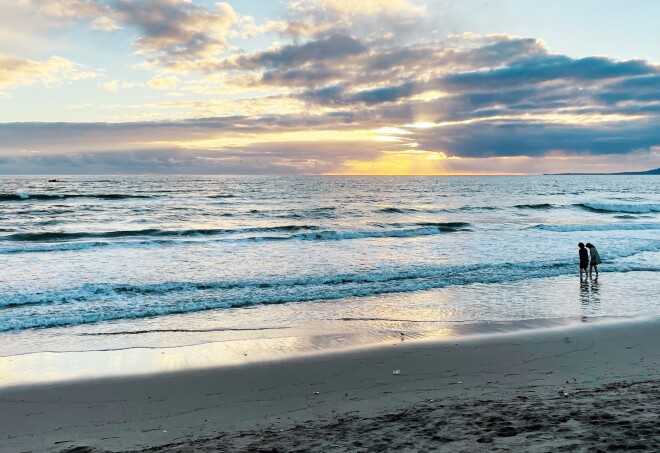
Definitely check out Sunset Cliffs Natural Park in Point Loma. See the crystal waters from the sandstone bluffs. You might feel like you’re in some other country—a beautiful one, for sure.

Food and drink to try in San Diego

The border location plus the influx of Asian immigrants over the centuries means San Diego specializes in Mexican and Asian cuisines. The locavore movement is growing, and many restaurants have been developing relationships with farms just outside the city. You’ll find chef-owned fine-dining establishments, hole-in-the-wall destinations, and dozens of food trucks.

Culture in San Diego

San Diego’s climate and location on the West Coast draw people from all over the world. A variety of cultures are reflected in the shops and restaurants around the city. Each neighborhood has its own feel and style. If you love architecture and hidden treasures, plan to park your car, get out, and walk around!

FESTA!, in Little Italy, is the largest Italian festival on the West Coast. Balboa Park December Nights is a Christmas-themed festival that draws over 350,000 visitors. Restaurant Week happens twice a year—a time to eat gourmet at a great price from more than 170 participating restaurants. The San Diego LGBT Pride fest in Hillcrest draws over 200,000 participants. San Diegans love their festivals, and something is usually happening every month of the year. At these lively events, the trolley offers an easy transportation alternative to parking a car.

Local travel tips for San Diego

- The best time of year is September and October, when the ocean is warm enough for most swimmers to get in the water without a wetsuit, and the hordes of tourists have left.
- Winter is considered “off-season,” so you can get lower hotel rates and still enjoy great weather.
- No matter the time of year, dressing in layers is recommended, as the temperature can change in short distances due to microclimates.
- San Diego’s weather is dry, so carrying water with you is essential!
- The neighborhoods of La Jolla, Ocean Beach, and Pacific Beach have only one main road leading in and out. Avoid visiting around the morning and evening rush hours or you may get caught in a traffic bottleneck.

How to get around San Diego

The San Diego International Airport, formerly known as Lindbergh Field, sits right in the heart of San Diego. Flying in can be a real thrill as the plane passes low over Balboa Park and between buildings.

The San Diego freeway system is laid out in a grid, making it easy to get around by car anywhere in the 372 square miles of city. The trolley is a great choice if you are staying in downtown San Diego, as it stops at many destinations of interest. A machine at each trolley stop accepts cash or credit. Another option is to rent an electric smart car from Car2Go (register in advance, as it takes about five business days to get your membership card). Use the card to activate any Car2Go smart car, and when you’re done, just leave it parked in any legal parking space in the city. To get to the various towns along the coast in San Diego County, or farther north, hop aboard the Amtrak Pacific Surfliner.

READ BEFORE YOU GO
From desert blooms in Death Valley to coastal florals in the Channel Islands and popular poppies in the Sierra foothills, here’s where to find California’s wildflowers.
HOTELS
Live like a local in San Diego by basing your stay at one of the city’s top neighborhood Airbnbs.
RESOURCES TO HELP PLAN YOUR TRIP
Cafe Sevilla is located in the downtown Gaslamp district in San Diego. It’s a great place to hear live music while sharing tapas and drinks with friends. The interior is huge with flags hanging from a 20ft ceiling, a bull on the wall behind the bar, and other Spanish-inspired decor. The owners are from Spain, and this restaurant has been here in San Diego for over 20 years. On weekends, it’s a good idea to make reservations for dinner since it does fill up quickly. There’s a little stage that is always occupied by flamenco, rumba and/or Spanish guitarists. If you want a little more quiet, ask for a table on the second floor—you can still hear the live flamenco, but it feels a little more private. Or, you can sit outside on the patio for people watching. 5th Ave in San Diego is a hopping little place, and Cafe Sevilla is a great start to your evening.
Here’s another touristy place, but great for the kids- and adults too, if you love ocean creatures! There’s an underwater shark exhibit, huge jellyfish exhibit, narwhals, sea otters, animal shows, penguins, roller coasters and more. I’d never seen a walrus before up close and dang, those things are huge! This place is a little pricey to go often, so we only go if visitors who stay with us want to check it out. But it’s definitely worth seeing at least once!
Just a short drive north from downtown San Diego, the 2,000-acre Torrey Pines State Natural Reserve offers an idea of what Southern California looked like before its coastlines were developed. Experience the area by taking a short walk from the parking lot to the bluffs overlooking the ocean, or hike a longer loop around the entire reserve. You can enjoy great views of La Jolla from here—sometimes you can even spot hang gliders or pods of dolphins swimming along the coastline. If you’re lucky, you might even see the peregrine falcons that keep a nest in the cliffs. Note: If you’re hanging out at the base of the cliffs by the ocean, heed the KEEP AWAY FROM CLIFF signs. They’re made of sandstone and do crumble.
Fighting extinction takes a global village.
Casual meals like tacos and pizza reign in San Diego, but chefs are getting more creative with the city’s unparalleled produce and easy access to fresh seafood and fish.
Southern California’s surf-centric city offers beautiful beaches and big-city attractions, from seriously good restaurants, breweries, and boutiques to several top hotels. Historic properties in Old Town, the Gaslamp Quarter, and Coronado continue to offer lodging in the grand style, with proximity to everything classically San Diego, while coastal options feature beachfront cottages, tiki themes, and the sound of the breeze from your bed.
Inspired by a former Ford car dealership that once sat on the site in upscale Mission Hills, Fort Oak’s interior mixes old and new; hexagonal tiles and brass accents give the space a vintage feel, while a black oak communal table and plank flooring bring a modern industrial vibe. Executive Chef Brad Wise excels at wood-fired cuisine—the exhibition kitchen has a 7,000-pound grill and range where he fires up 45-day dry-aged ribeye and Australian wagyu beef—but what really sets Fort Oak apart is a raw bar serving seafood towers and buttery hamachi poke. For a decadent night out, slide into Fort Oak’s chef’s counter for a six-course tasting menu cooked by Wise (offered Wednesday and Thursday nights every other week; reserve ahead).
Most visitors to this sunny Southern California city are familiar with the Gaslamp District, Balboa Park, and the zoo, but to understand the true San Diego, head to where the locals live and play.
Beyond the relaxed beach scene, the city pulses with energy. Here’s how to experience both sides.
At Little Italy’s Herb & Wood, Chef Brian Malarkey’s wood-fired dishes include roasted parsnips with pickled raisins, parsley-shallot verde, and molten Marin County brie; roasted beets with sherry, walnut pesto, jamón Ibérico, and burrata; and grilled flat bread with whipped eggplant, za’atar, onions, and pine nuts. But the Mediterranean- and California-inspired menu isn’t the only big draw here: The industrial-boudoir aesthetic is equally inviting, with tufted sofas, soft lighting, and feathery fronds under the soaring ceilings of this onetime warehouse. A charmingly tattered edition of Emily Post’s Etiquette book has pride of place on the hostess stand. But the restaurant is unlikely to call guests on any manners infractions except one. In calligraphy at the bottom of the menu, you’ll find the following note: “Substitutions and additions politely declined.”