Tahiti

Tahiti is the largest island in the Islands of Tahiti archipelago in the South Pacific, commonly known as French Polynesia. Whether snorkeling a turquoise lagoon or surfing a black-sand beach, hiking to a waterfall or just to your hammock, or marveling at the colors of Papeete Market or at the agility of traditional dancers, it offers a mix of culture, adventure, and indulgence. Lodging is more affordable in Tahiti than on her sister islands, and you won’t need to arrange onward transport. But just because the island is convenient—an eight-hour direct flight from L.A.—doesn’t make it any less alluring as a destination itself.

Houses above the water with a large rocky mountain in the distance
Overview

When’s the best time to go to Tahiti?

Tahiti is really a year-round destination. If you had to choose, the absolute ideal months to visit are during the May to October “dry season,” when the weather is slightly cooler and there is less rain. That said, traveling between November and March can offer better rates. Although technically the “wet season,” the weather is usually still good: You will likely get periods of rain, but also plenty of blue sky. Expect higher humidity, though.

How to get around Tahiti

Faaa is the only international airport among the Islands of Tahiti. It is located on Tahiti itself, just a few miles west of the capital city, Papeete. Flight time from Los Angeles is only eight hours and the islands are in the same time zone as Hawaii, meaning there’s only two or three hours difference (depending on time of year) with the U.S. West Coast. (This makes jetlag much less of an issue than traveling somewhere like Fiji, where you will cross the international dateline.) Once on the ground, it is very easy to circle the island by rental car—there is just one main road and it hugs the coastline. Note there are no formal street addresses in Tahiti. Instead, locations are identified by PK (points kilometriques), which represent the distance in kilometers from Papeete cathedral.

Can’t miss things to do in Tahiti

- Tahiti underwater is sublime, so make sure to go snorkeling or diving.
- Try surfing, too—it was invented in Polynesia, possibly in Tahiti.
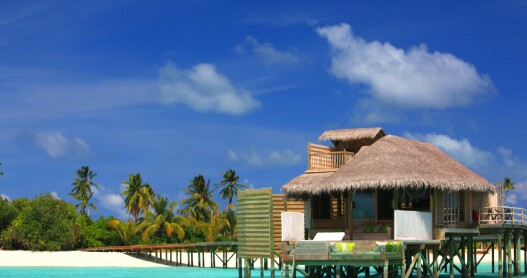
- If you’re by the beach, stay at least a couple of nights in an overwater bungalow if you can.
- Away from the sea, catch a Tahitian dance performance at a luxury hotel—it’s mesmerizing.

Food and drink to try in Tahiti

Fresh fish and seafood is a staple in Polynesia. The national dish is poisson cru, freshly caught raw fish (usually tuna) with diced vegetables marinated in lime and soaked in coconut milk. It is absolutely delicious and can be served with rice. Chevrettes are another popular Tahitian delicacy. These are freshwater shrimp often grilled or cooked in a French-influenced butter sauce.

Culture in Tahiti

Music and dance have long been an integral part of Tahitian life, and today learning the traditional dances is as popular with locals as tourists, who fill the many schools in Papeete. There are four main styles of dance in French Polynesia, and many hotels offer performances with dinner at least once a week. But to really experience the best of Tahitian dance, visit during Heiva I Tahiti: a major festival of traditional Polynesian culture that takes place for a week each July in Papeete and includes music, dancing, singing, and sports. Another large and important festival is the Billabong Tahiti Pro Surfing Tournament, which is an international, professional-level surfing contest held at Teahupo’o in Tahiti Iti over three days each May.

For Families

Tahiti is a great destination for families, especially if traveling from the West Coast. With the island just an easy eight-hour direct flight from Los Angeles and on the same time zone as Hawaii, it doesn’t take little ones long to adjust. Many resorts have kids clubs and are specifically geared towards families. And with adventures from snorkeling to waterfall hikes, there is plenty to do.

Local travel tips for Tahiti

Stay in a family-owned pension or Tahitian B&B to truly experience Tahitian life and culture. Spend your morning fishing with the locals, then take your fresh catch to the nearest motu (like a kind of mini island) for a picnic to remember.

Nearly every activity can be booked through your hotel, pension, or guesthouse upon arrival.

The tattoo art form was invented in Polynesia (or, at least, that’s where Europeans first enountered it), and today many Polynesians sport beautiful works of art as symbols of their personal identities.

Guide Editor

READ BEFORE YOU GO
HOTELS
The world’s best beach resorts put cultural and environmental preservation front and center.
While a stay in the famously lavish resorts of Tahiti and Bora Bora may be a dream vacation for many, the local guesthouses offer travelers a deeper look into Polynesian culture and life.
RESOURCES TO HELP PLAN YOUR TRIP
Stay flexible and keep your sense of humor: It is possible to take a dream trip during COVID.
Tahiti is the birthplace of surfing, and the island offers a few excellent beginner breaks as well as one of the world’s most powerful waves, Teahupo’o. To hone your surfing skills, visit the Tura’I Mataare Surf School in Paea, which offers both single and multi-day lessons by qualified instructors that include equipment rentals in the fee. Located on the southern half of the island, known as Tahiti Iti, the monster wave at Havae Pass, also known as Teahupoo, is the wave that experts make pilgrimages to ride – please don’t attempt unless you know what you are doing. This is where the Billabong Pro Championships are held each year over a week in August.
Uturoa’s local town market, which opens at sunrise daily (but only stays open for a few hours on Sundays), offers a selection of hand-crafted souvenirs and pareus on its upper level as well as a vast selection of Raiatea’s freshest seafood and produce—which make for curiously colorful photo ops—on the main level. It really bustles on Wednesdays and Fridays.

Maui Beach is a rare white sand beach in Tahiti. It can get very crowded on weekends, but is peaceful during weekdays. It located right on the road but has shallow swimming, making it perfect for kids, as well as deeper spots for adults and some DIY snorkeling off the reef.
Bougainville Park is a tranquil, tropical oasis in the middle of the Papeete’s concrete jungle. Stretching from Boulevard Pomare to Rue du General de Gaulle, it makes for a lush and cool picnic (or roulettes take-away) spot. If you’re traveling with the kids there’s a playground here, and there are often floral, cultural and artistic displays on the grounds.
Located on the waterfront next to the cruise-ship dock in Uturoa, this shopping center is home to a small assortment of clothing and jewelry boutiques. Locals also set up stands outside to sell handicrafts, such as wood carvings, shell necklaces and artwork.

Featuring Polynesian-Asian-French-fusion cuisine, this contemporary-chic beachfront eatery in Maharepa, owned by French-born restaurateur Bruno Jamais, is a sunny spot where you can indulge in some upscale Papeete-meets-Paris dining—maybe paired with a glass of bubbly. Devotees adore dishes such as marinated tuna tartare with wasabi, avocado and fried shallots. A three-course lunch runs about $60 per person (without beverages).

This family-owned eatery, with its shady tables right next to the lagoon, has a delicious and affordable (under $25 per person) menu—generous, freshly prepared plates of poisson cru, garlic shrimp (a specialty), grilled mahimahi, burgers and more—that attracts guests of the nearby InterContinental Moorea Resort & Spa, who invariably return for more. Lunch only; cash only.

While not the tallest mountain on Raiatea—that distinction belongs to 1,017-meter-tall (3,337-foot-tall) Mount Tefatoaiti—Mount Temehani is the island’s most sacred. And at 772 meters (2,532 feet), it’s plenty scenic, too. But this flat-topped peak’s true claim to fame is the tiare apetahi—a delicate, white, five-petaled flower (related to the Tahitian gardenia) that’s so rare it grows nowhere else on Earth but on this mountain.

Sometimes all you want to do is relax with your toes in the sand, take an occasional dip in the clear blue water and then enjoy a casual lunch. If that’s your idea of heaven, pack a towel and some sunscreen, tender into Vaitape and rent a scooter or bike or hire a taxi to bring you to Bora-Bora’s loveliest public beach. The sand is soft, the water is calm and the gorgeous InterContinental Le Moana Bora Bora Resort and a few small cafés are right nearby.