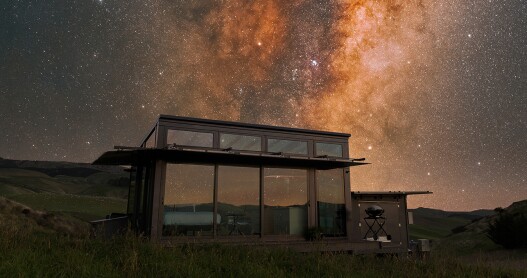
New Zealand

Comprised of the volcanic, lush green North Island and its rugged, mountainous neighbor to the south, New Zealand has just about everything you could ask for in a destination. With a rich Maori heritage, beautiful beaches, geothermal spas, Lord of the Rings filming locations, and a growing wine culture—plus tons of adventure sports—the “Land of the Long White Cloud” has much to offer travelers, who are guaranteed to fall in love with this little nation.

TravelGuide-NewZealand-tyler-lastovich-unsplash.jpg

Photo by Tyler Lastovich/Unsplash

Overview

When’s the best time to go to New Zealand?

At the bottom of the Southern Hemisphere, the seasons in New Zealand are reversed from what most of us are accustomed to. Summer runs roughly from December to March, with Christmas through January considered peak season. Snowfields on both islands lure skiers and snowboarders, making New Zealand a popular winter destination as well. During the shoulder seasons, the crowds die down. The weather on the North Island, especially around Auckland, is considered mild and temperate, making it a nice destination year-round.

How to get around New Zealand

Really, the only way to get to New Zealand is by flying, and all international flights are routed through Auckland because of its large airport. From Australia, it’s a four-hour flight, and from Los Angeles it’s 12. A growing cruise industry brings tourists to travel around New Zealand by ship.

Many visitors choose to rent a “campervan” as a way to explore New Zealand’s lush countryside, save on accommodations, and participate in the country’s rich camping tradition. There are plenty of holiday parks and sites in which to park overnight, but free camping isn’t allowed anymore in most of New Zealand. If you are planning to explore the country for more than a month, you might even consider buying a car or campervan. Because of New Zealand’s remote location and limited public transportation, there is a large market of used cars being bought and sold by travelers; it’s a relatively easy, cheap, and painless process. The major cities also have airports, so if you’re on a limited schedule, you can fly between destinations. Public buses connect towns and cities (you can buy hop-on, hop-off bus passes), and there are some train routes on both islands, as well as plenty of tour companies.

Food and drink to try in New Zealand

New Zealand has a growing food scene, and in recent years big cities like Wellington and Auckland have turned out gourmet restaurants, chic cafes, and boutique bars. The famous coffee culture here ensures you will never be far from a delicious cup of coffee. Trendy new independent craft beer companies and breweries continue to pop up around the country, and plenty of wineries dot both islands.

Culture in New Zealand

Before it was colonized by Westerners, New Zealand was settled by the seafaring Maori people from the Pacific. You can visit various Maori sites and have Maori cultural experiences in places like Rotorua. From carving greenstone or jade pendants to witnessing the famous Haka, you’ll see Maori culture and history everywhere in New Zealand.

The two main wine festivals are Toast Martinborough on the North Island in November, and the Marlborough Wine Festival in February on the South Island. New Zealand’s version of Independence Day, when the Treaty of Waitangi was signed between the Maoris and the British Crown, takes place every year on February 6. Also in February, Wellington comes alive with the Sevens, when seven rugby teams compete, creating a massive party in Wellington. If adventurous eating is your thing, then be sure to check out the Hokitika Wild Food Festival in March, where you can try anything and everything.

Local travel tips for New Zealand

- New Zealand is one of the safest and friendliest countries in the world. From the commonplace encounters with hitchhikers around the islands to conversations with just about anyone you meet, it won’t take long for you to realize that there’s something special about Kiwis.
- Remember that because New Zealand is very remote, parts of the country aren’t easily accessed, aren’t connected to phone service, or are prone to wild weather and geological activity such as earthquakes, landslides, and volcanoes—and it’s good to come prepared.

Practical Information

- English and Maori are the official languages of New Zealand, and pretty much everybody speaks English.
- Of course, like any language, Kiwis (aka New Zealanders) have their own take on some words. If you’re told to get dressed in your togs and jandals, change into a swimsuit and flip flops. And when you’re driving around in a camper van, there’s a good chance you’ll end up in the middle of the wop wops (aka the sticks).
- The country runs on 230/240 volts with angled two- or three-pin plugs so you’ll need a converter.

Guide Editor

Brett Atkinson is a full-time travel and food writer based in Auckland. He writes about adventure travel, unusual destinations, and surprising angles on more well known destinations for Lonely Planet and the BBC, among other outlets.

Liz Carlson is a writer and travel blogger based in New Zealand.

READ BEFORE YOU GO
HOTELS
At these rental properties around the world, you can commune with wildlife and farm animals.
Forget pitching a tent. When you stay in these luxurious huts, domes, and pods, getting close to nature doesn’t mean roughing it.
RESOURCES TO HELP PLAN YOUR TRIP
The resort town of Queenstown tucked away in the Remarkables, a stunning mountain range in the South Island, is one of New Zealand‘s crown jewels. Not many towns around the world have better views or more adventure sports than Queenstown. One of the staple activities is to ride in the cable car up to the Skyline Gondola in Queenstown. With breathtaking views of the city, lake and surrounding mountains, there is no better way to spend time in Queenstown than from above. For the best views, try paragliding from the Gondola back down to the city below. Strap yourself to a complete stranger then run off the edge of a mountain only to soar high above the town. This is an adrenaline activity anyone can do.
A throwback to the roarin’ twenties, you can find (or maybe not find) an emerging speakeasy-style bar culture hitting the streets in Wellington. Themed bars that you would never know about or find unless someone told you first are all the rage. The aptly-named Motel Bar is right off of Courteney Place, one of the most popular nightlife areas of Wellington, and from the outside it looks like a dingy U.S. motel from the 1970s, complete with flashing neon “Vacancy/No Vacancy” sign. Buzzing the door will lead you up a dark staircase. Behind one of the unmarked doors at the top, you will find the small, cozy, New York-jazz-club-style bar and lounge: the Motel Bar. Complete with beautiful 1950s decor, elegant cocktails (more than 200 to chose from), and a record player humming in the background, you will be shocked that you doubted the entrance even for a moment.
Driving around the southern roads in the North Island often lulls you into believing that this pocket of New Zealand is mostly rural farmland with more sheep than you could ever imagine. Once leaving the comfort of the Wairarapa wine region, it doesn’t take long for the rolling green hills, budding vineyards and gentle mountains to fade into something a bit more wild. Reminiscent of the volatile South Island, the winding ocean road that leads to the famous Cape Palliser Lighthouse is anything but calm. Frequently washed out from behemoth waves, you’ll witness a few groups of houses on a narrow road that barely pass for towns before heading on towards the lighthouse. Normally there is a large seal colony that inhabits these rough waters that will give you a show if you get too close. But don’t worry, you will smell them long before seeing them. Perched high on the rocks overlooking the turquoise rough waters, the lighthouse monitors the cape offering unparalleled views that remind you that this southernmost point of the North Island truly feels like the end of the world.
Lesser-known ski fields are often run by clubs and have the benefit of thinner crowds and the opportunity for skiers and boarders to glide and carve where others haven’t. Rainbow Ski Area near Nelson on the South Island is great for boarders and offers lessons from novice to expert. Further south, Porters Ski Area outside Christchurch features such runs as the appropriately named Big Mama and other trails that cater to intermediate and advanced riders. In the North Island, try the Manganui Ski Area on Mount Taranaki for cheap no-frills skiing (meaning no gear rentals on-site). And on the eastern side of Mount Ruapehu, there’s the friendly club-run Tukino ski field, which is often open when the rest of the mountain is shrouded in clouds.
Bungee jumping was invented in New Zealand, so if you’re going to try it anywhere in the world, shouldn’t it be at the world’s first commercial bungee site? With a 140-foot drop from an old bridge straddling a beautiful turquoise river, the location outside of Queenstown couldn’t be more perfect. In fact, its beauty might even distract from what lies ahead. Choosing between jumping tandem or solo, bobbing above the water, touching it, or even getting dunked, the Kawarau Bridge has every option available—though maybe none for the faint of heart. In the few minutes I watched dozens of people fling themselves off the platform, from kids to parents, everyone had a big smile on their face when finished.
I was a glacier virgin. I had never seen one in person before, much less set foot on one. That all changed though as the helicopter lifted off and took off towards the incredible Franz Josef Glacier on New Zealand’s South Island. Almost as soon as the Glacier Helicopters flight lifted off, Mt. Cook popped into view, a looming presence throughout the area. We skirted over the lush rainforest and before I knew it, we were on top of the glacier. It’s amazing really; the glacier looks exactly like a glacier should look. It was a vast, frozen river leading from the tops of the mountains to the valley below. We landed at the top for a little exploration and impromptu snowball fights before taking off again to zoom past the massive crevices of the ice mountain. The ride back included even more impressive views of the glacier and the flat plains below leading to the Tasman Sea. It really is strange to see the glacier adjacent to the mild valley below. There’s something surreal about it all and that makes it one of the best adventure activities in New Zealand. For your own glacier adventure, visit the small mountain town of Franz Josef where you can find tour providers operating a variety of ice-based activities, including these extraordinary helicopter tours.
This is your view from the top of the Diamond Lake Hike, which starts about 12 kilometers outside of the town of Wanaka. The views are so beautiful from the summit that it’s nearly impossible to ever head back down the mountain. The track starts from the car park and follows an old road to Diamond Lake. The track then climbs to a viewing platform above the lake that is a great spot for a water/snack break and some photos. From here you’ll have two options: 1) A lower-level circuit that takes in the Lake Wanaka viewpoint, with great views of both the lake and its islands. 2) An upper-level circuit that winds its way to the top of 775-meter Rocky Mountain. At the top you’ll be rewarded with views that include the Southern Alps and Mount Aspiring. If you do the longer, second option, your round-trip mileage is just over eight kilometers and a good estimate for time would be three to four hours (with breaks). Note that many walkers do both routes from the Diamond Lake viewing platform.
Lake Matheson is a magical little spot near Fox Glacier. It’s a great place to take a walk at sunset, before enjoying dinner and some local wine at the Matheson Cafe. On a clear day, the reflection in the lake proudly displays all the reasons to be in love with the Westland National Park region of New Zealand, while the rugged peaks of Mount Tasman and Mount Cook rise out of the mountain range. This is glacier country at its best. The lack of wind—the lake is set within the dense rain forest—means Lake Matheson’s surface is calm and still. The reflection photo opportunities have made this lake the most photographed body of water in New Zealand (and that is saying something). The walk around the lake takes about an hour and a half, and you have three viewing platforms offering exceptional perspectives along the way. Hit the trail just before sunset and have a glass of Otago Pinot Noir at the cafe while you watch the sun set over those mountains. The cafe opens at 5:30 p.m. and I’d suggest the mushroom risotto.
Although the Routeburn Track is a three-day trek, one can walk part of it as a 7-kilometer day hike. The Divide trailhead at one end of the track begins with a steady climb through a beech forest and sub-alpine shrubs and continues with a steep zigzag above treeline to Key Summit. A loop from the summit goes through a variety of environments, including small alpine ponds and bogs. Viewpoints from the summit and along the loop offer stunning vistas of the snow-capped Darran Mountains, Lake Marian, and the lengths of the Hollyford, Eglinton and Greenstone Valleys.
Soak up the endless horizon on this 15k tramp alongside Lake Wanaka. Why is this worth your Kiwi time? The rolling and winding track that follows the lake’s edge provides an unobstructed and ridiculous view of the snowcapped mountain tops (head over in spring for sunny skies and cool winds). Park your car in one of the lakefront car parks in town and head clockwise along the lake. You’ll pass Waterfall Creek and the small Damper Bay before you reach Glendhu Bay. The only thing that is missing here are sculptures of hobbits, dwarves, and trolls (just saying).