Croatia

In 1995, after decades of Communist rule and ensuing bloody wars, Croatia emerged from the shadows into the travel spotlight—a nearly undiscovered corner of Europe. Today, visitors continue to arrive in record numbers to explore the country’s medieval cities and villages, eight national parks, 11 nature preserves, and more than 1,200 islands along the Adriatic coast. The dramatic Dalmatia region gets most of the spotlight, with summer crowds flocking to hot spots like the historic walled city of Dubrovnik, the bustling town of Split, and the glamorous island of Hvar. Lesser-known but equally impressive are the heart-shaped Istria (the peninsula at the northern end of Croatia’s coastline) and Kvarner (the gulf just to the south of Istria). The star of Croatia’s inland region is the buzzy capital, Zagreb, which, in recent years, has become a must-visit destination for its quirky museums, colorful markets, and innovative food scene.

Dubrovnik, Croatia

Photo by Brendan Van Son/Shutterstock

Overview

When’s the best time to go to Croatia?

The peak tourist season along Croatia’s coast runs from July through August. It can be hot, crowded, and expensive, but several festivals and events still make it a fun time to visit. For a bit of breathing room and lower prices, try the shoulder seasons—May through June and September are particularly lovely times of year. Winter used to be the quietest period for tourism, but that has changed in the last two years with Zagreb’s Advent festivals bringing in thousands of visitors for Christmastime merriment.

How to get around Croatia

Croatia has seven international airports, with the swanky Franjo Tuđman Airport (also known as Zagreb Airport) being the largest and busiest, as well as the main hub for the national carrier, Croatia Airlines. Other popular ports of entry, especially if you’re heading for the Dalmatian Coast, are Split, Dubrovnik, and Zadar; Pula is a major entryway if you’re Istria-bound.

The bus network in Croatia is extensive and reliable—and a good way to travel if you don’t have your own wheels. There are also regular ferries from the mainland to the islands, with more routes added during the busy high season.

Food and drink to try in Croatia

Croatian cuisine is a melting pot of regional specialties made with high-quality ingredients, from fresh seafood and spicy, paprika-rich fish stew to hand-rolled pasta with just-picked truffles. Don’t miss a meal of juicy meat or octopus, slow-cooked under peka (a dome-like baking lid). And be sure to wash it down with homemade wine or rakija, the local spirit made from fermented fruit.

Culture in Croatia

Croatians love to socialize over coffee and meals, but they also love to party, which makes it easy to see why the country has become one of Europe’s hottest festival destinations. On the other end of the spectrum, the majority of the population is Christian, and a visit to church on Sundays is an important aspect of local culture. As in many parts of Europe, soccer is the other dominant religion. You’ll make fast friends if you cheer for the home team while watching a match.

Can’t miss things to do in Croatia

Croatia delivers a heady mix of culture and nature, from its bustling cities and string of UNESCO World Heritage sites to its eight national parks that protect gorgeous stretches of wilderness. You can’t miss Dubrovnik’s walled Old Town, with its ancient ramparts and sweeping views, or the harbor city of Split, home to Diocletian’s Palace (the most complete Roman palace in the world). Sailing in Croatia—or at least visiting an island or two, like Hvar or Vis—is also essential. If you only have time for one national park, make it the lake-filled wonderland of Plitvice. And try to get to Zagreb, Croatia’s charming capital that has recently blossomed into a major destination.

Practical Information

Croatia is part of the European Union, so E.U. visa regulations apply. While Croatian is the official language, you’ll find that English is widely understood and spoken. The local currency is the euro. Electricity is 230 volts and plugs are types C and F (the standard European kind, with round prongs).

Guide Editor

Born and raised in Croatia, Anja Mutić is an award-winning travel writer who splits her time between Brooklyn and Zagreb.

Updated August 2023.

READ BEFORE YOU GO
After a multiyear renovation, Villa Argentina returns to Dubrovnik, Croatia, bringing new life to a storied Adriatic waterfront hotel that generations of locals and travelers have cherished.
HOTELS
Sure, the beaches and views are great. But these islands excel with sustainable innovation, rich local traditions, and unique accommodations.
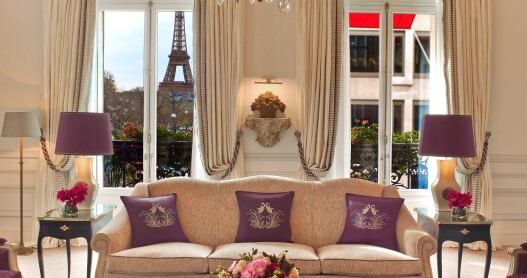
There’s nothing dreamier than a room with a view, and these luxurious hotels are perfectly positioned to give you the best views of some of Europe’s most memorable sights.
RESOURCES TO HELP PLAN YOUR TRIP
Korčula Old Town claims to be the birthplace of the famous explorer (view his birth registry in the Bishop’s Treasury). The island celebrates this not only in its Marco Polo Museum, but at this Marco Polo-themed shop where you’ll find a plethora of creative souvenirs, like a selection of local spices, 1,000 grains of salt or bottled local seawater.
Auntie or Teta Smilja, as locals lovingly call her, opened her cozy shop back in 1994. Since then, her sweets—made using traditional and original recipes—have been featured in international magazines and won national awards. Packed to go, her klaštuni (walnut-filled dough) and amareti (almond cookies with lemon and orange) will make your walk around Korčula memorably sweet.
For well over a century, the stone-working Jakšić family from the island of Brač have been producing works using the white Brač stone from which Diocletian’s Palace was built. Head to their little Split gallery to see their impressive sculptures, and have one custom-made or pick up souvenirs of little stone flowers, jewelry or calendars.
Old-World charm, diverse natural landscapes, and affordable prices make the lesser-frequented Balkan Peninsula a must-visit for adventurous travelers.
You could expect no less than to find a bustling fish market in a seaside town. Explore the isles of this market that houses fishermen and farmers alike and watch the morning’s catch being descaled right in front of you.
Overview
For a seafood experience featuring fresh-caught Adriatic fish, book a table at this lovely restaurant in the small harbor of Foša Zadar, right by Zadar’s ancient city walls. The interior incorporates original details, like exposed bits of stone walls, in an overall contemporary design, but the real standout is the terrace that extends into the port. It’s the perfect setting if you want to pair your meal with stellar vistas. Though the meat dishes here are great, seafood is the highlight. The menu changes according to the morning’s catch, but often features shrimp gazpacho, gnocchi with black cuttlefish ragout, and grilled Adriatic Sea bream with fresh herbs.
To truly immerse yourself in the culture of Croatia’s most famous city, Dubrovnik, slow down, sink in, and stay in the moment.
This shop is more coral sanctuary than ordinary jewelry store. In addition to selling mind-blowing designer pieces, this is the place to learn all about the Adriatic coral: where it lives, and how it is sourced, harvested, and treated to become that deep-red stone used in jewelry. You can watch this magic will happen right before your eyes if you drop in here for a chat with a member of the impressively knowledgeable staff, who will tell you everything you want to know in the time you have available. Get inspired, and then check out the pieces, some of which feature typical Dubrovnik filigree work. Like unique works of art, each item comes with a certificate of authenticity.
At the heart of Diocletian’s Palace, this colorful bar—a recent addition to Split’s dining scene—is already a favorite for its globally flavored tapas-style dishes. The menu is small but far-flung, featuring everything from burgers to a number of plates with an Asian twist. The Japanese steamed pork buns are particularly delicious; other bites include pickled oysters, barbecue ribs, shellfish custard, and cheese and charcuterie platters. Guinness is on tap and the cocktails are great. Torito serves breakfast, too, as well as freshly squeezed juices and smoothies all day.