Croatia

In 1995, after decades of Communist rule and ensuing bloody wars, Croatia emerged from the shadows into the travel spotlight—a nearly undiscovered corner of Europe. Today, visitors continue to arrive in record numbers to explore the country’s medieval cities and villages, eight national parks, 11 nature preserves, and more than 1,200 islands along the Adriatic coast. The dramatic Dalmatia region gets most of the spotlight, with summer crowds flocking to hot spots like the historic walled city of Dubrovnik, the bustling town of Split, and the glamorous island of Hvar. Lesser-known but equally impressive are the heart-shaped Istria (the peninsula at the northern end of Croatia’s coastline) and Kvarner (the gulf just to the south of Istria). The star of Croatia’s inland region is the buzzy capital, Zagreb, which, in recent years, has become a must-visit destination for its quirky museums, colorful markets, and innovative food scene.

Dubrovnik, Croatia

Photo by Brendan Van Son/Shutterstock

Overview

When’s the best time to go to Croatia?

The peak tourist season along Croatia’s coast runs from July through August. It can be hot, crowded, and expensive, but several festivals and events still make it a fun time to visit. For a bit of breathing room and lower prices, try the shoulder seasons—May through June and September are particularly lovely times of year. Winter used to be the quietest period for tourism, but that has changed in the last two years with Zagreb’s Advent festivals bringing in thousands of visitors for Christmastime merriment.

How to get around Croatia

Croatia has seven international airports, with the swanky Franjo Tuđman Airport (also known as Zagreb Airport) being the largest and busiest, as well as the main hub for the national carrier, Croatia Airlines. Other popular ports of entry, especially if you’re heading for the Dalmatian Coast, are Split, Dubrovnik, and Zadar; Pula is a major entryway if you’re Istria-bound.

The bus network in Croatia is extensive and reliable—and a good way to travel if you don’t have your own wheels. There are also regular ferries from the mainland to the islands, with more routes added during the busy high season.

Food and drink to try in Croatia

Croatian cuisine is a melting pot of regional specialties made with high-quality ingredients, from fresh seafood and spicy, paprika-rich fish stew to hand-rolled pasta with just-picked truffles. Don’t miss a meal of juicy meat or octopus, slow-cooked under peka (a dome-like baking lid). And be sure to wash it down with homemade wine or rakija, the local spirit made from fermented fruit.

Culture in Croatia

Croatians love to socialize over coffee and meals, but they also love to party, which makes it easy to see why the country has become one of Europe’s hottest festival destinations. On the other end of the spectrum, the majority of the population is Christian, and a visit to church on Sundays is an important aspect of local culture. As in many parts of Europe, soccer is the other dominant religion. You’ll make fast friends if you cheer for the home team while watching a match.

Can’t miss things to do in Croatia

Croatia delivers a heady mix of culture and nature, from its bustling cities and string of UNESCO World Heritage sites to its eight national parks that protect gorgeous stretches of wilderness. You can’t miss Dubrovnik’s walled Old Town, with its ancient ramparts and sweeping views, or the harbor city of Split, home to Diocletian’s Palace (the most complete Roman palace in the world). Sailing in Croatia—or at least visiting an island or two, like Hvar or Vis—is also essential. If you only have time for one national park, make it the lake-filled wonderland of Plitvice. And try to get to Zagreb, Croatia’s charming capital that has recently blossomed into a major destination.

Practical Information

Croatia is part of the European Union, so E.U. visa regulations apply. While Croatian is the official language, you’ll find that English is widely understood and spoken. The local currency is the euro. Electricity is 230 volts and plugs are types C and F (the standard European kind, with round prongs).

Guide Editor

Born and raised in Croatia, Anja Mutić is an award-winning travel writer who splits her time between Brooklyn and Zagreb.

Updated August 2023.

READ BEFORE YOU GO
After a multiyear renovation, Villa Argentina returns to Dubrovnik, Croatia, bringing new life to a storied Adriatic waterfront hotel that generations of locals and travelers have cherished.
HOTELS
Sure, the beaches and views are great. But these islands excel with sustainable innovation, rich local traditions, and unique accommodations.
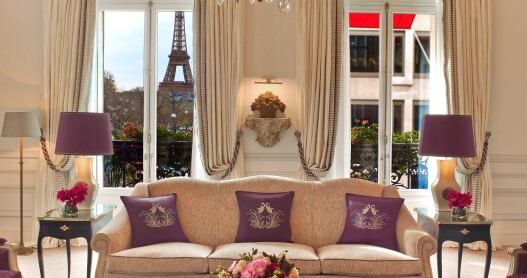
There’s nothing dreamier than a room with a view, and these luxurious hotels are perfectly positioned to give you the best views of some of Europe’s most memorable sights.
RESOURCES TO HELP PLAN YOUR TRIP
Right by the Pile Gate, in a beautifully restored maritime school, Restaurant Nautika feels special even before you taste the food. With mesmerizing views of Kolorina Bay beyond and Lovrijenac Fortress looming overhead, this elegant restaurant has a fresh spark about it. The chef often does the marketing himself, browsing the stalls at the local market for organic and locally grown produce and freshly caught seafood—the only ingredients used at Nautika. The kitchen works magic with the ultra-local stuff, turning out small wonders like lobster medallions and sesame-crusted tuna. The inspired cuisine, especiailly when coupled with the location make the Nautika experience nothing short of spectacular. (If the view isn’t enough, you can occasionally spot celebrities among your fellow diners.)
Its name honors an avant-garde woman poet from Dubrovnik’s golden age, Cvijeta Zuzorić. Its menu, by star chef Jeffery Vella, honors one of the Cvijeta’s tenets: No compromising on the things you believe in. And what the staff believes in here is that the dishes must be creative, the ingredients fresh, and the wine list enticing. Start with the octopus mini burgers on olive focaccia, then enjoy a gilthead bream fillet cooked in parchment, and end your meal with peach and mascarpone crumble. Dine on some of Dubrovnik’s tastiest treasures from your seat in a charming stone alleyway, watching the passersby.
This designer store stocks three popular Croatian women’s clothing and accessory brands: Chicks on Chic, Little Wonder and Dott. They also feature an ever-changing selection of quirky T-shirts with illustrations by local graphic designers. The shop’s open from April to November and again during the week before Christmas when they showcase a winter collection.
Uje
Dedicated to everything olive, Uje sells superior extra-virgin olive oils, olive wood cutting boards and olive tapenade, as well as other favorite tidbits such as hams and cookies. Uje also runs an oil bar (Dominisova 3), an eatery offering olive oil tastings and an olive oil-centric menu.
Climb the grand baroque staircase and pass the Jesuit church, cross Gundulić Square, and follow the COLD DRINKS WITH THE MOST BEAUTIFUL VIEW signs. Then, yes, walk through the walls. Buža translates to “a hole-in-the-wall,” and a hole-in-the-wall it is, one that leads to a cliffside ledge with a bar on it. From the moment you order a cool beverage off a simple menu, you begin to unwind. The backdrop to your drink is stunning: a sky-high stone parapet on one side and nothing but the blue sea between you and the horizon. This is the ideal spot for swooning over Adriatic sunsets.
Ivan Meštrović was undoubtedly Croatia’s greatest sculptor. In 1952, he donated his magnificent summer residence located in the foothills of Marjan Forest Park to the state, along with many of his works. Located a mere 20-minute walk from Riva, the collection includes some 190 sculptures, along with 900 drawings, paintings and architectural plans.
Irena Kaštela, third-generation jewelry designer and store owner, is so incredibly personable that shopping here is like visiting friends. A block down the main street from the South Gate, her store might just have more international fans than the island itself. Shop here for unique pieces featuring semiprecious stones and, of course, coral.
The recently renovated Gallery of Fine Arts showcases the evolution of the local art scene, exhibiting works from the 14th century to present day by masters such as Ivan Meštrović, Emanuel Vidović and Ignjat Job. Located just beyond the palace’s northern walls in a former hospital, the gallery also runs a series of seasonal exhibitions by contemporary artists.
At the palace’s heart is Peristil, an imperial square flanked by two colonnades where Emperor Diocletian once addressed the public. Towering above the square is Split’s landmark, the 57-meter-tall belfry; climb up to take in stellar views over the town. The adjoining St. Domnius Cathedral is housed in an octagonal structure which was once the emperor’s mausoleum (which is rather ironic considering he was a persecutor of Christians).
Officially named Zalogajnica Dioklecijan—but known only as Tri Volta to locals—this blue-collar hangout knocks out home-style lunches, moonshine grappa and the best sliced-to-order local prosciutto. The terrace is prime real estate, featuring views of the Riva and seafront through three Roman vaults.