Australia

The land down under may seem like a world away, but it’s a dynamic destination that caters to music lovers and fashionistas, urban adventurers and discerning gastronomes, the nature-intrigued and seasoned outdoors explorers. Now reopen to international travelers, Australia beckons with all that it offers. You may come for the very great barrier reef in Queensland and discover scuba diving led by Indigenous guides; or pair Victoria’s ski scene with its wine scene. Maybe you should consider a longer trip...

Australia7.jpg
Overview

When’s the best time to go to Australia?

It’s hard to find a wrong time to visit Australia. Winter is June to August, when most of Australia hits a low season. This is the time to ski in the Kosciusko National Park or on Victoria’s Mount Hotham. It’s also the best time to visit northern Australia.

Between May and September the Northern Territory, northwestern Australia, and Queensland offer ideal weather. In summer, these areas swelter, either too humid or too hot, inciting some travelers to make a U-turn to more friendly climes down south.

From September to May, southern Australia is at its peak. Every other traveler looking for antipodean escapades arrives at this time of year, but there’s plenty of land to go around. December to February have most Sydneysiders and Melbournians pumping up the air-conditioning, while braver tourists define new tan lines on Bondi and Manly beaches.

How to get around Australia

They don’t call Australia “the land down under” for nothing. It’s a long flight from just about anywhere. And once you’re here, the various must-see destinations are spread over vast distances, so some logistical planning is necessary.

As of 2022, there were nine nonstop inbound flights to Australia from the U.S., stopping in Sydney, Melbourne, Brisbane, or Perth. Interstate flights are easily accomplished via Qantas, Jetstar, Tiger, and Virgin.

To see the whole continent in under a month is a serious undertaking and will involve trains, planes, a few automobiles, boats, and a ferry or two.

A less daunting project would be to take on the East Coast in one trip, spending time in Sydney and Melbourne, exploring Adelaide and the Great Ocean road by car, taking a car-ferry or flight to Tasmania, popping in to Canberra, and jetting up to Queensland for the tropical experience.

Western Australia is simple to navigate by train, car, or tour bus, but don’t even think about going into the outback alone in summer.

The interior outback, known as the Red Center, is best reached by organized tour, available as luxury excursions, adventure operations, backpacker units, and every other imaginable collective. You can take four-wheel-drives off road, but carry water (five liters per day, per person), bring a high-frequency radio transceiver, and be sure to respect Aboriginal sacred land, national park rules, and animal crossings at dusk and dawn. (Neither party comes out well from an on-road clash with a large kangaroo.)

Food and drink to try in Australia

Foreigners’ overused jokey adage to “throw another shrimp on the barbie” no longer sticks. First of all, Australians call them prawns. Second, Australian gastronomy has surpassed the humble barbecue. It remains a happy summer stalwart in backyards across the country, but what happens elsewhere is more interesting. The country’s food scene has been largely overlooked abroad, and for the most part the global food media have shunned Australia’s culinary experience, focusing instead on its cuddly native critters and extraordinary landscapes. It’s also true that the nation’s food culture is really coming of age. What was a less than inspiring restaurant scene just a couple of decades ago has blossomed in recent years. Restaurants such as Attica, Quay, Sepia, and Flower Drum can stand up to the world’s best.

Culture in Australia

The new year kicks off the traditional cycle, and less than a month later the country celebrates Australia Day. Officially it marks the anniversary of the arrival of the British in Sydney on January 26, 1788. Mindful of the original inhabitants of the land, the day is now simply a celebration of being Australian. Folks light the barbecue, play cricket on the beach, and take to the outdoors. Every happy Australian stereotype comes out on one glorious public holiday. Parties don’t come much more mind-blowing than the Sydney Gay and Lesbian Mardi Gras Parade, the biggest of its kind in the world. Go along to cheer on the sequined, feathered, Lycra-wearing ensemble as they celebrate equal rights.

Hippies, rockers, folk fans, indie types, country listeners, jazz groovers: There are festivals across Australia for every sort of music lover. Travel north to Byron Bay to revel in the stunning bushland setting of Splendor in the Grass, and go to Victoria for the Falls Festival, relocated from Tasmania following a two-year pandemic hiatus. See where Keith Urban started his career at the Tamworth Country Music Festival. There’s Tropfest for film lovers, and the Sydney, Melbourne, or Byron Bay Writers Festivals for the more literary.

Local travel tips for Australia

Australia is a wide, stunning, varied land. To travel around it well requires great research and good advice. Locals love nothing better than spouting off about their favorite places, the best eats, the must-nots and must-dos. “Shout” (buy) a local a beer and you’ll get better insider advice than you could from a guidebook, and probably a really good laugh.

READ BEFORE YOU GO
HOTELS
These 19 hotels around the world immerse you in their destinations while carving out space for unhurried time together.
Sure, the beaches and views are great. But these islands excel with sustainable innovation, rich local traditions, and unique accommodations.
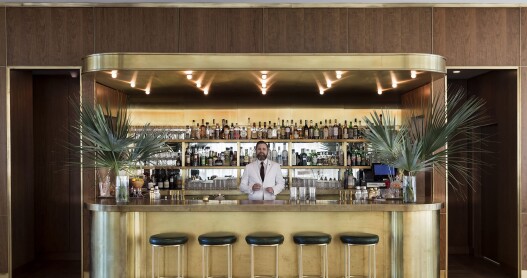
From lobby bars to rooftop lounges, these are the hotel bars Afar editors love checking out when they’re checking in.
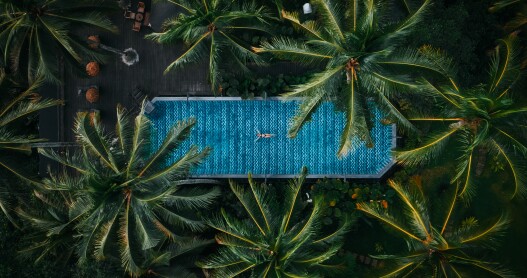
These hotel pools around the globe are worth building a trip around.
AFAR’s picks for the 31 best new hotels in the world.
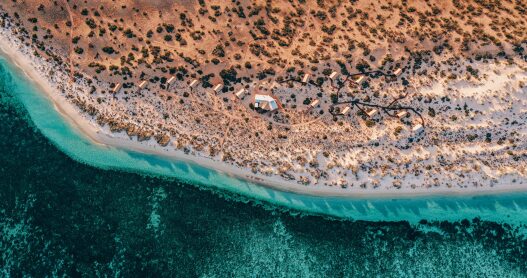
After having been decimated by wildfires in 2020, Southern Ocean Lodge in Australia is back—and it’s better than ever. Here’s a firsthand look at the reimagined retreat.
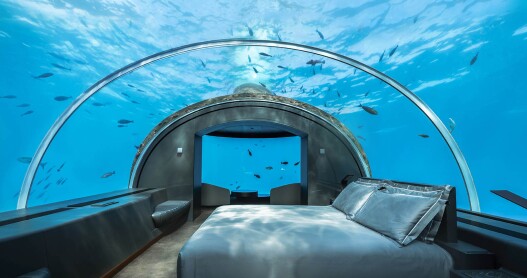
Sleeping with the fishes takes on a whole new meaning at these villas and suites under the sea.
There’s no shortage of luxury lodges, urban retreats, and pretty beach houses in Oz—but these are our favorites, from coast to coast.
Hotels can introduce their guests to the creativity that surrounds them—and reveal canvases visitors may not otherwise see.
Whether you’re after a view of Sydney Harbor or a neighborhood hangout with one of the best restaurants in town, these are the 15 best hotels in Sydney.
RESOURCES TO HELP PLAN YOUR TRIP
You’ll need to hire your own boat to get here, so it’s not the sort of pub you can simply stop into for a drink. But adventurous travelers seeking an offbeat drop and stay should look no further than this charming speck of an island in the middle of the Adelaide River. Yep, that’s the same Adelaide River that’s famous for jumping crocodiles. Kai Hansen (you’ll quickly understand why he’s been nicknamed “Happy”) is the sole inhabitant of Goat Island, unless you count his pet: an 11-foot, 770-pound saltwater crocodile named Casey. The bar is named after the joint’s toothy friend and serves burgers, hot dogs, fresh-caught barramundi, local crayfish and Kai’s famous croc balls. Don’t tell Casey what they’re made of. The place has long been a haunt of local fishermen, but the word got out. Call Jim at Arafura Boat Hire (+61 8-8988-1265) and tell him Happy sent you.
The town of Adelaide River, about an hour south of Darwin near the entrance to Kakadu National Park, has a layered history, starting with its role as a base for workers constructing the Overland Telegraph Line and continuing with its military presence during World War II and an influx of gold prospectors in the 1970s. Today, travelers mainly come to visit Charlie, the water buffalo that Mick Dundee (Paul Hogan) hypnotizes to the ground in the outback hit Crocodile Dundee. Charlie passed away in 2000, and since he was a loyal patron of the Adelaide River Inn for so long, he was stuffed and hung for all to appreciate.
This pub was made famous in Jeannie Gunn’s book We of the Never Never and a 1980 film of the same name. Gunn’s husband, Aeneas, is buried in the local cemetery, and the town has completely embraced the slogan “Capital of the Never Never,” even starting a Never Never Festival in honor of the story that put Mataranka on the map. The mock-up of the homestead used in filming is next to the bar’s car park. After you’ve explored the town and swam in one of its many thermal pools, cool down with a frosty beer in one of the outback’s most famous rooms.
The Daly Waters is everything an outback pub should be: kitschy but “fair dinkum” (genuine) and in the middle of Woop Woop (the Aussie term for “the Boonies”) but still offering revitalizing grub and grog. Oh and there must be beds, considering the next one could be a few hundred miles away. This ancient watering hole, established in 1893 and named after this small town along the Explorers Way between Alice Springs and Darwin, ticks all the boxes and then some. The tap beer is delightfully cold (kept at a degree below freezing), and food offerings range from kangaroo loin and crocodile sliders to chicken shnitzel. The decor is the best part; everywhere you look there are hilarious mementos left by patrons. Are those bras over there? Yup. An Irish hurling stick? Yeeeaah. Why is that weird?
Before America had the Outback Steakhouse, Australia had The Overlanders in Alice Springs, a Northern Territory institution housed in the building that served as Alice Springs’ first town hall. Opened by Daphne Campbell (now Calder) and named after the Australian drama The Overlanders in which she co-starred, the place is part restaurant, part museum where antique leather saddles and framed playbills showcase the ranching and film history of the town. Celebrity fans should look for familiar autographs on the “windmill of fame.” Besides the decor and heritage, locals and tourists flock here for the quintessential cuisine, exemplified in The Drovers Blowout menu: a four-course meal that includes a platter of crocodile vol-au-vent, kangaroo fillets, buffalo medallions and wild camel served with plum sauce.
Decorated with Aboriginal motifs and located inside a hotel that’s built to look like a saltwater crocodile, I guess it’s no surprise that Escarpment Restaurant at the Mercure Crocodile Hotel specializes in bush tucker, or native Australian foods.
A quieter version of Uluru’s Sounds of Silence or Tali Waru desert dinner, this Kings Canyon spinoff offers a four-course meal in a rugged wilderness setting blanketed by the same southern night sky. The moon and flickering fire provide the only light, while soft music and rustling oak trees create a romantic background for intimate conversation. Sparkling wine and canapés are followed by a menu focusing on the fresh local produce of the Australian outback.
Benjamin Matthews, formerly known as “The Pizza Man” at various Darwin markets now runs an outdoor pop-up Italian restaurant called Cucina Sotto Le Stelle at the Nightcliff Foreshore. Follow the smell of wood-fired pizza mingling with tropical sea air to find in-the-know locals and travelers gathered at checkered communal tables eating squid-ink pasta and chewy pizzas topped with prawns and local veggies as well as salty muscles and other Northern Territory specialties. It’s the best thing that’s happened in this part of Darwin since the Mindil Beach Markets began. Cucina Sotto Le Stelle pops up every Wednesday and Friday at 5pm, but check the Facebook page for updates.
Led by Peter Abbott and his wife Christine, this one-hour cultural tour is held on the couples’ ancestral lands near Kings Canyon. Travelers move between demonstration sites where they learn about the eating, hunting and artistic traditions of the Luritja and Southern Aranda clans. The hour might include the burning of medicinal plants, engraving wooden clap sticks and the preparation of bush tucker, including the witchetty grub, an insect found in the roots of acacia trees that tastes a lot like popcorn when cooked over an open fire.
Feeling useless as an ashtray on a motorbike? No wukkers. Learning Australian slang is too easy with some fair dinkum tips. Sweet as!