When’s the best time to go to Buenos Aires?
Temperate spring (September to November) and autumn (March to May) are the most desirable times to visit Buenos Aires. Though winter days (June−August) are shorter, and the weather is gray and chilly. The Argentine capital almost never sees snowfall and the cold weather is fine for cultural sightseeing, but winter visitors miss out on the long strolls, park outings, and outdoor café action that make the city so charming. January is oppressively hot: schools are out, some businesses close, and porteños (what the locals call themselves) with enough money to clear out take refuge at beaches outside of the city.
How to get around Buenos Aires
Nearly all international flights arrive at Ezeiza International Airport (EZE), located about 22 miles from the city center. Though public buses serve the airport, they’re notoriously inconvenient; you’re better off paying for a taxi at the official desks inside the arrivals hall. (Prices fluctuate all the time; the current price of 900 pesos is about $15.50.) Some shorter flights arrive at Buenos Aires’ smaller, more central airport, Aeroparque Jorge Newbery (AEP).
Once in the city, public transportation options include the traveler-friendly Subte (subway) and a vast, somewhat overwhelming, but efficient and fast system of colectivos (buses). Purchase Subte tickets in the underground stations before boarding, and if you’re getting on a bus, be prepared with exact change in monedas (coins) to feed into the machine behind the driver. Taxis are abundant and affordably priced; just be aware that many taxistas refuse large bills.
Can’t miss things to do in Buenos Aires
Some cities have food trucks; Buenos Aires has roadside carritos. Look for billowing smoke—or just follow the mouthwatering aroma of sizzling meat—to one of these rickety grill stands. Then ask for a local favorite, the choripán (a chorizo sandwich), and use a plastic spoon to top it off with freshly prepared chimichurri, set out in small bowls near the grill.
Food and drink to try in Buenos Aires
Argentina is world famous for beef; you’ll find it on nearly every table in Buenos Aires, from basic parrillas (steak houses), where grilled steak are served with chorizo, papas fritas (french fries), and green salads, to upmarket restaurants where rare cuts of bife de chorizo are perfectly paired with Malbec from Mendoza. Though vegetarian cuisine and ethnic food trends have been relatively slow to catch on in this meat-eating culture, you’ll find a growing number of international options in the Palermo Soho and Palermo Hollywood districts.
Culture in Buenos Aires
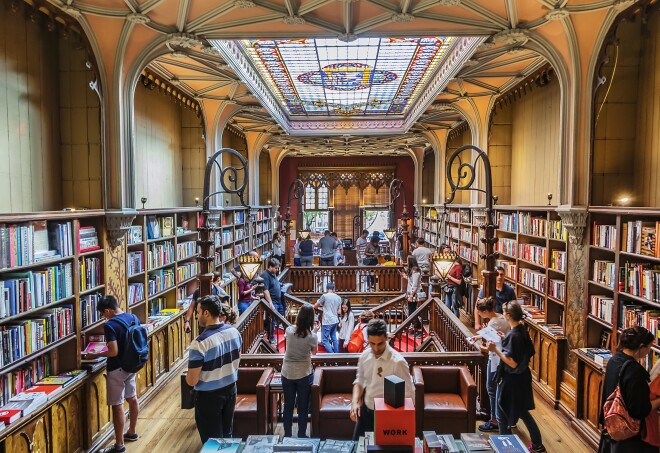
Architecturally speaking, Buenos Aires is fascinating, particularly along the Parisian-style Avenida de Mayo and throughout the historic barrios of San Telmo, Recoleta, San Nicolás, and Monserrat, where the grand Spanish and Italianate buildings stand as testament to the city’s proud immigrant past. On rainy days, see some of the city’s museums—MALBA hosts many of the most significant Latin American art exhibits.
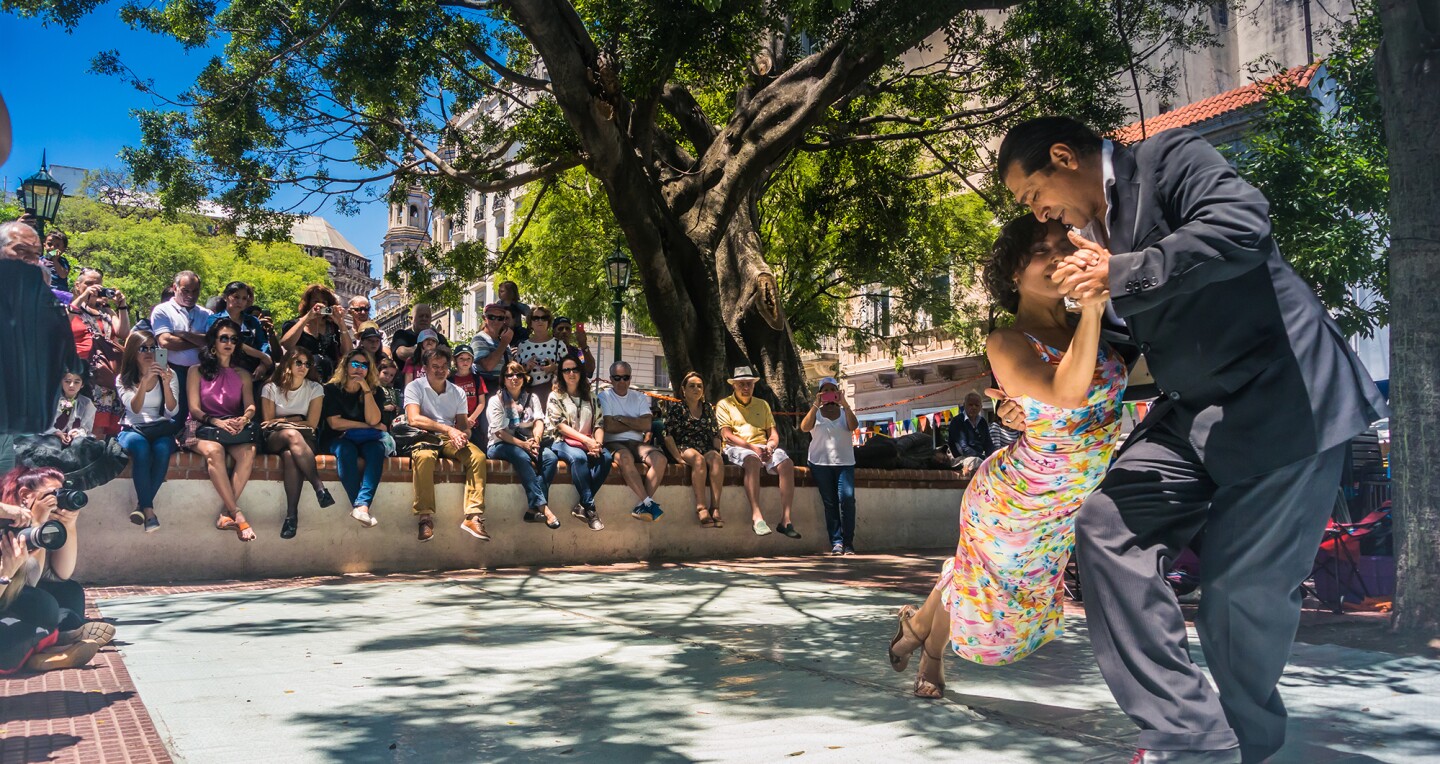
For the most authentic taste of porteño culture, you’ll have to wait until after dark, when local dancers crowd the floors of traditional milongas (tango clubs) and imaginative musicians and DJs mix and mash provincial Argentine music with cumbia, hip-hop, and house music in the city’s nightclubs.
Buenos Aires hosts major events throughout the year. The biggest draws are the ArteBA art exposition, Feria del Libro book fair, Tango Buenos Aires Festival y Mundial, Casa FOA design festival, and La Exposición Rural, a farm show−like agricultural fair.
Local travel tips for Buenos Aires
In Buenos Aires, you can always spot the out-of-towners. They’re usually wandering around the streets in the evening, hungry for dinner at 7 p.m.—and wondering why none of the restaurants have even turned their lights on yet. As a rule, the locals have a light breakfast (often coffee and medialunas—sweet, croissant-like pastries), a late lunch, and merienda (a snack with coffee, mate, or tea) around 5 or 6 p.m. Dinner never happens earlier than 8:30 or 9 p.m., often much later on weekends. Note that the city empties out in January, with many porteños away on their summer vacations.