

Valencia is made for embracing the local al fresco lifestyle. With more than 300 days of sunshine annually, the Spanish city’s mix of UNESCO-listed landmarks, rich culinary heritage, contemporary culture, and expansive Mediterranean beaches creates a rewarding travel experience. Ranked the world’s best place to live for expats by InterNations in 2024, the destination offers everything from sipping regional wine with sweeping ocean views to discovering art and science museums.
Warm weather complements a wide array of attractions—you can enjoy delicious cuisine, explore art and cultural highlights, wander cobblestone streets lined with historic buildings, and admire the region’s picturesque landscapes, including the Mediterranean coastline, pine forests, and wetlands. Here’s why the vibrant city of Valencia belongs on your travel list.
How to get to and travel in Valencia

Valencia is a walkable city.
Courtesy of Valencia Tourism
Valencia Airport (VLC) connects to other European hubs, or you can take a high-speed train straight to Valencia’s city center in just a couple of hours from Madrid. For local transportation, Valencia is very walkable, so it’s easy to get around on foot to see all the major highlights.
Or hop on the Valencia metro, which is safe, clean, and runs frequently, connecting the top attractions. There’s even a line that goes to the airport. Valencia’s two main city beaches, Las Arenas and Malvarrosa, are within two miles from the historic center and easily reachable by public transport, bike, or taxi.
Visit historic sites
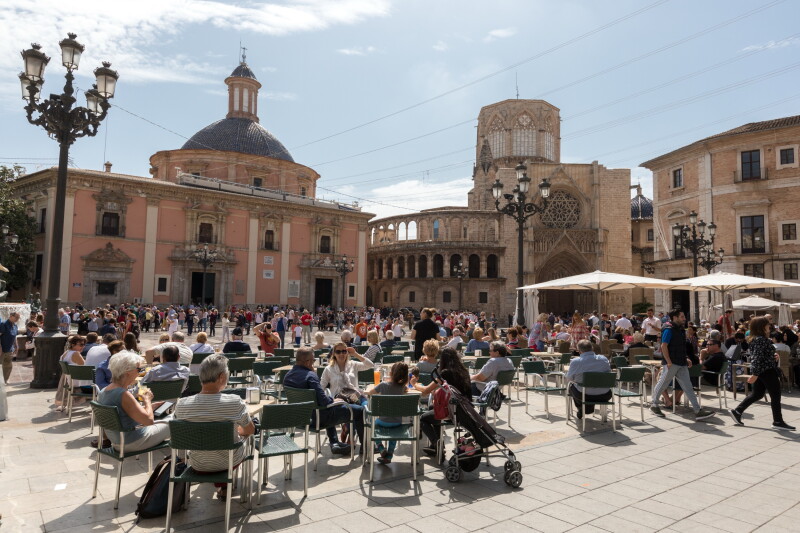
Valencia’s Plaza de la Virgen
Courtesy of Turisme Comunitat Valenciana
This centuries-old city has many storied locations worth visiting. Start with La Lonja de Seda, a 15th-century Gothic building that was once the city’s silk exchange and today is a UNESCO World Heritage site. Nearby, visit the Valencia Cathedral, where you can view Renaissance-era frescoes and what some believe to be the Holy Grail, the goblet reportedly used during the Last Supper. Climb to the top of the bell tower, El Miguelete, for panoramic city views.
An easy way to familiarize yourself with the city’s food traditions is to check out the food stalls in the modernist Central Market. Explore more city history at the town hall, and snap photos of Plaza de la Reina, one of Valencia’s most famous squares.
Go to the City of Arts and Sciences

The City of Arts and Sciences
Courtesy of Turisme Comunitat Valenciana
Valencia values its history but is also known for its contemporary vision and forward-looking design, most notably the architecturally stunning City of Arts and Sciences. Designed by Santiago Calatrava, the striking complex of modern buildings surrounds a sparkling expanse of water.
You could spend days among the art museum, aquarium (one of the biggest in Europe), planetarium, science museum, and more—and still not see it all. These attractions are among Valencia’s most family-friendly, especially the Oceanogràfic, home to one of Europe’s largest underwater glass tunnels, where sharks and fish swim directly above you.
The Museu de les Ciències features interactive exhibits and the only science musical in Spain at its very own science theatre. See 3D films on topics such as the Northern Lights and upcoming eclipses projected onto the dome at Hemisfèric.
Choosing a hotel in Valencia
The juxtaposition of Valencia’s history and modern culture also shows up in its hotels, which help give travelers a deeper sense of place. Hotel Caro is housed in the former Palace of the Marquis of Caro. Renovated with a minimalist design, the property features second-century Roman mosaics and a 12th-century Arab wall.
Or stay at the Hotel Palacio Vallier. This former 1883 palace sits on the site of a third-century Roman perfumery, elegantly updated to highlight its former regal status.
Eat traditional Valencian foods

Lobster paella
Courtesy of Turisme Comunitat Valenciana
Paella may be the first food that comes to mind when you think of meals here—the dish has a long history in the region. Plan to order it during a leisurely lunch with sea views.
But Valencia’s culinary traditions go well beyond paella. Horchata is a refreshing drink made from tigernuts that thrive in Valencian soil. You can sip it at horchaterías such as Horchatería Santa Catalina, which dates back to the 18th century.
The area also has three Designations of Origin wine regions: Valencia, Utiel-Requena, and Alicante. Other classic Valencian culinary experiences include tasting seafood, perusing the city’s tapas scene, and eating a sandwich during esmorzaret, the city’s official morning snack time.
Bike, walk, go sailing, and more

Sailing off the coast of Valencia
Courtesy of Turisme Comunitat Valenciana
Valencia’s outdoor lifestyle comes naturally, thanks to year-round pleasant weather and sunshine. Join the locals paseando (walking) the city’s streets, squares, parks, and oceanfront paths, or relax while enjoying drinks on a terrace.
Active travelers can also try the city’s many outdoor wellness, fitness, and leisure activities. Golf at El Saler, which is about 20 minutes outside of the city. You can also cruise the Mediterranean with a sunset catamaran ride, bike or stroll around the verdant Jardín del Turia, or run the annual Valencia Marathon that takes place each December.
To dive deeper into Valencia’s lively and warm culture, visit during Las Fallas. The annual spring festival features dramatic burning ceremonies of satirical wooden statues, parades, and more.
Explore the area’s Mediterranean landscapes

Altea
Courtesy of Turisme Comunitat Valenciana
Venturing beyond Valencia’s cityscape rewards travelers with L’Albufera, a wetland known as the birthplace of paella, and hilltop towns such as Altea. Hiking and more await among the peaks of the Sierra Calderona, and you can enjoy beach days on the inviting white sands of the Costa Blanca. Rejuvenate at spas like Sha, which uses health optimization technology to improve your well-being.
Whether you unwind on the beaches, dedicate your time to Valencia’s city center, or visit the area’s vineyards and villages, the ease of this Mediterranean region’s relaxed lifestyle pervades it all. Your only regret will be that you didn’t visit sooner.
For more information about Valencia, visit the Turisme Comunitat Valenciana website.


