Vietnam

The Vietnamese countryside can feel like an impossibly beautiful place, with rice paddies extending in every direction, or at least up to the highlands, a mountain chain often shrouded in blue mist that forms the western spine of the country. The eastern side of Vietnam faces the South China Sea, with palm-lined beaches and islands that are emerging as popular resort destinations. You may also be surprised by the length of the country—at roughly 1,025 miles, it’s longer than California, and offers a surprising variety of destinations from bustling Ho Chi Minh City (Saigon) in the south to Hanoi in the north, with countless historic sites and natural wonders between the two. Halong Bay has left poets and painters—and travelers—in awe for centuries, while the country’s hill stations provide cool, literally, escapes.

Vietnam Has Reopened Borders to All Travelers

Photo by Nguyen Quang Ngoc Tonkin/Shutterstock

Overview

When’s the best time to go to Vietnam?

Given Vietnam’s enormous length, it can be difficult to pick a perfect time of year if you want to visit the entire country with the southern and northeastern monsoons impacting different regions at different times of the year. The safest months, however, are in the fall (September to December) and spring (March and April). The north of the country, and the highlands generally, can be cold in the winter while lower areas can become sweltering hot, and wet, in the summer.

How to get around Vietnam

Vietnam’s train service is dependable if not glamorous, and a good way to travel the length of the country. The journey from Ho Chi Minh City to Hanoi takes about 30 hours in all, though you will most likely want to stop en route at Hoi An, Hue, Da Nang, or other cities along the coast. If you prefer the freedom of your own car, hotels and travel agents can assist with hiring one with a driver. Given the relative cheapness of taxis, there’s little need to attempt to navigate the public transportation systems of Vietnam’s cities.

Can’t miss things to do in Vietnam

The must-see sites in Vietnam includes its two major cities. Ho Chi Minh City (Saigon) is the bustling, brash and buzzing metropolis of the south, which even 40 years after unification remains the country’s economic powerhouse. Hanoi, in the north, is the country’s capital and relatively more sedate. It has also managed to preserve more of its historic districts and buildings. Halong Bay is a can’t-miss-sight not just for Vietnam, but for the world generally. The UNESCO World Heritage Site has thousands of islands and karst formations that create an otherworldly seascape. Vietnam’s smaller cities like Hoi An and Hue provide relaxed and atmospheric counterpoints to the country’s metropolises and compared to the other parts of Southeast Asia, many of Vietnam’s beach resorts have yet to be overwhelmed by mass tourism.

Food and drink to try in Vietnam

In recent years, Vietnamese cuisine has made inroads around the world, with pho, banh mi, and other dishes are now familiar to diners far from the country. Given that Vietnamese cooking emphasizes fresh ingredients, however, there’s no comparing a banh mi served in Brooklyn or Berlin to one prepared using cilantro from a stand’s own garden and fish straight the sea. In Vietnam’s major cities, you’ll find a range of international restaurants and whether you are in the mood for pasta, sushi, or Chinese noodles, you won’t go hungry. The French influence in Vietnam extends to its food, and you’ll find excellent baguettes and pastries throughout the country.

Culture in Vietnam

Many of Vietnam’s cultural highlights are architectural: the Champa ruins at My Son; the 16th-century buildings of Hoi An, reflecting Japanese and Chinese influences; and boulevards, churches, and theaters constructed by the French and found throughout the country, though many are increasingly threatened by development. There are, however, other cultural highlights from water puppetry performances to the textiles and crafts created by Vietnam’s indigenous peoples.

Guide Editor

Singapore-based writer Sanjay Surana has traveled extensively in Vietnam and throughout Southeast Asia.

READ BEFORE YOU GO
HOTELS
At these properties, the children’s programming goes far beyond basic caregiving services with immersive experiences that offer younger guests a deeper look into culture, nature, sustainability, and even themselves.
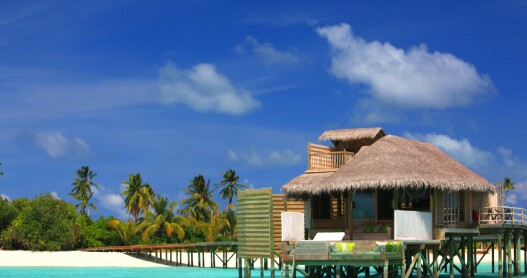
The world’s best beach resorts put cultural and environmental preservation front and center.
RESOURCES TO HELP PLAN YOUR TRIP
With a long and often tumultuous history that encompasses the heady days of the Champa Kingdom, Hoi An’s heyday as a regional trading hub, the American War, and Vietnam’s recent emergence as a tourist destination, the central part of the country is not short in intrigue.
Some attribute Hoi An’s plethora of tailor shops to its history as a center for the silk trade, even though the bespoke clothing boom is a recent one. Others maintain that the phenomenon comes from a Vietnamese propensity for copycat businesses. Either way, the ancient town has established itself as the place to get clothes made economically in Southeast Asia. If getting some new threads is on your Vietnam wish list, there are several reputable tailors and boutiques in town.
French-colonial influences meet Vietnamese cultural touchstones in the design hotels and family-friendly resorts of Hanoi, Danang, and Ho Chi Minh City. From opulent luxury or low-key authenticity, you’ll find the hotel that fits your style here.
From ancient kingdoms to reminders of the period of French colonial rule and the “American War,” Vietnam is filled with UNESCO World Heritage landmarks and architectural wonders, like royal palaces and fishermen’s stilted houses. Add in traditional markets, ethnic villages, and otherworldly landscapes, and you have a country that promises surprises at every turn.
A jumping-off point for exploring Hoi An on Vietnam’s central coast, Da Nang is coming into its own with new attractions and resorts, yet it still feels largely untouristed.
Close to Hoi An, tranquil Son My (My Lai) was the setting for one of the most horrific crimes of the American War when US troops killed at least 504 villagers in an orgy of violence. The Son My memorial -- a dramatic stone sculpture of an elderly woman holding up her fist in defiance -- is a poignant tribute to the innocents that died.
Perhaps the most relevant museum in Hanoi for American visitors is the Hoa Lo Prison Museum, popularly known as the “Hanoi Hilton” during the Vietnam War. Its exterior is a strangely cheery yellow, and it was part of a complex built by the French around the turn of the 20th century. You’ll know you’ve reached the building when you see its original French name, Maison Centrale, in bold letters above the entrance. The exhibits cover both the French treatment of Vietnamese prisoners and the U.S. soldiers and pilots housed here during the Vietnam War—including Senator John McCain, who was detained here from 1967 to 1973. (His flight suit is among the displays.) A visit can be a powerful, and at times emotionally difficult, experience.
A journey to Son Tra Peninsula is a must for many reasons, not least the opportunity to visit Linh Ung Pagoda. The temple is the largest in Danang and is spectacularly located on a knoll with fantastic views back towards China Beach and the Marble Mountains. It is impossible to miss the pagoda as it is located right next door to the giant white Goddess of Mercy statue.
An emblem of the new Vietnam, this 68-story skyscraper, named for a Vietnamese conglomerate and designed by Venezuelan architect Carlos Zapata, is easily identified in Ho Chi Minh City’s skyline—a helipad juts out from near the top, looking a little like a flying saucer crashed into the building. Upon completion in 2010, it was the tallest building in Vietnam; it can no longer claim that title (which now belongs to the Keangnam Hanoi Landmark Tower), but its construction remains an impressive achievement. The 49th-floor wraparound Saigon Skydeck offers expansive views of the river and the city’s concrete sprawl; you’ll find the same fine views at the somewhat pricey café-restaurant-bar Eon, located on floors 50, 51, and 52.
Bến Thành market has been around Saigon in one form or another for over 300 years. At some points it neighbored bodies of water including a small lake. It is a monster, overwhelming at first. If you come to Saigon and you love to shop, this is the one-stop shop you are looking for. Personally nothing is more thrilling at Bến Thành than the art of “The Barter.” It’s a strategic game of wits of where you pit product desire against pocketbook ability and the house always wins. It’s not always easy, in fact it’s never easy. Hot, stagnant air ripe with the smell of fish and squid always seems to hang in the air right over that gift you can’t live without. You’re constantly walking that fine line between feeling like you got ripped off or feeling you’re further oppressing the local population. Bến Thành is the stadium packed with hundreds of thousands of pieces of clothing, jewelry, and art- and they’re all yours to play for.