Tahiti

Tahiti is the largest island in the Islands of Tahiti archipelago in the South Pacific, commonly known as French Polynesia. Whether snorkeling a turquoise lagoon or surfing a black-sand beach, hiking to a waterfall or just to your hammock, or marveling at the colors of Papeete Market or at the agility of traditional dancers, it offers a mix of culture, adventure, and indulgence. Lodging is more affordable in Tahiti than on her sister islands, and you won’t need to arrange onward transport. But just because the island is convenient—an eight-hour direct flight from L.A.—doesn’t make it any less alluring as a destination itself.

Houses above the water with a large rocky mountain in the distance
Overview

When’s the best time to go to Tahiti?

Tahiti is really a year-round destination. If you had to choose, the absolute ideal months to visit are during the May to October “dry season,” when the weather is slightly cooler and there is less rain. That said, traveling between November and March can offer better rates. Although technically the “wet season,” the weather is usually still good: You will likely get periods of rain, but also plenty of blue sky. Expect higher humidity, though.

How to get around Tahiti

Faaa is the only international airport among the Islands of Tahiti. It is located on Tahiti itself, just a few miles west of the capital city, Papeete. Flight time from Los Angeles is only eight hours and the islands are in the same time zone as Hawaii, meaning there’s only two or three hours difference (depending on time of year) with the U.S. West Coast. (This makes jetlag much less of an issue than traveling somewhere like Fiji, where you will cross the international dateline.) Once on the ground, it is very easy to circle the island by rental car—there is just one main road and it hugs the coastline. Note there are no formal street addresses in Tahiti. Instead, locations are identified by PK (points kilometriques), which represent the distance in kilometers from Papeete cathedral.

Can’t miss things to do in Tahiti

- Tahiti underwater is sublime, so make sure to go snorkeling or diving.
- Try surfing, too—it was invented in Polynesia, possibly in Tahiti.
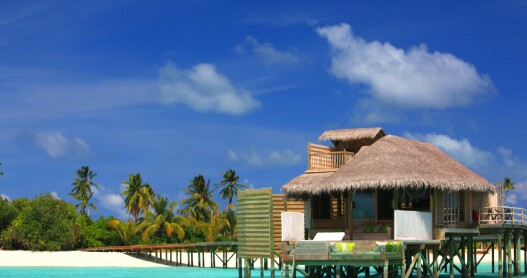
- If you’re by the beach, stay at least a couple of nights in an overwater bungalow if you can.
- Away from the sea, catch a Tahitian dance performance at a luxury hotel—it’s mesmerizing.

Food and drink to try in Tahiti

Fresh fish and seafood is a staple in Polynesia. The national dish is poisson cru, freshly caught raw fish (usually tuna) with diced vegetables marinated in lime and soaked in coconut milk. It is absolutely delicious and can be served with rice. Chevrettes are another popular Tahitian delicacy. These are freshwater shrimp often grilled or cooked in a French-influenced butter sauce.

Culture in Tahiti

Music and dance have long been an integral part of Tahitian life, and today learning the traditional dances is as popular with locals as tourists, who fill the many schools in Papeete. There are four main styles of dance in French Polynesia, and many hotels offer performances with dinner at least once a week. But to really experience the best of Tahitian dance, visit during Heiva I Tahiti: a major festival of traditional Polynesian culture that takes place for a week each July in Papeete and includes music, dancing, singing, and sports. Another large and important festival is the Billabong Tahiti Pro Surfing Tournament, which is an international, professional-level surfing contest held at Teahupo’o in Tahiti Iti over three days each May.

For Families

Tahiti is a great destination for families, especially if traveling from the West Coast. With the island just an easy eight-hour direct flight from Los Angeles and on the same time zone as Hawaii, it doesn’t take little ones long to adjust. Many resorts have kids clubs and are specifically geared towards families. And with adventures from snorkeling to waterfall hikes, there is plenty to do.

Local travel tips for Tahiti

Stay in a family-owned pension or Tahitian B&B to truly experience Tahitian life and culture. Spend your morning fishing with the locals, then take your fresh catch to the nearest motu (like a kind of mini island) for a picnic to remember.

Nearly every activity can be booked through your hotel, pension, or guesthouse upon arrival.

The tattoo art form was invented in Polynesia (or, at least, that’s where Europeans first enountered it), and today many Polynesians sport beautiful works of art as symbols of their personal identities.

Guide Editor

READ BEFORE YOU GO
HOTELS
The world’s best beach resorts put cultural and environmental preservation front and center.
While a stay in the famously lavish resorts of Tahiti and Bora Bora may be a dream vacation for many, the local guesthouses offer travelers a deeper look into Polynesian culture and life.
RESOURCES TO HELP PLAN YOUR TRIP
Captain James Cook set up his observatory at Point Venus, one of the loveliest spots on the island. The transit of Venus, which happens maybe once a century, lets observers here see the planet move across the sun. (That’s the official reason for the name, but there’s no doubt Cook’s crew, after months at sea, had a different Venus in mind when they saw Tahitian women.) Now the point’s a windswept corner of the island that feels like there’s nothing between you and another world but the sea. The lighthouse here, Phare de la Pointe Vénus, was built in 1868, 99 years after Cook’s visit.
To see how one family worked out their idea of living in paradise, head to the James Norman Hall Museum (La Maison de James Norman Hall). Hall was the coauthor of the book Mutiny on the Bounty, and with the book’s bounty, he bought a swath of Tahitian beach and built his dream house. Captain Bligh had been sent to Tahiti to collect breadfruit to be transplanted in the West Indies where it was hoped it would prosper as a food source for sugar plantation workers, so don’t miss the breadfruit trees planted here. (If you’ve not tried the fruit, it tastes like a cross between a grapefruit and a pineapple. Delicious.)
Serving up creative French and Polynesian fare, as well as some wood oven pizza choices, Blue Banana is a trendy restaurant right on the lagoon in Punaauia. Portions are small but well presented and there is an impressive wine list, including French vintages, stored in the air-conditioned cellar. The ambiance is buzzy and it is best to arrive pre-sunset and ask for a table out on the pontoon to watch the sunset over Moorea in the background.
Overview
The islands of Tahiti have given the world a lot of popular ideas: This is the birthplace of the overwater bungalow, of surfing, the tattoo, and also . . . the food truck? Yep! Well, maybe not officially, but dozens of years before food trucks became popular, Tahiti was rocking the game with their roulottes. These trucks, which serve everything from traditional island fare to cheeseburgers, pizza, and Chinese food, can be found all around Tahiti, but the greatest concentration is in Papeete, where dozens of the colorful trucks congregate at Vaiete Square. Come for dinner or dessert.
Holy Steak House is run by Thierry and Bénédicte Sauvage, who also own the popular Restaurant Le Coco in Punaauia on Tahiti. Located in Haapiti, this Moorea restaurant boasts unique, contemporary decor indoors—we love the mix of floor-to-ceiling windows and wood-beamed ceiling with modern chandeliers. The varied menu changes monthly, though you can, of course, expect excellent steaks. An elegant outdoor wine bar, with comfortable chairs and water views, has a strong wine (and cocktail) list, with vintages from around the world. Free shuttle service runs to and from a number of resorts, including the Hilton Moorea Lagoon Resort & Spa and the Hôtel Hibiscus. Reservations suggested.
Café Maeva serves excellent French coffee, smoothies, pastries, and proper meals up on the second floor of Papeete’s popular Le Marché shopping complex. Come for the good breakfast menu or wait for lunch, when a mix of Tahitian and French dishes are offered. The standout, a very fresh poisson cru, comes in a number of different versions. The free Wi-Fi and the warm, pleasant vibe may bring you back tomorrow.
Set on a hill some 2,000 feet above Papeete, with impossible views of the sea and Moorea beyond, O Belvédère is the place locals take visitors for thrilling sunsets and good food. The restaurant and bar have the air of a tree house—the outdoor terrace is even built around the trunk of a tree. An inviting swimming pool on the hill below and occasional live music add to the already strong appeal. Arrange for a 5 p.m. pickup from your hotel to reach the restaurant in time for a celebratory sundown cocktail. The fondue is highly recommended.
The airline’s “Embraced by Mana” air-and-hotel vacation promotion reveals 10 different paths to the South Pacific.
The very hungry come to Le Grillardin, on Rue Paul Gauguin near downtown, for very well-prepared, huge portions of foie gras. Yep, in French Polynesia. Of course, there’s also excellent seafood, and reasonable prices for Papeete.