
Madrid

Madrid, the heart and soul of Spain, conjures swirling wine, salty ham, stomping flamenco boots, and the colorful bravado of bullfights. A cultural epicenter, the city has art that gushes from museums and infuses ancient roads with new breath and life. Madrid is entrenched in tradition, but the people are in constant motion—museum-hopping, street-strolling, tapas-eating, and sangria-drinking. Don’t forget those magical sleepy hours of siesta when a blanket of silence allows the city’s batteries to recharge. Slip into the Madrileño lifestyle, enjoy the lingering moments of each day, and take advantage of every hour of the night.

Madrid at sunrise

Photo by Boris Stroujko/Shutterstock

Overview

When’s the best time to go to Madrid?

The sun is nearly always shining in Madrid, which makes it an ideal destination year-round. For a truly local experience, skip August, as many Madrileños shut down their businesses and travel to escape the brutal, dry heat. May 15 marks the anniversary of 15-M, the 2011 student protests against austerity policies, and the whole month is a hotbed of protests, marches, and political demonstrations in the downtown area. This is also when the famous San Isidro bullfights take place, so the city is absolutely bustling.

How to get around Madrid

The unbeatable convenience of the AVE, Europe’s fastest high-speed train, makes traveling across Spain a cinch. For arrivals by air, Madrid Barajas Airport is located in the northeast of the city, and from there it’s a cheap train ride to anywhere in the city. A taxi bank awaits outside the arrivals area, with a €30 fixed fee to get into the city, with a €5.50 supplement (about US$6.25) when leaving the airport. For bus journeys, ALSA is the best for both domestic and international travel from Madrid, but the overnight options tend to be long and punctuated with several stops.

Madrid’s Metro is easily one of the best in the world, covering the entirety of the city with regular service. Employee strikes are becoming more frequent, and this can sometimes lead to 20-minute wait times. On strike days, you’re typically better taking a taxi or pounding the pavement. Don’t dismiss the bus system—it’s one of the better ways to stay above ground and take in more of the city than you thought possible. The Madrid Transport system has a highly functioning website in English, allowing you to plan your public transit easily.

Can’t miss things to do in Madrid

Sunset at Temple de Debod after a ride on the cable cars in the southwest part of the city is one of the most magical experiences you can have in Madrid. The capital sparkles like a jewel under the setting sun, the river gleams below like a gold necklace, and you are sailing above the city.

Food and drink to try in Madrid

A foodie haven, Madrid is home to fabulous ham, cheeses, wines, and desserts all served in places packed with character. The eyes of the culinary world in Madrid are focused on the future—expect to see many fusion restaurants and unique takes on Iberian classics. The Spanish tradition of tapas is alive and well, and the smaller portions allow diners to sample all the famous food and drinks—jamon serrano, paella, gazpacho, riojas, and riberas—without busting the belt.

The Tavernas and Tapas walking tour, organized by AFAR’s travel partner, Context, and led by either a culinary expert or a chef, explores all the tasty angles of Madrid’s tapas food culture.

Culture in Madrid

From flamenco and soccer to bullfighting and ham, Madrid has a proud tradition of culture seeping from every corner of the city. Hemingway’s haunts dot the trails of downtown, and the tapas and beer spill out into the streets, begging you to stop and spend a moment soaking in Madrid.

Epiphany, in early January, is Spain’s favorite holiday, when presents and parades abound in the city. The entire downtown closes to enjoy and participate in the parade, while the Three Kings throw candy to the cheering crowd. To see the real spirit of Madrid, visit in mid-May when the San Isidro festival transforms the city into an earlier version of itself. Everyone, young and old, dresses in traditional Madrileño costumes and dances the night away in the San Isidro neighborhood. This is also when the famous San Isidro bullfights are held at Las Ventas arena, and the city pulses with energy.

Local travel tips for Madrid

- Except in downtown Puerta del Sol, the siesta is alive and well and is taken anywhere from 2 p.m. to 5 p.m. Live like a local, plan your shopping accordingly, and enjoy the silence of the city in these hours.
Tranquilo (think tranquil) means “to calm yourself” and is the motto of the Spanish lifestyle. Service may be a bit slower here, but enjoy the ride, shrug your shoulders, and indulge in people watching. There is no rush.
- Tipping is not customary at most restaurants. If your service was exceptional, by all means show your gratitude, but for most occasions simply leaving the change (under 1 euro) and departing with Gracias (“thank you,” pronounced gra-thee-ahs) is appreciated. Of course, this does not apply to high-end venues, where tipping norms are adhered to.
- Look out for the lisp! Madrileños (locals) have a heavy lisp and speak at lightning speed, usually only pausing to roll their eyes or light a cigarette. Don’t be disheartened if you cannot understand them. Just join in and say vale (vah-lay), which means “okay.”
Guide Editor

READ BEFORE YOU GO
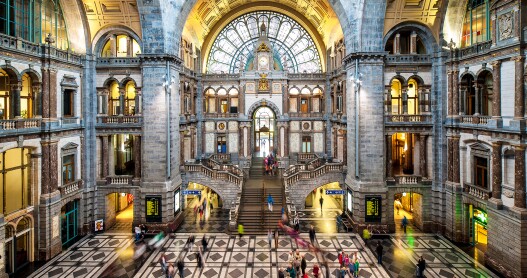
With their historical significance and elaborate architecture and design, these handsome buildings are destinations in themselves.
RESOURCES TO HELP PLAN YOUR TRIP
Renowned chef Paco Roncero re-interprets everyday Spanish food without crossing the line into pretentiousness at Estado Puro; here, flavor matters more than presentation and dishes are perfectly portioned. Patatas bravas, fried potatoes spiked with red pepper, is perhaps the most typical bar snack in Spain however Estado Puro has successfully re-interpreted the ubiquitous dish. Using hollowed, roasted baby-potatoes filled with spicy sauce it’s a subtly new take on a Spanish classic. If you’re staying for a snack or meal try the chipirones, cod-fritters, and creative mojitos too. The restaurant is also uniquely designed. Under the glass-topped bar you’ll notice endless rows of tiny flamenco dancer dolls while above you’ll see undulating rows of peinetas—the traditional decorative comb used by Spanish women to hold their flowing mantillas, veils, in place. In Madrid the dinner begins late, so if you eat before nine in the evening you’ll feel as if you have the place to yourself. There are also two Estado Puro restaurants; one across from The Prado and another around the corner from the Plaza Santa Ana (one of Madrid’s liveliest squares at night).
If you’re in Madrid and in the mood for tapas, you might not know exactly where to go or what to taste. The Mercado San Miguel (metro Sol) takes away all that decision-making by providing you with a taste experience all under one roof. The old, derelict market was renovated just a few years ago and turned into an upmarket culinary emporium of sorts. It has more than 30 food stalls, each selling something different. My favorite is the bellota ham sold at Carrasco, but there is plenty more. You can sample sherries and Rioja wines at the wine bar, or do as Spaniards do and pick away at tapas as you make your way through the market. I highly recommend the croquettes, or croquetas, in one of the outside alleys: they have ham, chicken, shrimp, cheese and a variety of others. The more standard tapas area easy to find, like tortilla, and seafood is beautifully laid out for you to pick and choose. Right in the middle is my top-rated tapa place. I couldn’t find a name for it but it’s the largest counter, shaped like a U, and has everything from potatoes aioli to steamed razor clams, with everything in-between.
There’s no shortage of architecturally-interesting museums and performance spaces in Spain but few come by their intrigue as honestly as Matadero Madrid (which was once the city’s abattoir). Built in a neo-Moorish style, the sprawling center hosts all kinds of creative endeavors today, from a Bicycle Film Festival to concerts to design exhibitions.
Easy to find and hard to leave, Ramses is modern but ultra comfortable. They managed to create a completely differente atmosphere in each room—from romantic dining to a bubbly champagne bar—but the outdoor lounge was my favorite. When traveling I typically won’t visit a place twice but, while sipping sangria outside surrounded by locals, I knew I’d come back to Ramses.
They say Hemingway used to drink at La Venencia. If that’s true, you wouldn’t know it: there are no photos of Don Ernesto on its walls, no placards identifying Papa’s favorite table. La Venencia isn’t the kind of establishment to talk about its clientele; rather it holds their confidences tightly in its faded brown folds like any good bar should. The amber glow emanating into Calle Echegaray attracts you to La Venencia, much like a moth to a flame or perhaps, more appropriately, like a barfly to good sherry and sherry is all they serve. Posters of jerez festivals from the 1930’s paper the walls and share that same brown patina of the background as if to say that these aren’t replicas, they are originals with the scars of time to prove it. There are no menus. If you ask for one, the bartender will point to a listing hung over a table or one behind the bar. La Venencia is a wonderful place to enjoy a drink if you follow a few rules. Squeeze into the bar top. The bartender will jot in white chalk figures as you order. Order a copa of manzanilla fine and a tapa of queso and of chorizo. The bartender will slide you a small bowl of olives. Try them. Don’t take pictures inside; remember, the confidences described above. Pet the black cat sleeping on the table. When you ask for the cuenta the bartender will tally your order and then after you pay he will then wipe away your chalky notation with a quick swipe of his hand. I always found that very moment left me a little saddened.
This tavern-based tapas bar in Madrid was founded in 1906 and fiercely carries out the tapas tradition. It has had many famous patrons, including Andy Warhol, and has a great wine selection as well as beers to go along with the famous garlic prawns and langoustines.
Over the last several years, Madrid‘s river redevelopment has really come together. What used to be sludgy is now sparkling, with walkways and bridges intertwined along the river, with kids playing, people jogging and chatting. A great place to get away from the crowds, even in the winter. Tourists don’t really know about it, which makes it even better. Go at sunset so you can watch the lights of the city come on and the moon rise. Start on the south side, by the new Matedero arts center and move your way up north to the Royal Palace. Delightful way to spend an early evening.
Don’t miss Parque del Retiro—a stunning area complete with a lake, playgrounds, gardens, and fountains. It’s the perfect public space where anyone can enjoy the day by taking a walk, playing a game, going on a boat ride, or exploring to your heart’s content.
Despite its location in Chueca, to say nothing of its name, Bar Cock is not a gay bar. Rather, it is one of Madrid‘s oldest--and coolest--gin joints. Opened in 1921 by legendary barman Perico Chicote, it managed to stay open during the Civil War, and was a late-night hangout for Pedro Almodóvar and other creative young rebels during the 1970s movida. Today, there’s no better place in town for a classic cocktail and a little ambiance.
Madrid’s multi-level Mercado San Anton is a sight to be seen. Rows of gorgeous produce, local specialties, Italian deli favorites, briny seafood and locally-farmed meats line the perimeter of each floor, each stall more enticing than the one before it. Even better, its high tables and counters make it well-suited for a quick bite and glass of wine. For a relaxed sit-down meal, head up to the restaurant on the rooftop terrace and finish off the evening with a drink in the lounge.