Antigua and Barbuda

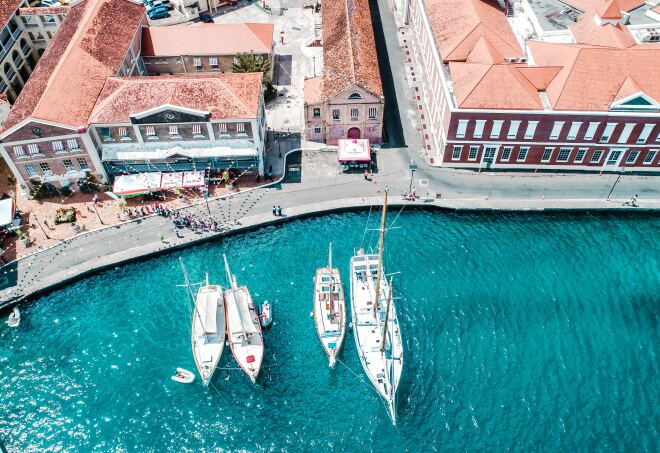
Antigua and Barbuda is a Caribbean destination that’s both exotic and accessible. Here you’ll find a rich history to explore, some of the finest rums, unique delicacies like the Antigua Black pineapple—considered the sweetest in the world—and, in the surrounding waters, a vibrant sailing scene unmatched in the West Indies.

Caribbean sea, Antigua and Barbuda, Antigua island, windmills of Betty Hope, old cane sugar plantation

RIEGER Bertrand

Overview

How to get around Antigua and Barbuda

Antigua’s location at the middle of the West Indies island chain means it’s closer than about half of all other Caribbean destinations. From the United States, several major airlines land at VC Bird International Airport, just five miles from the island’s capital of St. John’s. Soon, the older, though not terribly bad, facilities will be retired, as a modern, brand-new terminal is slated to open in early 2015. No visas are required for travelers from the U.S., Canada, and a wealth of other European Union countries. Barbuda has just one tiny village, Codrington, where the miniscule airport and ferry landing dock are located.

You’ve got two main options. One, a trusted taxi driver. Inquire at your hotel for someone they regularly use. A driver will happily shuttle you around, rates are fairly reasonable, and you won’t have to worry about overindulging in the great rum selection. Or, rent a car. It costs less than being driven, and you’re completely free to explore at your leisure, uncovering unique experiences with a little direction and a lot of chance. Most hotels and resorts can arrange a car for you once you’re on the island. Just remember, all those years of British influence mean they drive on the left in Antigua and Barbuda.

Local travel tips for Antigua and Barbuda

Barbuda is blissfully undeveloped. The island is famous for its bird population, and is a choice spot for birders. To see the island on a day-trip from Antigua sign up for a tour with the Barbuda Express (they also offer island day trips for people staying in Barbuda as well) and they operate the daily catamaran service between the sister islands. If you’re staying on the island, know that most of the independent restaurants in Barbuda require 24-hour advance reservations, because they only buy enough food for confirmed guests.

Guide Editor

READ BEFORE YOU GO
HOTELS
Stay up past your bedtime for these one-of-a-kind experiences.
RESOURCES TO HELP PLAN YOUR TRIP
You’ll need a bit of time if you plan on visiting each of Antigua’s best beaches - if you visited a different one every day, it would take an entire year to sample all of Antigua’s sugar-white sandy beaches. Yes, the island may have only 54 miles of coastline, but it boasts 365 beaches! And don’t think it’s all quantity and no quality. Many of Antigua’s best beaches are found on the protected Caribbean side, and all are open to the public.
International travelers have been able to visit the Caribbean island nation since June—as long as they follow these test and health screening requirements.
36 destinations to kick-start your travel dreaming and scheming.
High above English Harbour in Nelson’s Dockyard National Park sits the Blockhouse, a brick ruin. On a perch overlooking the southeastern coast of Antigua, the circa-1787 site encompasses an officer’s quarters and those of servants, as well as stables. An ammunition-storage space, a catchment and a cistern have been restored in recent years.

At the end of a secluded peninsula, right on Coco Point, which is Barbuda’s southernmost tip, Coco Point Lodge is one of only a few modern hotel resorts on the island. Although not five-star fancy, this all-inclusive property, is plenty comfortable offering a mix of rooms and private cottage rentals in small buildings scattered across the grounds. Bordered by some 2.5 miles of gorgeous white sand beach and safe, reef-protected swimming in the clear turquoise waters of Cocoa Bay, it is a good choice for active types as included activities feature everything from sailing to snorkeling, waterskiing to windsurfing and sea kayaking. Deep-sea, reef or bone fishing expeditions can also be arranged, as can day trips to the Frigate Island Sanctuary for birds.
Barbuda is famous for its mysterious caves, many of which are hidden so well that a guide is necessary to find them. But in Two Foot Bay National Park, on Barbuda’s wild northeastern coast, a visit to Indian Cave does not require any outside help. The entrance is at the top of a small bluff to the opposite of a stone ruin in the national park. Carved into the cliffs, the three-chambered cave features Arawak petroglyphs and a bat chamber, as well as stunning views of the ocean as you climb up through the cave to its “roof.” The caves can also seen as part of a day-trip run by the Barbuda Express ferry company.
As the region continues to recover from hurricanes Irma and Maria, find out which islands are ready to welcome travelers—and which ones aren’t. Updated February 2018.
With just nine suites in the middle of untouched and wildly gorgeous, pink-sand wonder of 11 Mile Beach, Lighthouse Bay Resort is Barbuda’s most exclusive lodging option and the ultimate spot to just unplug from digital reality for a few days. On a spit of land between the untamed Atlantic and a calm, shallow and picture-perfect lagoon, Lighthouse Bay is beyond secluded. There isn’t much to do beyond just being Zen, although boat tours to the famed Frigate Bird Sanctuary can be arranged, as can massage therapy or horseback riding along the sand. Also make sure to rise at least once for sunrise: it is an utterly stupendous experience. Because there is literally no other businesses anywhere near this property, prices are all-inclusive for meals and drinks. And the food served in the al fresco air restaurant is quite good – don’t skip the lobster salad. The beachfront bar is open until 11:30pm and makes all the classic island cocktail concoctions plus a mean fresh fruit smoothie.
Barbuda is a birders paradise, home to some 170 avian species, including one of the largest frigate bird colonies on the plant. Located in the vast Codrington Lagoon, which also hosts dozens of other species, off the island’s northwest coast, is the Frigate Bird Sanctuary, which is home to more than 5,000 of these black-feathered birds that like to roost amid the scrubby mangroves found here. Visit the sanctuary during mating season (September to April) if possible. The birds have a fascinating ritual. While the female birds circle above, the male frigates line up in the bushes with their heads arched and chests puffed, and try to attract he attention of a potential mate. When a female frigate sees a male that she fancies she lands at his feet and begins the mating ritual. The lagoon can only be accessed by licensed sea taxi from the jetty in Codrington – boat drivers act as tour guides. Arrangements can be made through your hotel. The taxi tour costs about $70 for up to four people, and admission to the park is just $2 per person.
Barbuda’s most accessible beaches are located on its equally stunning southern shore. Here you’ll find the gorgeous Coral Group Bay and Access Beach, located about a half-mile north of Coco Point, which is where to head for excellent just offshore DIY snorkeling amid untouched coral reefs. There is more fantastic snorkeling in the unpolluted waters of Gravenor Bay, which is located between Coco and Spanish Points, and is home to thriving reef formations. Coco Point is where Barbuda’s leeward and windward sides meet. Make sure to walk out to this tip – it feels like walking the end of the world. The uninhabited peninsula that leads down to Spanish Point is also of note, as archaeologists believe it was once the location of a major Arawak settlement and today tours are offered to the caves where walls are adorned with ancient drawings. This area is also home to one of the island’s three resorts, the Coco Point Lodge.