
7 U.S. Cities Where the Riverfront Is the Place to Be
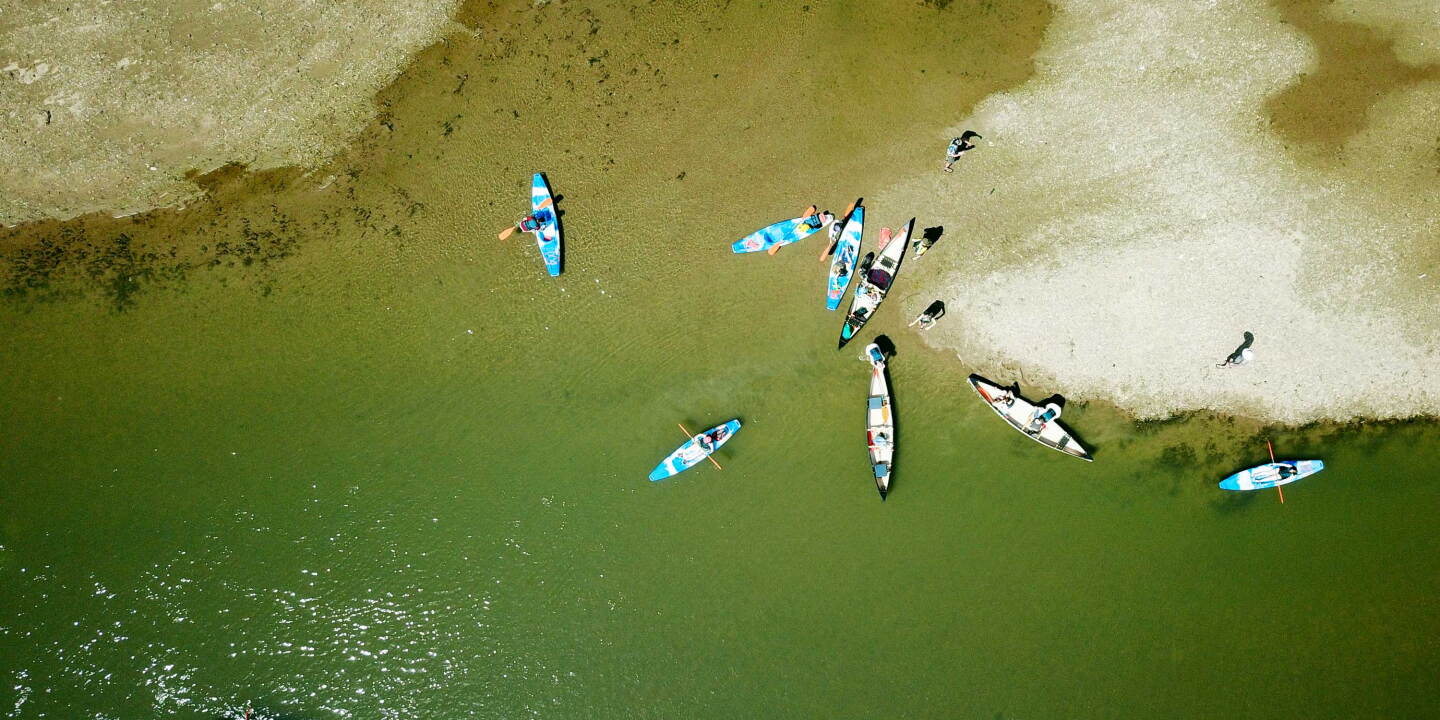
Since 2018, local organizations have been working to clean and revitalize Indianapolis’s White River.
Photo by Grant Kinast/Frank’s Paddlesports Livery
U.S. rivers are having a renaissance. Across the country, once-neglected waterfronts have transformed into epicenters for dining, outdoor recreation, and cultural life—which leads to even greater revitalization. “Some cities [that have revamped their waterways] find a real economic boom to their urban core,” says Gary Belan, senior director of the Clean Water Supply program at the nonprofit American Rivers.
From a Southern mill town to a Midwestern metropolis, these seven destinations offer visitors new ways to experience life on the water.
Indianapolis, Indiana
Restoration of the White River
Size: 28 Miles
Cost: $2 billion
Completed 2025

The free White Riverway Adventure Pass, which activates every April 1, rewards river check-ins with points redeemable for prizes, all to encourage residents to claim the river as their own.
Photo by Daniel Woody/Frank’s Paddlesports Livery
The 14-year DigIndy project included building a network of tunnels 250 feet below the city to help restore Indianapolis’s polluted White River. The refreshed waterways have seen the return of otters, osprey, softshell turtles, and eager local crowds. Frank’s Paddlesports Livery, based at Riverside Park, offers paddling trips that stop at islands along the way. The company also hosts a full-moon float, during which paddlers experience a moment of shared wonder as the skyline softens at dusk. “My goal is for the White River to become Indianapolis’s front porch. The place where the city can finally slow down and remember what we’ve got,” says Frank’s founder and river advocate, Peter Bloomquist.
Where to stay: The InterContinental Indianapolis, which opened in 2025, is the city’s first luxury hotel in 20 years. Its 11 stories include a penthouse suite and Astrea, a rooftop bar with a panoramic view of Monument Circle, a gathering place at the heart of the city.
Where to eat: Bluebeard has been championing Indiana agriculture in the neighborhood of Holy Rosary since 2012. The menu changes daily, with an emphasis on house-made pasta, locally grown seasonal vegetables, and hearth-baked bread from Amelia’s next door.
What to do: Race a qualifying lap around the Indy 500 with immersive simulators inside the reconceptualized Indianapolis Motor Speedway Museum. Then learn about the city’s hidden history on a Walk & Talk tour with Black-owned company Through2Eyes.
Detroit, Michigan
Ralph C. Wilson Jr. Centennial Park
Size: 22 Acres
Cost: $80 million
Completed 2025

The broader Detroit riverfront connects five parks through eight miles of pathways.
Photo by Nadir Ali
Detroit Riverfront Conservancy spent more than 20 years developing its 100 acres of parks along with eight additional miles of greenways and riverwalk; together they draw approximately 3 million visitors annually. The newest section, Ralph C. Wilson Jr. Centennial Park, affords views of Canada and the city’s downtown skyline. The multi-functional design addresses the wishes of Detroit residents, who requested basketball courts, barbecue grills, children’s playscapes, and a way to touch the water. Spend the afternoon with Diamond Jack’s River Tours, whose docents narrate Motor City’s industrial past. Or rent a bike for the day from Wheelhouse Detroit and cycle the 5.5-mile promenade from Ambassador Bridge to Belle Isle.
Where to stay: The Shinola Hotel is inspired by Detroit’s architecture and the timepieces and leather goods of its namesake brand. It encompasses five buildings with 129 rooms, a beer hall, a speakeasy, and chef Andrew Carmellini’s southern coastal Italian restaurant San Morello.
Where to eat: Ladder 4 Wine Bar, situated in a 1910 former firehouse, is about three miles west of downtown. Ever-changing dishes, such as the Hokkaido scallops with green almonds, ramps, and dry-cured ham, are as clever as the natural wine–focused bottle list.
What to do: Husband-and-wife gallerists Anthony and JJ Curis converted a 1911 Romanesque revival church into a free arts space in the Little Village, a corridor spread across three historic neighborhoods. Admire the library showcasing artists of color, a Tony Hawk–codesigned skate park, and a sculpture garden with pieces by artist Charles McGee.
Minneapolis, Minnesota
Graco Park
Size: 9 acres
Cost: $7.5 million
Completed 2024

Minneapolis is in what Al Bangoura, superintendent of the Minneapolis Park and Recreation Board, calls “a golden era of riverfront park development.”
Photo by Corey Gaffer
Once a former lumberyard, Graco Park consists of a river landing, picnic tables, and a restored island where native mussels have been reintroduced. Bike the new riverside trail to Boom Island Park or sign up for a history lesson with Paddle Bridge Kayak Tours. South on the Mississippi River, at St. Anthony Falls, a multiyear Dakota Nation–led project broke ground in the spring, helmed by cultural and environmental advocacy nonprofit Owámniyomni Okhódayapi. The 5.2 acres of sacred land will be revived with native plant species grown from Indigenous-sourced seed and soil, replenishing a shoreline once obstructed for decades by concrete.
Where to stay: Hotel Ivy, a Luxury Collection Hotel, is equipped with 136 sleek rooms and suites; Edera, a European-style all-day bar; and Anda Spa, a wellness center with a sauna, heated whirlpool, and steam rooms.
Where to eat: Chef Sean Sherman has moved his award-winning restaurant to the Guthrie Theater under the new name Indígena by Owamni. The menu focuses on precolonial culinary traditions and dishes from North America’s Indigenous diaspora.
What to do: The Meeting of Dante and Virgil, the largest Italian Renaissance artwork in the United States, is rarely shown due to its sensitivity to light. After recent conservation efforts, the tapestry is being exhibited until the end of January 2027 at the Minneapolis Institute of Art.
Richmond, Virginia
Dock Street Park
Size: 5.2 acres
Cost: $4.2 million
Completed 2024

Richmond marks the end point of the Virginia Capital Trail, which spreads across four of the state’s counties; the Quirk Hotel is in the downtown Arts District, considered by many as the city’s creative heart.
Photo by Double Image Studio (L); courtesy of the Quirk Hotel (R)
Richmond has permanently conserved more than five acres of the Dock Street waterfront, completing the final link of the 52-mile Virginia Capital Trail, redirecting the path off the street and along the James River. From June to November, the Elegba Folklore Society leads tours that trace the Trail of Enslaved Africans, a route many were forced to walk from the river’s edge to the Shockoe Bottom auction houses. Sculptures and markers on the way honor figures such as Henry “Box” Brown, who in 1849 shipped himself from Richmond to a free life in Philadelphia. “In the lushness of the riverside, visitors can contemplate resilience, equity, how we got to where we are, and what to do next,” says Omilade Janine Bell, president and artistic director of the Elegba Folklore Society.
Where to stay: With 73 playful white and blush-colored rooms, the Quirk Hotel stays true to its name, melding art and design in a bright, 1916 Italian Renaissance building.
Where to eat: Michelangelo’s David statuettes and dangling pendant lights decorate L’Opossum in the Oregon Hill Historic District. The restaurant has balanced a cheeky, offbeat flair with high-caliber French-inflected dishes since 2014.
What to do: Lewis Ginter Botanical Garden reopened in May 2026 after a two-year, $31 million renovation. Updates include a permanent interactive butterfly exhibition in the conservatory and Wick Lake’s expanded four acres of wildlife habitat.
Omaha, Nebraska
The Riverfront
Size: 72 acres
Cost: $325 million
Completed 2023

Lewis & Clark Landing features an urban beach, firepits, gardens, and volleyball courts.
Photo by Eric Francis
The RiverFront connects three separate green spaces: Gene Leahy Mall, Lewis & Clark Landing, and Heartland of America Park. Across this stretch, which extends from downtown Omaha to the Missouri River’s edge, visitors can sunbathe at the urban beach, catch a concert, or interact with more than 125 exhibits at the glowing Kiewit Luminarium science center. Free year-round activities include admission to the skating ribbon and self-guided walks along the Bob Kerrey Pedestrian Bridge, where Nebraska ends and Iowa begins mid-river.
Where to stay: The 205-room Kimpton Cottonwood occupies a century-old landmark building in the city’s Blackstone dining district. Look for original historic details, including mosaic tile work and hand-carved terra-cotta columns.
Where to eat: Artisanal ice cream shop Coneflower Creamery is beloved for its “farm to cone” approach, featuring ingredients from Nebraska purveyors. There’s local root beer on tap for floats, and even the sprinkles are made in-house.
What to do: In 2024, the Joslyn Art Museum unveiled a splashy new pavilion from global architectural firm Snøhetta. Tour the pink-marble art deco building and see Native American beaded garments alongside works by impressionist painter Mary Cassatt and Ho-Chunk artist Tom Jones.
Houston, Texas
Buffalo Bayou East
Size: 415 acres
Cost: $310 million
Restoration ongoing

Buffalo Bayou, shaded by cypress trees, runs through Houston’s city center; Undercurrents is an audiovisual installation at the Buffalo Bayou Park Cistern by artist Rafael Lozano-Hemmer, on view until January 24, 2027.
Photo by Anthony Rathbun (L); photo by Nicki Evans Simpson (R)
Cypress-lined Buffalo Bayou Park has been Houston’s green spine since 2015, with miles of trails and kayak launches along the water. At dusk, more than 250,000 Mexican free-tailed bats emerge from crevices in the Waugh Bridge; visitors can see their flight on a guided paddling excursion with Buffalo Bayou Kayak Tours. Underground, the Buffalo Bayou Park Cistern, an 87,500-square-foot former drinking water reservoir built in 1926, hosts rotating history tours and art installations including Undercurrents, an audiovisual work connecting the space’s 221 columns by the Mexican Canadian artist Rafael Lozano-Hemmer. Completion of Buffalo Bayou’s east expansion, with new trails and enlarged parks, is targeted for 2032.
Where to stay: Hotel Daphne in Houston Heights is the latest outpost of Bunkhouse’s boutique collection of properties. The 49 rooms feature handmade tiles and retro textiles, blending earthy hues with bold jewel tones.
Where to eat: Agnes and Sherman serves inventive comfort food inspired by Gulf Coast and Asian American flavors. Dishes include crawfish egg foo young and savory scallion waffles with sambal honey butter.
What to do: The Ismaili Center, designed by architect Farshid Moussavi, is the first Ismaili civic complex in the U.S. The 150,000-square-foot space is open to the public and aims to foster cross-cultural connection through exhibitions, terraced gardens, and events.
Greenville, South Carolina
Unity Park
Size: 60 acres
Cost: $66 million
Completed 2022

Greenville is located in the northwest corner of South Carolina’s Upstate area, near the foothills of the Blue Ridge Mountains.
Photos courtesy of VisitGreenvilleSC
A century ago, the Reedy River powered textile mills while doubling as the dumping site for dye runoff, and residents stayed away. Today, the waterway connects a significant part of Greenville’s 400-plus acres of parks. In the West End Historic District, Falls Park features cascades that were hidden beneath a highway until 2002. The 32-mile Swamp Rabbit Trail Network runs by the waterfalls and north to Unity Park, the area’s most recent addition. The project opened in 2022 with pedestrian bridges, covered picnic tables, an event space, an ADA-accessible boardwalk, and a splash pad. The Commons food hall, home to nearly a dozen local purveyors, is joined by several breweries and restaurants steps from the river.
Where to stay: Grand Bohemian Lodge Greenville, Autograph Collection, overlooks Falls Park and offers 187 rooms, spa treatments, and a roaring lobby fireplace.
Where to eat: Less than a mile northeast of the Reedy River stands Scoundrel, a modern brasserie that earned Greenville its first Michelin star in 2025.
What to do: Sip cocktails and listen to live music at the Mockingbird, an intimate listening room and lounge at the revamped performing arts hub Peace Center.


