Tanzania

Tanzania is home to vast savanna plains teeming with wildlife, coastal ruins of a bygone colonial era, palm-fringed beaches, fertile coffee plantations at the foot of snow-capped Mount Kilimanjaro, lush tropical rain forests, and archaeological discoveries indicating the cradle of humankind. Every year, people flock from all over the world to conquer the snowy summit of Africa’s largest mountain, Kilimanjaro, and to witness one of the “Seven New Wonders of the World” as the annual migration of two million wildebeest cross over from the Maasai Mara to the Serengeti.

Tanzania

Tanzania

Photo by Mariola Grobelska/Unsplash

Overview

When’s the best time to go to Tanzania?

The equatorial location lends Tanzania a temperate climate throughout the year. Seasons are dry, then rainy—the former (January to March and June to September) being the best for game viewing, with fewer mosquitoes and better accessibility on the roads. The rainy season is great for getting deals on accommodations. Some lodges close during the heaviest rains in April and May. The Serengeti’s visitation peaks during migration season, when over two million animals travel north from the Serengeti to the Maasai Mara, between June and October. This is high season, and lodges and flights are booked well in advance. Generally, northern circuit parks can be visited year-round, although southern and western circuit parks are best visited during dry season. Tarangire, while on the northern circuit, has much better game viewing during dry season. The coastal areas of Tanzania and Zanzibar are warm any time of the year, making them ideal for beach holidays.

How to get around Tanzania

To enter the country, most tourists require a visa, usually valid for three months; this is easily obtained at the airport or border point of entry. Some nationalities may be required to get one in advance, so check before traveling. International flights arrive daily into Kilimanjaro International Airport (Arusha), and Julius Nyerere International Airport (Dar Es Salaam). Domestic flights are plentiful, allowing access to even the most remote of lodges, especially during the rainy season when national parks can become inaccessible by road. In fact, many lodges have their own local or private airstrip. If arriving from Kenya, the main highway from Nairobi to Arusha via the border town of Namanga is a well maintained route. The highways connecting Arusha, Ngorongoro, Serengeti, Kilimanjaro, and Dar Es Salaam are also good. Many buses operate over the borders between Kenya, Malawi, Uganda, and Zambia.

Tour operators offer a driver and guide to navigate the roads and national parks by vehicle. Alternatively, buses and Matatus (small minibuses) are an excellent way to get around, though you should not travel at night. Domestic flights and airlines are plentiful. Many lodges and hotels have a local airstrip, and some upscale retreats have their own private airfield. The Tazara Railway operates several routes from Dar Es Salaam to Kapiri Moshi in Zambia and is a fantastic off-the-beaten-path experience, winding its way through villages and national parks. Expect delays; this is for those who are not in a hurry. It is probably one of the best ways to see Tanzania.

Food and drink to try in Tanzania

In addition to the European fare served at popular resorts and lodges, many different regional specialties are on offer. Mainland traditional dishes include nyama choma (barbecued meat), kachumbari (spicy tomato relish), mishkaki (beef kebabs), meat stew, potatoes, and ugali (a type of maize meal porridge). Indian curries are widely available due to the large population of second-generation immigrants from India. The coastal areas offer excellent seafood and Swahili-style curries like mchuzi wa kamba (prawn curry with tomatoes), all delicately flavored with locally grown spices and coconut milk. Tropical fruit is abundant throughout Tanzania. Take your pick from sweet coconuts, pawpaws, pineapples, bananas, and mangoes. Head to Dar Es Salaam for a more cosmopolitan choice of restaurants including Ethiopian, Moroccan, Thai, and Chinese. Arusha also offers international cuisine due to the large expatriate community residing there. Try the locally produced Safari lager or have a tipple of Konyagi, a gin-style spirit.

Culture in Tanzania

Tanzania’s public holidays are generally related to its wrestle with independence. Saba Saba Day (July 7) celebrates the founding of the Tanganyika African National Union; Nyerere Day (Oct 14) honors the country’s first president; Independence Day (Dec 9) commemorates independence from Great Britain in 1961; and Zanzibar Revolution Anniversary (Jan 12) remembers the day in 1964 when the Sultan of Zanzibar was overthrown.

Zanzibar is arguably the festival hub of Tanzania, hosting the Sauti Za Busara traditional music festival (February), the massive Dhow Countries & Zanzibar International Film Festival (July), and the Mwaka Kogwa New Year festival, to name but a few. Kilimanjaro hosts a marathon every February or March that draws thousands of people from around the world. And Bagamoyo Arts Festival lasts for a week in September and features exotic, acrobatic displays and exhibitions.

Local travel tips for Tanzania

Enriched with the diverse cultures, languages, and beliefs of more than 120 ethnic groups—from the ochre-painted Maasai Warriors and the mystical, forest-dwelling and solitary Ha to the coffee-trading Haya along the shores of Lake Victoria—Tanzania has remained harmonious partly because nearly everyone speaks Swahili in addition to their native tongue. Primary schooling in Tanzania is in Swahili, though secondary schooling switches to English. Tanzania’s currency is the Tanzania shilling, but U.S. dollars are widely accepted for tourist services and at international hotels. Tanzanians are generally a very peaceful, laid-back people, made up of Christians, Muslims, Hindus, and some remaining tribal cultures. Sunday is still a day when most shops close early regardless of the area’s religion.

Guide Editor

Harriet Constable is a freelance journalist specialising in travel, conservation, and development. She writes for the The Times, Financial Times, NPR, Wanderlust, SUITCASE Magazine, and more. She also co-authored the updated Rough Guide to Kenya. Currently based in Nairobi, her travels have taken her to every continent on earth.

Kerry John-Davis currently living in East Africa, Kerry has a penchant for far-flung places. Having many fingers in the tourism industry pie means she now is able to share her pick of the best experiences off the well-trodden tourist circuit. She also has a terrible habit of buying Volkswagen Kombi’s and storing them in her garage.

READ BEFORE YOU GO
Whether it’s a villa in Italy, a dude ranch in the U.S. West, or a luxury all-inclusive in the Caribbean, here are places where accommodations and experiences are ideal for large family groups with a wide range of ages.
HOTELS
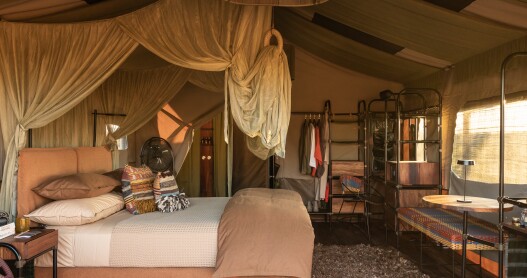
African design, sustainable operations, and front-row seats to the Great Migration give Singita Mara River Tented Camp the edge in Tanzania’s Lamai Wedge.
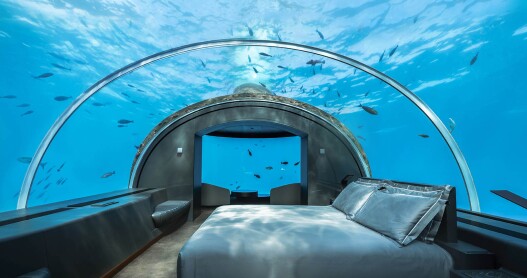
Sleeping with the fishes takes on a whole new meaning at these villas and suites under the sea.
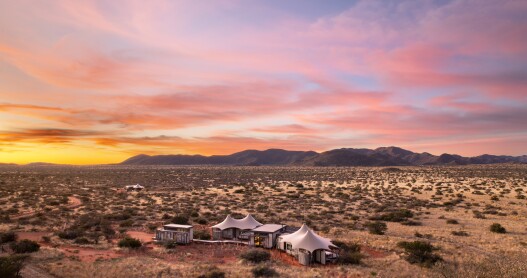
These African safari camps stand out for more than their design, location, and superlative hospitality—they’re all leaving a positive impact on their destinations.
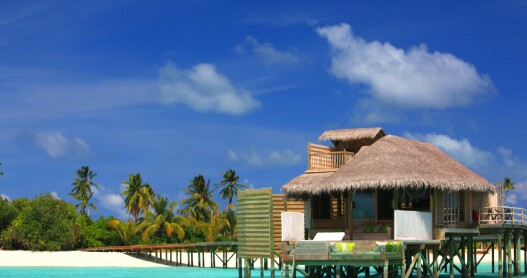
The world’s best beach resorts put cultural and environmental preservation front and center.
Don’t just book a place to sleep; check into lodgings that will connect you to locals.
Whether you’re looking for seaside getaways, reinvented spaces, classics reborn, urban sanctuaries, or adventure retreats, these hotels make being on the road feel like home. This is hospitality in the 21st century.
RESOURCES TO HELP PLAN YOUR TRIP
Located about a 90-minute drive west of Arusha, Lake Manyara National Park may be one of Tanzania’s smallest safari parks, but the range of different landscapes and ecosystems here make it one of the most interesting. Along the escarpment, you’ll spot rock-climbing klipspringer antelopes, while warthogs, wildebeests, giraffes, and elephants enjoy the grasslands. During the wet season, thousands of flamingos flock to the huge alkaline lake, and throughout the year more than 300 species of birds can be sighted. It’s worth stopping by the hippo pond, where visitors can get out of their cars (which you can’t do elsewhere in the park) for a ground-level view of the huge beasts wallowing in the water, shading themselves from the intense sunshine.
Tourists visiting Tanzania usually spend a few days on safari, spotting lions and zebras from their 4x4 vehicles. But clever tourists go on to experience an equally thrilling marine safari off the coast of Pemba Island. Among the island’s several luxury resorts is Fundu Lagoon, a boutique beach hotel founded by British fashion and film designer Ellis Flyte. The property has its own diving facility, called Dive 710. The shallow coral lagoons, warm clear water, and unique locations like the Emerald Reef—an undersea garden of green-hued corals—make this region one of the best dive sites in the world. Divers off Pemba can expect to see fish of every color as well as sea turtles and rays.
About 40 miles west of Mount Kilimanjaro lies Mount Meru, a neat triangle of a mountain usually flanked by a blanket of cloud. The mountain’s within Arusha National Park, a peaceful haven for a variety of wildlife, including giraffes, leopards, and hyenas who slink around in the early hours. Treks up this 15,000-foot dormant volcano usually take three to four days, and a climb is a popular precursor for those planning to hike Kilimanjaro because it allows them to acclimatize to the altitude ahead of time. Treks begin at the park’s Momella Gate. At overnight stops in mountain huts along the route, the hiking guides regularly regale clients with stories of the wild animal encounters they’ve had in the park during their careers.
Move over, canvas safari tent; Tanzania has a new lodging option, this one in the form of a space-alien-looking dome. Set back from the famous Ngorongoro Crater and its plethora of lodges, the Highlands domes’ wild, remote, forest-edge location is one of the key selling points. The accommodations were custom-built to make it easy to take in incredible views. Asilia, the safari outfitter that owns these dwellings, prides itself on the authenticity of the experience, so trips to visit local Maasai communities are low-key and varied, with a different village visited each day. At more than 7,500 feet above sea level, evenings are chilly, but each dome tent is fitted with a high-output woodstove to keep guests cozy all night long.
These experiences and operators offer a range of price points and embrace sustainable tourism practices.
A curated list of ethical (and magical) experiences viewing wild animals around the world.
Canada opened to vaccinated Americans in August, and numerous European countries changed their entry requirements in September. Here’s the complete list.
This year offers a rare opportunity to snag a spot on an East African safari during the summer high season—and a chance to see the iconic Great Migration.
Changuu Island, also known as Prison Island, is about a 30-minute boat ride from Stone Town. The water around the island is crystal-clear and cerulean blue, which makes snorkeling here hard to resist, but a visit also lets you gain an understanding of a grim period of Zanzibar history. In 1860, the small island was used as a prison for disobedient slaves. By 1893, construction of an actual prison complex was completed, but instead of housing prisoners, it was used to quarantine yellow fever cases. Nowadays, the island is home to some endangered Aldabra giant tortoises, given to the island in 1919 by the British governor of the Seychelles. Some of those original tortoises are supposedly still alive here to this day!
Whether you’re up for the adventure of a mobile tented camp, or would prefer a private house staffed with personal chefs, Singita Grumeti is the place for the ultimate safari experience and unbeatable Great Migration views. The 350,000-acre protected nature reserve is home to five distinct properties (plus an exclusive private villa option), ensuring there is an option for any traveler—though luxury, service, and attention to detail are constants across the board.

The five main Grumeti properties offer a singular setting and experience, along with the option to visit any of the others for meals, or to make use of their facilities. Choices include traditional tented-style camps like Sabora Tented Camp, with its plush, 1920s-explorer-inspired decor, and Explore Mobile Tented Camp, an eco-friendly setup that can be moved as the migration progresses. Faru Faru Lodge features contemporary interiors and boasts two striking pools, while Serengeti House is a four-suite private house favored by honeymooning celebs. The grande dame of the reserve, Sasakwa Lodge, boasts luxury cottages, a spa, a wine cellar, dining room, a bar and lounge, a billiards room, a conservatory, and even an equestrian center.

With all this to choose from—not to mention the endless panoramas, gourmet cuisine, and unforgettable wildlife viewing—Singita Grumeti has become known as the pinnacle of safari getaways. And with good reason: the experience here is so impeccable, it just might spoil you on safaris for life.