Tahiti

Tahiti is the largest island in the Islands of Tahiti archipelago in the South Pacific, commonly known as French Polynesia. Whether snorkeling a turquoise lagoon or surfing a black-sand beach, hiking to a waterfall or just to your hammock, or marveling at the colors of Papeete Market or at the agility of traditional dancers, it offers a mix of culture, adventure, and indulgence. Lodging is more affordable in Tahiti than on her sister islands, and you won’t need to arrange onward transport. But just because the island is convenient—an eight-hour direct flight from L.A.—doesn’t make it any less alluring as a destination itself.

Houses above the water with a large rocky mountain in the distance
Overview

When’s the best time to go to Tahiti?

Tahiti is really a year-round destination. If you had to choose, the absolute ideal months to visit are during the May to October “dry season,” when the weather is slightly cooler and there is less rain. That said, traveling between November and March can offer better rates. Although technically the “wet season,” the weather is usually still good: You will likely get periods of rain, but also plenty of blue sky. Expect higher humidity, though.

How to get around Tahiti

Faaa is the only international airport among the Islands of Tahiti. It is located on Tahiti itself, just a few miles west of the capital city, Papeete. Flight time from Los Angeles is only eight hours and the islands are in the same time zone as Hawaii, meaning there’s only two or three hours difference (depending on time of year) with the U.S. West Coast. (This makes jetlag much less of an issue than traveling somewhere like Fiji, where you will cross the international dateline.) Once on the ground, it is very easy to circle the island by rental car—there is just one main road and it hugs the coastline. Note there are no formal street addresses in Tahiti. Instead, locations are identified by PK (points kilometriques), which represent the distance in kilometers from Papeete cathedral.

Can’t miss things to do in Tahiti

- Tahiti underwater is sublime, so make sure to go snorkeling or diving.
- Try surfing, too—it was invented in Polynesia, possibly in Tahiti.
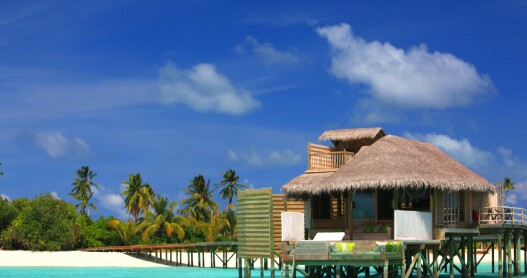
- If you’re by the beach, stay at least a couple of nights in an overwater bungalow if you can.
- Away from the sea, catch a Tahitian dance performance at a luxury hotel—it’s mesmerizing.

Food and drink to try in Tahiti

Fresh fish and seafood is a staple in Polynesia. The national dish is poisson cru, freshly caught raw fish (usually tuna) with diced vegetables marinated in lime and soaked in coconut milk. It is absolutely delicious and can be served with rice. Chevrettes are another popular Tahitian delicacy. These are freshwater shrimp often grilled or cooked in a French-influenced butter sauce.

Culture in Tahiti

Music and dance have long been an integral part of Tahitian life, and today learning the traditional dances is as popular with locals as tourists, who fill the many schools in Papeete. There are four main styles of dance in French Polynesia, and many hotels offer performances with dinner at least once a week. But to really experience the best of Tahitian dance, visit during Heiva I Tahiti: a major festival of traditional Polynesian culture that takes place for a week each July in Papeete and includes music, dancing, singing, and sports. Another large and important festival is the Billabong Tahiti Pro Surfing Tournament, which is an international, professional-level surfing contest held at Teahupo’o in Tahiti Iti over three days each May.

For Families

Tahiti is a great destination for families, especially if traveling from the West Coast. With the island just an easy eight-hour direct flight from Los Angeles and on the same time zone as Hawaii, it doesn’t take little ones long to adjust. Many resorts have kids clubs and are specifically geared towards families. And with adventures from snorkeling to waterfall hikes, there is plenty to do.

Local travel tips for Tahiti

Stay in a family-owned pension or Tahitian B&B to truly experience Tahitian life and culture. Spend your morning fishing with the locals, then take your fresh catch to the nearest motu (like a kind of mini island) for a picnic to remember.

Nearly every activity can be booked through your hotel, pension, or guesthouse upon arrival.

The tattoo art form was invented in Polynesia (or, at least, that’s where Europeans first enountered it), and today many Polynesians sport beautiful works of art as symbols of their personal identities.

Guide Editor

READ BEFORE YOU GO
HOTELS
The world’s best beach resorts put cultural and environmental preservation front and center.
While a stay in the famously lavish resorts of Tahiti and Bora Bora may be a dream vacation for many, the local guesthouses offer travelers a deeper look into Polynesian culture and life.
RESOURCES TO HELP PLAN YOUR TRIP
For an elegant island dining experience, opt for an evening at Le Corail at the InterContinental Bora Bora Resort & Thalasso Spa. The formal and contemporary dining room, right beside the lagoon, seats only 28 at a time, so the mood is intimate and romantic. Tables by the windows, with a view of the resort’s overwater wedding chapel, are the most coveted. The French-accented seven-course tasting menu rotates with the seasons and is plated artfully, in keeping with the modern surroundings. With advance notice, the kitchen can accommodate those with allergies and dietary restrictions. Open six nights a week for dinner, from April to November.
If you need to hone your surfing skills, no worries, Tahiti has some fabulous beginner breaks plus warm water! Tura’i Mataare Surf School offers private and small group surf lessons to anyone over the age of 5-years. The 3 hour and 30 minute lesson aims to help you master the basic techniques before you venture to multiple surfing spots along the western coast of the island. The company picks up from all the hotels, and rates include transport. If you already know what you’re doing and just want to ride the best waves for when you’re visiting Moana Surf Tours in Punaauia can provide guides or put together any combination of surfing, lodging and boat.
On Tahiti’s west coast, the area around Punaauia town has some lovely stretches of black and white beaches between PK10 and PK15. This is considered Tahiti’s gold coast of sorts, as it is home to some of the most expensive real estate on the island, and also boasts stunning views across the water to Moorea -- try to stay for at least one sunset. You’ll also find some good shore surf breaks along this strip of sand and for divers the St Etienne Drop-Off just off the Punaauia reef is a wonderful wall dive.
At the beginning of the 20th century, a physics professor in Massachusetts inherited a ton of money. He promptly headed for the South Pacific, settling there and founding what’s now the Harrison Smith Botanical Garden. Maybe Smith had a slight Noah complex: He brought in plants from around the world, which means an African flower might sit next to a South American fern. The problem is that he inadvertently killed off the native plants with his imports. Still, the garden is a lovely spot to wander around, a sampler box of world botany.
You can drive the 71-mile circular road around Tahiti Nui in a day, either by renting a car for a day or by joining a guided tour (your hotel will have info for either). Either way, the loop road takes you along the wild and rocky east coast, where you will see spectacular black sand beaches, many hosting excellent surf breaks. By contrast, the island’s west coast is tamer and features peaceful lagoons for swimming and even a few white sand beaches, like popular Maui Beach. Extend the drive by continuing into Tahiti Iti, the smaller section of the island at the south end, and forming a figure eight loop to return to Papeete.
Tahiti Iti, Tahiti‘s smaller sister island that’s connected to the main island at the southeast coast, is home to one of the most famous surfing waves in the Pacific, Teahupoo. This powerful reef break most certainly should not be attempted by anyone but the best surfers—a fall means being dragged by the current across the sharp coral right below the surface. That edge of drama makes for a tense but enjoyable afternoon of observation (from the beach). The left break is best between April and October. The Billabong Pro competition is held here August.
Dedicated to Paul Gauguin’s life during the years he lived on Tahiti and in the Marquesas, the Gauguin Museum sits within the beautiful Harrison Smith Botanical Gardens and features exhibits and memorabilia from the late painter himself, including sketches, copies of documents, block prints, and reproductions of many of his most famous paintings. Make sure to stroll through the windy paths, past ponds, palms and a bamboo thicket in the gardens as well. They were created in 1919 by an American named Harrison Smith who introduced many plants to Tahiti including the grapefruit.
Call ahead and owners Patrick and Sophie will pick you up and bring you to their relaxed island restaurant and only non-hotel bar in Rangiroa. The small plates menu is limited, but what is offered tastes delicious and is quite impressive (think charcuterie from Spain and France or more simple crepes) considering the middle of nowhere location. What the menu lacks in variety, the booze concoctions more than make up for. The cocktail menu is extensive and there are even beer choices from around the globe, another impressive feat considering the locale. There is also a good dessert selection. Te Mao is also very popular with locals, who come for socializing, free wifi, and maybe some karaoke after dark.
Life across Polynesia was once defined by ritual power. In many places, chiefs were too sacred to actually look at, and if you helped bury a chief, you’d not be allowed to utilize your hands for nine months or more. The ‘Ārahurahu Marae, a sacred structure of black stone, was built solely for rituals. Nicely restored, the ‘Ārahurahu is set at the foot of a cliff, surrounded by jungle. A trail lined with tikis leads to the three-story marae, which is still in use, revived as part of the Polynesian Renaissance. The marae is worth a visit: Soak up the place to get a feel for a time when this was the island’s heartbeat.
Huahine is home to the most extensive collection of pre European marae (traditional temples) in all of French Polynesia. These are found at Maeva, which is about 7 kilometers from the island’s only town, the sleepy port of Fare. Prior to European arrival, Maeva served as the seat of royal power on Huahine and you’ll find the 30 excavated marae (many of which have been restored) scattered among the village’s modern buildings along its shoreline and up the side of Matairea (Pleasant Wind) Hill. There is a designated walk around the site, which starts at the water’s edge and then leads up the slopes of Matairea Hill, where the most marae are located. It takes about two hours to complete. Make sure to bring plenty of water. You can pick up a brochure outlining the walk and what marae you’ll see along the way from the small archeological museum at the water’s edge. The museum also tells the story of the excavations which began in the 1920s.