Florence

Of the cities that have enjoyed moments as true cultural capitals of the world, Florence is one of the most surprising. A modest trading center, and one devastated by the plague in 1348, Florence emerged late in the 14th century as the “Athens of the Middle Ages.” This was due, in large part, to the ruling Medici family embracing their role of patrons to Leonardo da Vinci, Michelangelo, Brunelleschi, Machiavelli, and other artists and writers.

The glories of the Renaissance are found everywhere you look. The Palazzo Vecchio sits beside the Piazza della Signoria, the symbolic heart of Florence, while less than five minutes on foot will bring you to the Uffizi Gallery, a treasury of many of the most famous paintings of the Renaissance. Cross the Arno River over the Ponte Vecchio and you’ll soon arrive to the Pitti Palace and Boboli Gardens. This city is more than the sum of its parts. When circumstances led to Milan, Rome, and other Italian cities surpassing Florence in population and commercial importance, the historic heart of Florence remained largely intact. Only a few modern buildings can be found in the city center, much of the medieval streetscape remains, and here you can walk in the footsteps of some of Western civilization’s greatest minds.

original-florence-banner-crop-2019.jpg

Photo Courtesy of Atibordee Kongprepan

Overview

When’s the best time to go to Florence?

Florence at the height of summer is often hot and almost always crowded—late spring and early fall are preferable if possible. While Florence is a year-round destination, if you are combining your trip there with visits to wineries and smaller towns in Tuscany, be aware that some businesses do close in the winter.

How to get around Florence

There are no direct flights from the U.S. to Florence, but you can connect through European hubs. The city center is about 20 minutes from the airport by taxi or bus. If you’re also visiting Milan, Rome, or Venice, each is two hours or less by train, with Florence’s main station at Santa Maria Novella near the historic center.

Florence’s compact historic area is best explored on foot, as narrow, busy streets make walking easier than driving. Buses are useful mainly for trips outside the center. Taxis are safe and affordable for short distances, but must be picked up at a taxi stand.

Can’t miss things to do in Florence

The Uffizi Gallery ranks alongside the Louvre and the Hermitage as one of the world’s great museums, though its collection is more focused—specifically on Italian art from the 14th to 17th centuries. The entire arc of Renaissance art can be traced through its canvases, with masterpieces by Botticelli, da Vinci, Fra Filippo Lippi, and many others.

The Galleria dell’Accademia, on the other hand, is a must-stop thanks to one masterpiece: Michelangelo’s David.

Florence’s cultural highlights include a number of buildings that are iconic landmarks. Foremost among them is the cathedral, or Duomo, which includes contributions from three towering figures: Brunelleschi (the dome and baptistery), Giotto (the campanile), and Vasari (The Last Judgment fresco). Students of garden design, and anyone who wants to simply smell the flowers, should explore the Boboli Gardens.

Take a break from all the headiness with a visit to the Mercato Centrale, or San Lorenzo Market. On the ground floor you can shop for sun-dried tomatoes, olive oils, and other culinary gifts. In the food hall upstairs, you can savor some of the flavors of Tuscan cuisine.

Delve even deeper into Florentine culture: sign up for a cooking class, attend a musical event, conduct your own street-food survey. Or take a fresco-painting workshop from our partner, Context Tours, where you’ll learn the ropes of this Renaissance painting technique from a working artist in his studio.

Food and drink to try in Florence

Tuscan cuisine is traditionally simple and hearty food, noted for its bean and vegetable soups and non-fussy pasta dishes. Florence’s most famous dish, bistecca alla Fiorentina, a thickly cut t-bone steak, can be found on many menus. If you have a sweet tooth, gelato was (at least according to some) invented in Florence.

Culture in Florence

Florence’s high culture is the reason to visit the city for many—its museums are home to many masterpieces of Renaissance Italy while some of its churches and palaces are true architectural wonders. The lines at the Uffizi Gallery can be long and purchasing advance tickets is highly recommended. While you will want to see Florence’s most famous highlights, its smaller institutions can offer a respite from the crowds: the Bargello houses important works by sculptor Donatello while the Horne Museum displays the collection of its 19th-century British founder, an avid collector of Renaissance art.

READ BEFORE YOU GO
Following recent regulations in Rome, Venice, and Cinque Terre, additional Italian destinations are implementing rules aimed at encouraging more responsible travel.
HOTELS
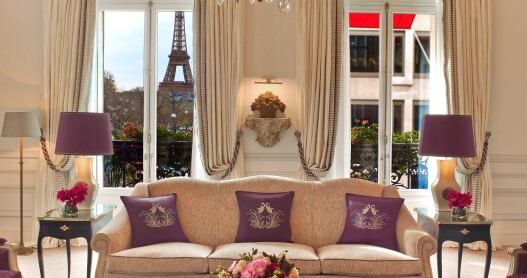
There’s nothing dreamier than a room with a view, and these luxurious hotels are perfectly positioned to give you the best views of some of Europe’s most memorable sights.
RESOURCES TO HELP PLAN YOUR TRIP
Irene, a bright and colorful restaurant at the Hotel Savoy, is great for lunch on the sunny bistro terrace outside or for a nightcap sipped on a velvet banquette at the bar inside. The kitchen turns out traditional Tuscan cuisine with surprising modern touches: The classic tomato-and-bread pappa al pomodoro comes stuffed inside ravioli, and the vitello tonnato (veal with tuna-caper sauce) is topped with ribbons of shaved fennel and served with the sauce on the side. On Sundays, the popular “Lunch at Nonna’s” menu is a loving nod to the restaurant’s namesake. Pre- or post-dinner, grab a seat on the terrace, overlooking Piazza della Repubblica, to enjoy wines served in retro-style carafes and bubbly poured into 1950s coupe glasses.
When the sun sets, Piazza Santo Spirito wakes up and the large square fills with college students and young professionals. Volume is where they gather for strong cocktails and live music. Located in the former workshop of Alfonso Bini, a woodworker who specialized in carved hat forms and later more-creative pieces, the space retains the warm vibe of the local craft studios. Small tables and chairs are set up alongside shelves crowded with books, tools, and art. Seating outside affords a view of the after-dark action on the piazza as well as the striking Santo Spirito church.
Amid the parking garages on the other side of the Arno, you’ll find a small workshop where the son of legendary shoemaker Calogero Mannina turns out exquisite shoes. Starting with the finest hides (from polished calf to textured ostrich), Antonio shapes pieces on hand-carved wooden lasts made from customers’ feet, then sews them together into timeless designs like men’s wing tips, laced oxfords, and loafers. He also crafts a few in women’s styles, like pumps and ballet shoes.
Italy never had Prohibition (can you imagine the country going wine-free?), but this intimate bar, opened in 2017, brings a touch of that era’s speakeasy style to central Florence. Owner and veteran bartender Cristian Guitti places equal importance on taste and aesthetics, creating concoctions that both excite the palate—with a hint of smoke here, and some barrel aging there—and also do your Instagram proud. The menu is heavily inspired by ‘20s-era cocktails, with nods to both America and Italy, so you’ll find drinks like Old Sport (based on Wild Turkey 81 Bourbon), Coney Island (rum with popcorn, chili, dark chocolate, and more), and Aglio Olio & Peperoncino (tequila blanco with olive oil and the essential oils of orange and chili). Guitti considers this a “cocktail experience,” which means the multi-step drinks may take a while to be prepared, but you’ll have fun soaking up the retro atmosphere while waiting for them to arrive.
If you’re looking for a classic martini or Aperol spritz, move along—this bar is all about taking the cocktail to unexpected places. In a tiny, spartan space (think red brick walls and lightly adorned wooden tables), noted booze alchemists Neri Fantechi and Julian Biondi, along with their team of Florence award-winning mixologists, whip up drinks with unique flavor profiles and combinations, like carrot jam with bourbon and egg whites. (The drinks also have names that will make you smile.) The menu is divided into three parts—Soul Warmers, A Fistful of Dollars, and Fabulous Spirits—and also includes a nice selection of mezcals and rye vodkas (Biondi serves as a brand ambassador for Russia’s Poulgar vodka.) The duo also hosts mixology classes and other drink-focused events for fellow enthusiasts and novices alike.
Inspired by the spices and scents he experienced on a trip to the Middle East back in the early ‘80s, Florentine Lorenzo Villoresi began studying the art of making perfume, eventually turning his family’s 15th-century palazzo into his atelier and shop. Stop by the elegant space—richly outfitted with Carrara marble, Florentine leather, and Volterra alabaster—to sniff your way around the world, sampling perfumes that feature an array of unusual and precious (and often pricey) extracts and essential oils. In addition to a ready-to-wear collection of perfumes, home scents, candles, potpourri, and related accessories, Villoresi also creates one-of-a-kind bespoke fragrances for hotels, fashion houses, and individual clients. It can be an expensive souvenir, but the experience of helping to create your personal scent is one you’ll never forget.
Elevate the normally mundane experience of shopping for medicine-cabinet basics like soap and toothpaste with a visit to one of the oldest pharmacies in the world. In this 13th-century chapel with early Renaissance frescoes, Gothic carved wooden cabinets, and crystal chandeliers, most items are still crafted according to formulas originally created by Dominican monks. A small museum displays equipment once used to make Santa Maria Novella products, as well as a collection of beautifully painted ceramic jars that held the herbs and powders. Linger a little longer in this fragrant world by ordering a pot of herbal tea or a small glass of one of the historic liqueurs in the tearoom.
Florence’s wonderful Museo dell’Opera del Duomo (Cathedral Works Museum) is open to the public with double its original floor space and a new contemporary look. The unique collection of works by masters such as Donatello, Michelangelo, Luca della Robbia, and Lorenzo Ghiberti includes statuary from the Duomo, bell tower, and Baptistery as well as models and other exhibits relating to the building of one of the world’s largest cathedrals. Showstoppers include the bronze panels from the Baptistery’s doors, gleaming from their recent cleanup; Donatello’s emotive Mary Magdalene; the two exquisite cantorie (choir lofts) by Donatello and della Robbia; and a vast scale replica of the Duomo’s original facade, ripped down in 1587.
Located a few steps away from the Ponte Vecchio in what was at one time a medieval palace, this restaurant serves a traditional menu of dishes made with regional ingredients. Their beef is sourced from a farm in the Maremma countryside and the wine list highlights Tuscan producers. Even the restaurant’s name is a nod to the local culture—orafo means “goldsmith,” and this neighborhood was where gold workshops were once located. Start with Tuscan white beans drizzled with olive oil, with a serving of fennel salami, then move on to the pasta course. (The taglierini ai piselli freschi, pasta with fresh peas, is particularly good in season.) For dessert, try the pear slow-cooked in wine or cantucci cookies dipped into vin santo, a strong sweet wine.
Creamy gelato goodness is scooped from covered silver containers in this shop on the Piazza Passera. Scan the hand-lettered labels to see what is on offer—the kitchen behind the shop makes everything with the freshest seasonal ingredients. Try Fior di Latte alla Menta, the Italian version of mint chip ice cream, or any of the sorbets, which have a bright, pure fruit flavor. Carry your cone to a bench on the piazza and savor it as you people-watch.