Buenos Aires

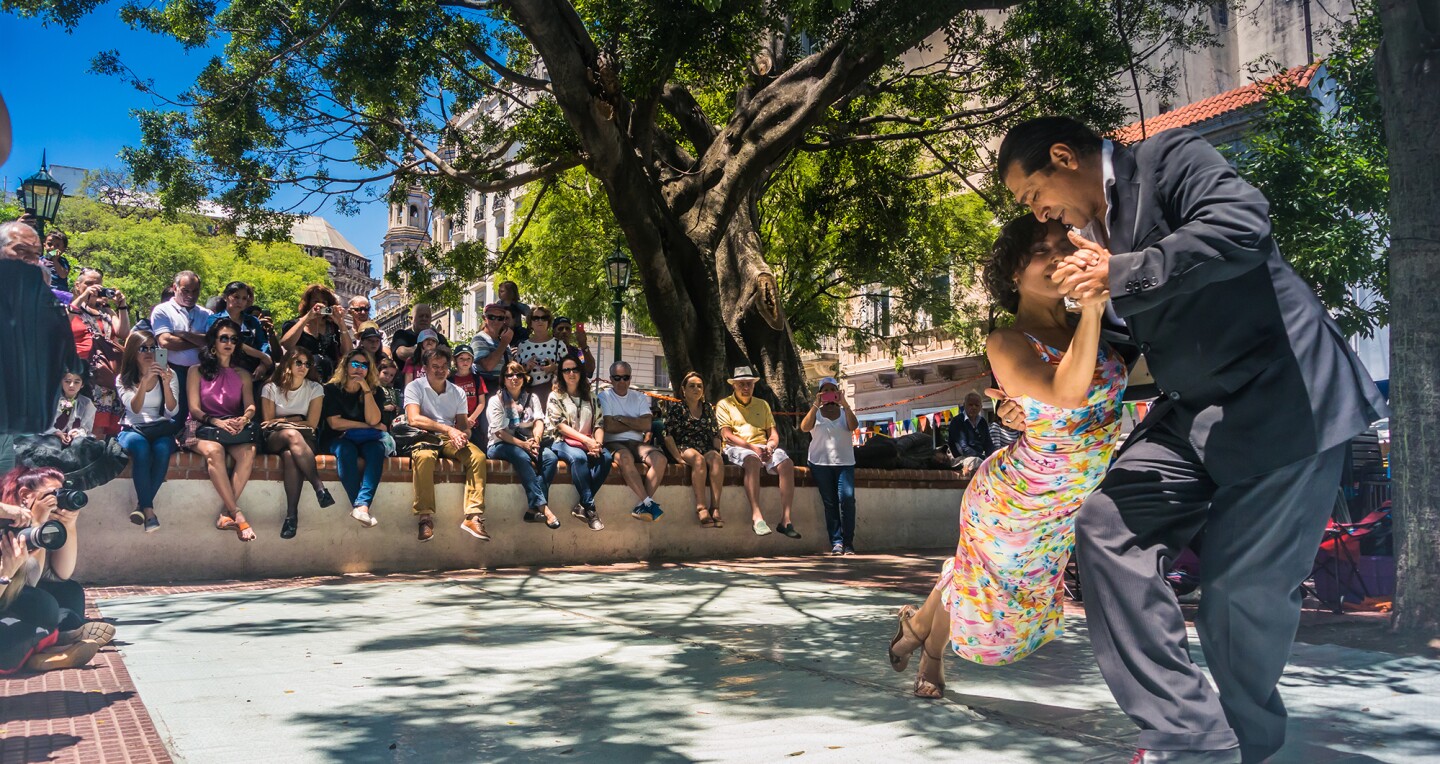
Traditionally, it’s the world capital of tango. These days, thanks to a vibrant urban art scene and nightclubs spurring on musical innovation, cool kids from all over the globe look to Buenos Aires as a style capital of Latin America. The Argentine metropolis, by turns moody and frenetic, is just as colorful as you’d expect—and porteños (its inhabitants) themselves are as notoriously proud and effortlessly hip as you’d imagine. While there are sights to be seen, of course, half the joy in visiting Buenos Aires is drinking up the intoxicating blend of the city’s romantic past and trendsetting present.

2_buenos_aires.jpg
Overview

When’s the best time to go to Buenos Aires?

Temperate spring (September to November) and autumn (March to May) are the most desirable times to visit Buenos Aires. Though winter days (June−August) are shorter, and the weather is gray and chilly. The Argentine capital almost never sees snowfall and the cold weather is fine for cultural sightseeing, but winter visitors miss out on the long strolls, park outings, and outdoor café action that make the city so charming. January is oppressively hot: schools are out, some businesses close, and porteños (what the locals call themselves) with enough money to clear out take refuge at beaches outside of the city.

How to get around Buenos Aires

Nearly all international flights arrive at Ezeiza International Airport (EZE), located about 22 miles from the city center. Though public buses serve the airport, they’re notoriously inconvenient; you’re better off paying for a taxi at the official desks inside the arrivals hall. (Prices fluctuate all the time; the current price of 900 pesos is about $15.50.) Some shorter flights arrive at Buenos Aires’ smaller, more central airport, Aeroparque Jorge Newbery (AEP).

Once in the city, public transportation options include the traveler-friendly Subte (subway) and a vast, somewhat overwhelming, but efficient and fast system of colectivos (buses). Purchase Subte tickets in the underground stations before boarding, and if you’re getting on a bus, be prepared with exact change in monedas (coins) to feed into the machine behind the driver. Taxis are abundant and affordably priced; just be aware that many taxistas refuse large bills.

Can’t miss things to do in Buenos Aires

Some cities have food trucks; Buenos Aires has roadside carritos. Look for billowing smoke—or just follow the mouthwatering aroma of sizzling meat—to one of these rickety grill stands. Then ask for a local favorite, the choripán (a chorizo sandwich), and use a plastic spoon to top it off with freshly prepared chimichurri, set out in small bowls near the grill.

Food and drink to try in Buenos Aires

Argentina is world famous for beef; you’ll find it on nearly every table in Buenos Aires, from basic parrillas (steak houses), where grilled steak are served with chorizo, papas fritas (french fries), and green salads, to upmarket restaurants where rare cuts of bife de chorizo are perfectly paired with Malbec from Mendoza. Though vegetarian cuisine and ethnic food trends have been relatively slow to catch on in this meat-eating culture, you’ll find a growing number of international options in the Palermo Soho and Palermo Hollywood districts.

Culture in Buenos Aires

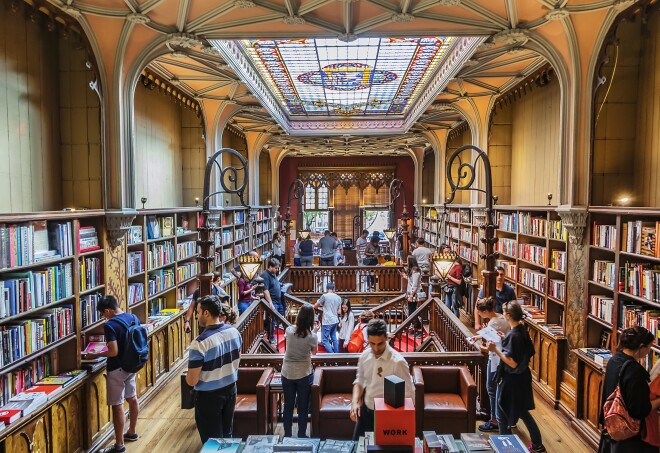
Architecturally speaking, Buenos Aires is fascinating, particularly along the Parisian-style Avenida de Mayo and throughout the historic barrios of San Telmo, Recoleta, San Nicolás, and Monserrat, where the grand Spanish and Italianate buildings stand as testament to the city’s proud immigrant past. On rainy days, see some of the city’s museums—MALBA hosts many of the most significant Latin American art exhibits.

For the most authentic taste of porteño culture, you’ll have to wait until after dark, when local dancers crowd the floors of traditional milongas (tango clubs) and imaginative musicians and DJs mix and mash provincial Argentine music with cumbia, hip-hop, and house music in the city’s nightclubs.

Buenos Aires hosts major events throughout the year. The biggest draws are the ArteBA art exposition, Feria del Libro book fair, Tango Buenos Aires Festival y Mundial, Casa FOA design festival, and La Exposición Rural, a farm show−like agricultural fair.

Local travel tips for Buenos Aires

In Buenos Aires, you can always spot the out-of-towners. They’re usually wandering around the streets in the evening, hungry for dinner at 7 p.m.—and wondering why none of the restaurants have even turned their lights on yet. As a rule, the locals have a light breakfast (often coffee and medialunas—sweet, croissant-like pastries), a late lunch, and merienda (a snack with coffee, mate, or tea) around 5 or 6 p.m. Dinner never happens earlier than 8:30 or 9 p.m., often much later on weekends. Note that the city empties out in January, with many porteños away on their summer vacations.

Guide Editor

READ BEFORE YOU GO
RESOURCES TO HELP PLAN YOUR TRIP
The same people who brought you the parrilla at La Carnicería are bringing you Chori. This restaurant, named after the term for choripán, which is essentially an Argentinean hot dog, is located in Palermo Soho in Buenos Aires. There’s no table service at this casual order-at-the-bar spot, instead, the attention is on the choripán, with five different chorizo sandwiches, one morcipán (blood sausage), and a vegetarian sandwich with eggplant.
No woman—or man—has come to symbolize Argentina more than Eva Perón, the country’s first lady from 1946 until her death at age 33, in 1952. Learn about this iconic figure at the Evita Museum, where photos, videos, and numerous personal effects (including dresses and even shoes) provide an intimate, in-depth chronological view of Evita’s life. The museum site was once the headquarters of the Eva Perón Foundation, which helped women who came to Buenos Aires from the provinces; the ornate structure, originally built in the early 1900s, is a marvelous backdrop to the small museum. Perhaps even more popular than the exhibits is the on-site restaurant, which serves delicious food on a gorgeous plant-filled patio.
The work of septuagenarian silversmith Juan Carlos Pallarols has earned him an international following. (Recently, the artist crafted a papal chalice for his friend Francis.) Visit the studio/showroom in the modest San Telmo neighborhood to see and perhaps purchase some of his complex, finely wrought pieces. A set of silver-handled steak knives makes a great souvenir.
Alone, techless, and unable to speak the language, one writer finds the best way to understand the city is to order a drink.
Behind a massive bougainvillea vine that covers a century-old mansion on the corner of a quiet, cobbled street, San Telmo’s Café Rivas evinces an elegant, 1920s vibe—but the food is decidedly contemporary. The menu is short and to the point. Three prix-fixe options are posted for lunch and change daily to delight a claque of assiduous regulars. Standout items at dinner include a nightly ceviche special and the dry-aged beef. There’s also a Sunday brunch with traditional favorites like eggs Benedict. In the evening, a bartender arrives to serve up cocktails, and there’s live piano on weekends.
The red-gravel paths that wind among 6,000 plant species, past a babbling stream, and into deeply shaded areas may make you forget you’re in the center of a loud, bustling city. That said, many visitors don’t know that the Botanical Garden includes a small butterfly garden. It’s closed during the week, but you can still peek over a low wall to watch some 50 butterfly species flit about their business. And for one glorious hour, from noon to 1 p.m. on Saturdays, the gate is thrown open and the public is free to walk sunny paths among shoulder-high flowering hedges as colorful, flirtatious butterflies alight on amused visitors’ heads, shoulders, and arms.
Argentina is too vast a country to see on just one trip. But there’s a taste of real gaucho (i.e., Argentine cowboy) culture at the Mataderos Fair on the edge of town. For many, the main attraction is the various food stalls that hawk yummy, traditional comfort food. Try different versions of the ubiquitous empanada alongside delicacies from the provinces you won’t see on many in-town menus, like locro, a hearty stew with beans, corn, squash, and meat; or humita, a kind of Argentine corn-and-cheese tamale steamed in a corn husk; or the more familiar tamal, with meat instead of cheese. The fair runs on Sundays from 11 a.m. to 8 p.m. most of the year, or on Saturday nights starting at 6 p.m. in hot, sunny January and February.
Support local artists and designers at the Patio del Liceo. The namesake courtyard, tucked away from Avenida Santa Fe’s hustle and bustle, connects art galleries, clothes and shoe shops, and, notably, boutiques selling eco-friendly home decor. Walk to the end of each gallery level to watch designers at work: Many of the spaces also function as workshops where the goods on offer are made. Pick up a beautiful book at Brezal, the glassed-in stall in the main entry hall; get a customized gift for your pet at Think Animal; or take home some local music from Mercurio Disquería. Afternoon visits are recommended, as many shops don’t open until 4 p.m. or later.
One of the more jarring building styles you’ll find in the city’s architectural mishmash is brutalism, and Argentina’s National Library is an iconic example of the movement. The imposing structure rises like a mammoth tree in the park that surrounds it, and its design seeks to suggest expansion: A root-like system of underground book depositories can be enlarged without changing the building’s intended aspect. When readers request titles, these come up through the building’s central trunk to a fifth-floor reading room, open to the public and featuring an unobstructed view of the Recoleta neighborhood and the river. Check the library’s website for information on talks, concerts, and events.
Many Buenos Aires visitors don’t realize the city is home to one of the world’s largest Jewish communities; most of the families arrived from Russia and Poland at the turn of the twentieth century. Proudly touting its immigrant cuisine, Mishiguene pays homage to the legacy with a modern take on traditional Jewish comfort foods like meorav yerushalmi (a Jerusalem-style mixed grill), bagels, pastrami, and Ashkenazi fish cakes. To try more than one item, order half-portions of dishes, or opt for the six-course tasting menu that starts off with a cocktail and includes a wine-pairing with each arrival. For a special treat, reserve the chef’s table in the restaurant’s sparkling kitchen.