Tahiti

Tahiti is the largest island in the Islands of Tahiti archipelago in the South Pacific, commonly known as French Polynesia. Whether snorkeling a turquoise lagoon or surfing a black-sand beach, hiking to a waterfall or just to your hammock, or marveling at the colors of Papeete Market or at the agility of traditional dancers, it offers a mix of culture, adventure, and indulgence. Lodging is more affordable in Tahiti than on her sister islands, and you won’t need to arrange onward transport. But just because the island is convenient—an eight-hour direct flight from L.A.—doesn’t make it any less alluring as a destination itself.

Houses above the water with a large rocky mountain in the distance
Overview

When’s the best time to go to Tahiti?

Tahiti is really a year-round destination. If you had to choose, the absolute ideal months to visit are during the May to October “dry season,” when the weather is slightly cooler and there is less rain. That said, traveling between November and March can offer better rates. Although technically the “wet season,” the weather is usually still good: You will likely get periods of rain, but also plenty of blue sky. Expect higher humidity, though.

How to get around Tahiti

Faaa is the only international airport among the Islands of Tahiti. It is located on Tahiti itself, just a few miles west of the capital city, Papeete. Flight time from Los Angeles is only eight hours and the islands are in the same time zone as Hawaii, meaning there’s only two or three hours difference (depending on time of year) with the U.S. West Coast. (This makes jetlag much less of an issue than traveling somewhere like Fiji, where you will cross the international dateline.) Once on the ground, it is very easy to circle the island by rental car—there is just one main road and it hugs the coastline. Note there are no formal street addresses in Tahiti. Instead, locations are identified by PK (points kilometriques), which represent the distance in kilometers from Papeete cathedral.

Can’t miss things to do in Tahiti

- Tahiti underwater is sublime, so make sure to go snorkeling or diving.
- Try surfing, too—it was invented in Polynesia, possibly in Tahiti.
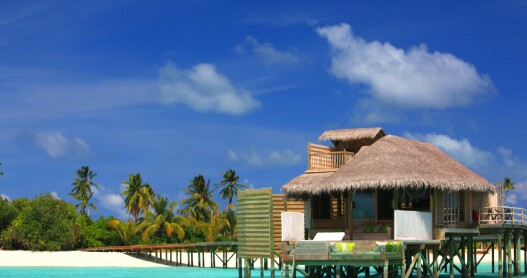
- If you’re by the beach, stay at least a couple of nights in an overwater bungalow if you can.
- Away from the sea, catch a Tahitian dance performance at a luxury hotel—it’s mesmerizing.

Food and drink to try in Tahiti

Fresh fish and seafood is a staple in Polynesia. The national dish is poisson cru, freshly caught raw fish (usually tuna) with diced vegetables marinated in lime and soaked in coconut milk. It is absolutely delicious and can be served with rice. Chevrettes are another popular Tahitian delicacy. These are freshwater shrimp often grilled or cooked in a French-influenced butter sauce.

Culture in Tahiti

Music and dance have long been an integral part of Tahitian life, and today learning the traditional dances is as popular with locals as tourists, who fill the many schools in Papeete. There are four main styles of dance in French Polynesia, and many hotels offer performances with dinner at least once a week. But to really experience the best of Tahitian dance, visit during Heiva I Tahiti: a major festival of traditional Polynesian culture that takes place for a week each July in Papeete and includes music, dancing, singing, and sports. Another large and important festival is the Billabong Tahiti Pro Surfing Tournament, which is an international, professional-level surfing contest held at Teahupo’o in Tahiti Iti over three days each May.

For Families

Tahiti is a great destination for families, especially if traveling from the West Coast. With the island just an easy eight-hour direct flight from Los Angeles and on the same time zone as Hawaii, it doesn’t take little ones long to adjust. Many resorts have kids clubs and are specifically geared towards families. And with adventures from snorkeling to waterfall hikes, there is plenty to do.

Local travel tips for Tahiti

Stay in a family-owned pension or Tahitian B&B to truly experience Tahitian life and culture. Spend your morning fishing with the locals, then take your fresh catch to the nearest motu (like a kind of mini island) for a picnic to remember.

Nearly every activity can be booked through your hotel, pension, or guesthouse upon arrival.

The tattoo art form was invented in Polynesia (or, at least, that’s where Europeans first enountered it), and today many Polynesians sport beautiful works of art as symbols of their personal identities.

Guide Editor

READ BEFORE YOU GO
HOTELS
The world’s best beach resorts put cultural and environmental preservation front and center.
While a stay in the famously lavish resorts of Tahiti and Bora Bora may be a dream vacation for many, the local guesthouses offer travelers a deeper look into Polynesian culture and life.
RESOURCES TO HELP PLAN YOUR TRIP
On Tahiti’s rocky east coast, the volcanic Lava Tubes of Hitiaa are underground channels and eroded sections of rock in caves that have been penetrated by water. Although you can visit solo, it is really best to visit with a guided 4WD tour. Check with Marama Tours, which also does a range of other island tours from encounters with dolphins to 4WD trips across the Papenoo valley that is rich in waterfalls and archeological sites.
Over on Moorea, the Restaurant Te Honu Iti offers you a chance to eat on a deck over the water while watching rays swim around. It’s a bit more affordable than comparable Papeete restaurants, and has well-prepared food. But let’s face it, the crowd’s here for the rays, amazingly soft and velvety, who are drawn by the restaurant’s underwater lights and swim right up to the edge of the deck.
The small “motu” islets surrounding many of the islands are the perfect spots to enjoy an al fresco island feast. These miniature, palm-covered paradises offer a get-away from the big island and you’ll get a taste for paradise in the buff. You won’t find roads, cars, markets or restaurants, just secluded atmosphere, pristine surroundings and a romantic ambience. Plus you get a unique view perspective of the Pacific Ocean and the lush mountains of mainland Tahiti. Motu Martin (Motu Au’) is the only private island in the North East Coast of Tahiti. The departure is from Venus Point Lighthouse.
Continue hundreds of miles south of the main island of Tahiti and you’ll come to the Tropic of Capricorn and the five-island Austral Islands chain. There are plenty of ways to connect to nature here. Take a cue from the locals and join them as they beach-hop and ride bikes through the villages and along the shore (with very little traffic on the islands, biking is a breeze). Then delve into the lush interior of Rurutu island during a horseback excursion. If you time your visit between July and November, you’ll also be able to spot majestic whales in the waters around Rurutu.
On Tahiti Iti, it is hard to beat eating with your toes in the sand right on the beach (there’s also an inside dining room). Order one of the Polynesian dishes that include some fresh caught steamed line fish and local produce from taro to breadfruit. There is also a kid’s menu.
Tahiti is home to some of the most beautiful hiking trails in Polynesia. Stops can include spectacular waterfalls and natural pools, panoramic views, grottos, archeological sites and lava tubes. A favorite hike is to the three Faarumai waterfalls. From the car park it is a quick scramble through a forest of chestnut trees to the first waterfall, Vaimahutu. Continue on for another 20 minutes or so to reach the other to falls Haamarere Iti and Haamarere Rahi, which are almost side-by-side. With hundreds of varieties of tropical trees, plants and flowers, Tahiti also has some of the world’s most beautiful gardens. Visit the water gardens of Vaipahi to experience the abundant flora and waterfalls that flow directly into Lake Vaihiria.
Tahitian black pearls are the one must-have. Here, you’ll find the highest quality and original designs that feature the strange deep shimmer of black pearl (and prices that seem one digit too long).
Bloody Mary’s, entertaining tourists since it opened in 1979, is one of those Bora Bora experiences that simply must be done. The ambience is beach-bar hip, with sand floors, colored lights, and coconut stools in a dining room under a thatched roof and surrounded by tropical foliage. Even if you don’t eat here, at least come for a cocktail to experience the vibe and mingle with the crowd of local pension, or guesthouse, owners, visiting celebrities, and other travelers. The food’s quite good, too: Fresh fish, seafood, and meats are grilled, American-barbecue style, with tasty results.
If you have a design in mind, there’s a good chance the Tahiti Pearl Market can make it in a few hours. It’s great fun to sort through the loose pearl bins to find the perfect specimen.
The perfect place to shop for anything and everything from all the islands is the 155-year-old public market called Le Marché. Located two blocks from the waterfront in the heart of Papeete, the market covers two stories. The lower level is filled with hundreds of stands offering Tahitian-made crafts, oils, vanilla, fruits, and flowers. Upstairs is reserved for artisans selling pareos, carvings, Tifaifai wall hangings and quilts, embroidered cushion covers, and other handicrafts. You’ll also find a few good shops for purchasing unique black pearl jewelry at fair prices. An on-site cafeteria serves local dishes. Le Marché is not just a tourist attraction, however—it’s a proper market where locals come to shop for meat, fish, fresh flowers, and produce and to chat with friends over coffee at one of the patisseries.